Israel and Lebanon hold first direct talks since 1993
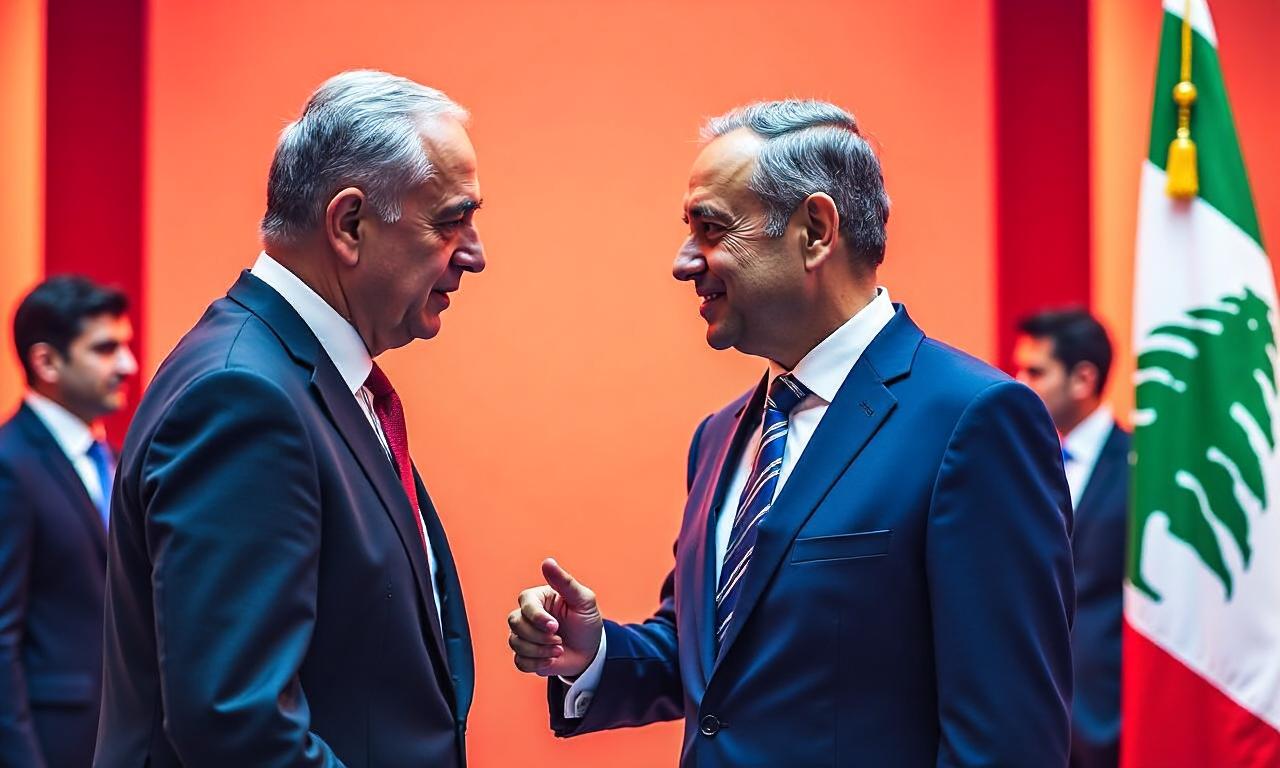
Samael.lol – Following a 30-year hiatus, Lebanon and Israel engaged in their initial direct diplomatic dialogue, seeking to halt hostilities between the Israeli military and the Iran-backed Hezbollah movement. While no immediate results emerged from the meeting, U.S. Secretary of State Marco Rubio highlighted its significance as a “historic opportunity” to diminish Hezbollah’s regional impact. The two nations remain without formal diplomatic ties, with their last high-level discussion occurring in 1993.
Conflict Casualties and Displacement
The ongoing fighting, which commenced on March 2nd, has claimed over 2,000 lives and displaced approximately a million people since the latest military actions began in Lebanon. Israeli operations, targeting Hezbollah, are intended to neutralize the group’s military capabilities, a strategy also employed in 2023 and 2024 amid the Gaza war.
Lebanese Goals and Government Challenges
Lebanese officials anticipate the talks will lead to a ceasefire and Hezbollah’s disarmament, aiming to prevent a prolonged Israeli occupation of southern Lebanon. President Joseph Aoun emphasized the need for the Lebanese armed forces to “redeploy up to the internationally recognised border,” taking full responsibility for the area’s security without external collaboration. However, the government’s ability to counter Hezbollah remains constrained, as the group holds significant political power within the country.
“This is more than just one day. This will take time, but we believe it is worth this endeavor,” Rubio stated before the meeting. “It’s a historic gathering that we hope to build on.”
Hezbollah’s Stance and Resilience
Hezbollah, a well-equipped militia established in 1982, exerts considerable influence in Lebanon’s Shia-majority south and Beirut’s southern suburbs. Its politicians occupy two cabinet-level posts in the government. The group’s ties to Lebanon’s central authority have deteriorated since it joined the Israel-Iran conflict, which it views as a key benefactor. A senior Hezbollah figure, Wafiq Safa, dismissed any Washington-brokered settlements, asserting, “As for the outcomes of this negotiation between Israel and the Israeli enemy, we are not interested in or concerned with them at all. We are not bound by what they agreed to.”
U.S.-Iran Talks and Regional Dynamics
During parallel discussions in Pakistan, Iranian negotiators pushed for Lebanon’s inclusion in a potential ceasefire, though both the U.S. and Israel opposed this. A U.S. State Department official clarified that the Israel-Lebanon talks were arranged prior to the confirmation of the U.S.-Iran talks in Islamabad. “Iran dragged the Lebanese people into a war so cannot pretend to be Lebanon’s protector,” the official noted, adding, “Iran will not be allowed to dictate the future of Lebanon any more.”
On the day of the talks, Hezbollah launched at least 24 attacks on Israel and Israeli troops in Lebanon, with drone and rocket threats reported across northern Israel. The group’s persistence underscores the complexity of the regional conflict, as both sides seek to balance military objectives with political aspirations.