US Treasury secretary tells BBC ‘bit of pain’ worth long-term security
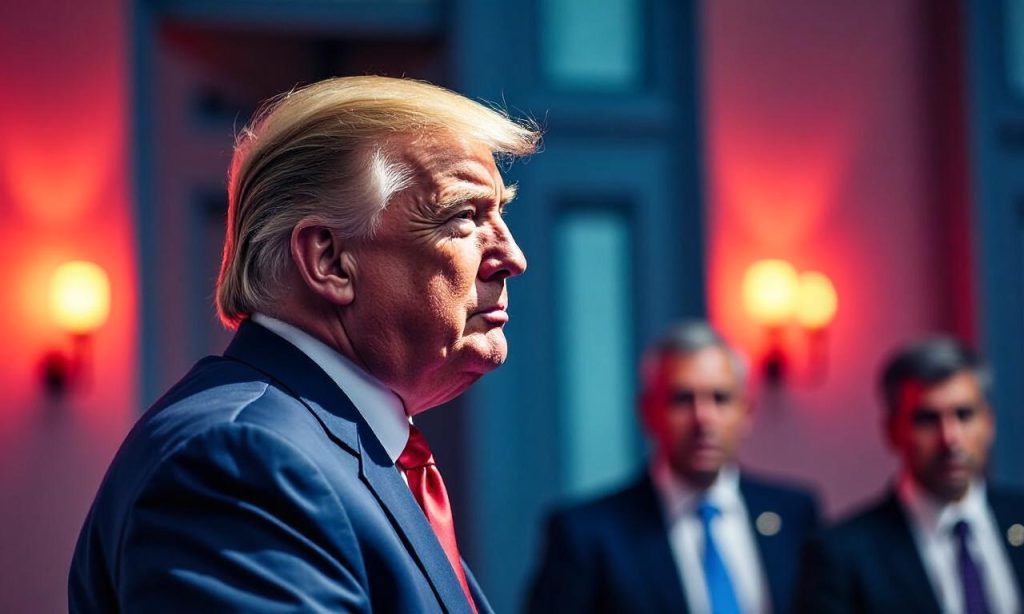
US Treasury Secretary Claims Economic Sacrifices Essential for Long-Term Security
The International Monetary Fund (IMF) warned that the US-Israel conflict with Iran could trigger a global economic downturn, yet US Treasury Secretary Scott Bessent argued that short-term economic costs are acceptable to secure long-term stability. During a BBC interview, Bessent acknowledged the “small bit of economic pain” but insisted it was necessary to neutralize the threat of Iranian nuclear attacks on Western cities.
“I wonder what the hit to global GDP would be if a nuclear weapon hit London… I am saying that I am less concerned about short-term forecasts, for long-term security,” he stated.
Iran has consistently maintained its nuclear program is peaceful, while the UK government clarified there was “no assessment” Iran aimed to strike Europe. Bessent, however, emphasized the risk posed by Iran’s missile capabilities, citing recent attacks on the US base at Diego Garcia as proof of its potential to target London with mid-range ballistic missiles.
According to the IMF’s World Economic Outlook, a worst-case scenario involving surging oil, gas, and food prices could reduce global growth to under 2% in 2026. This would bring the world to the brink of a recession, a rare event since 1980, with the most recent occurrence during the Covid pandemic.
Global Economic Impact and Recovery Projections
Energy prices surged after the Iran conflict began, with the Strait of Hormuz closure and stalled peace talks disrupting supply chains. The IMF noted that prolonged conflict could mirror the 1970s oil crisis, but added that current global reliance on oil is less than before, mitigating consumer effects.
“A prolonged conflict would lead to spiralling inflation, rising unemployment, and food insecurity in some countries,” said IMF chief economist Pierre-Olivier Gourinchas.
Despite the economic strain, the IMF projected global growth would ease to 3.1% in 2026 if the conflict resolved swiftly and Middle Eastern energy production normalized by mid-year. This is slightly below earlier forecasts of 3.3%, but the 2027 outlook remains unchanged at 3.2%.
The UK is expected to face the steepest decline among advanced economies, with growth forecasts cut to 0.8% this year from 1.3%. However, the country is projected to rebound with 1.3% expansion next year. Meanwhile, Gulf oil-exporting nations may experience sharp growth slowdowns or contractions this year.
Iran’s Economic Outlook
The IMF also forecasted a 6.1% contraction in Iran’s economy this year, but a recovery of 3.2% is possible in 2027 if the war ends shortly. The US, under President Donald Trump, has since announced a blockade of Iranian ports to further pressure the nation’s economy.