Pakistan under pressure to host successful US-Iran talks
Samael.lol – Pakistan faces significant pressure to act as a mediator in ongoing US-Iran tensions, as the potential for an extended regional conflict looms large. The country’s economic stability and security are at risk if hostilities persist, prompting Islamabad to intensify diplomatic efforts to broker peace between the two adversaries.
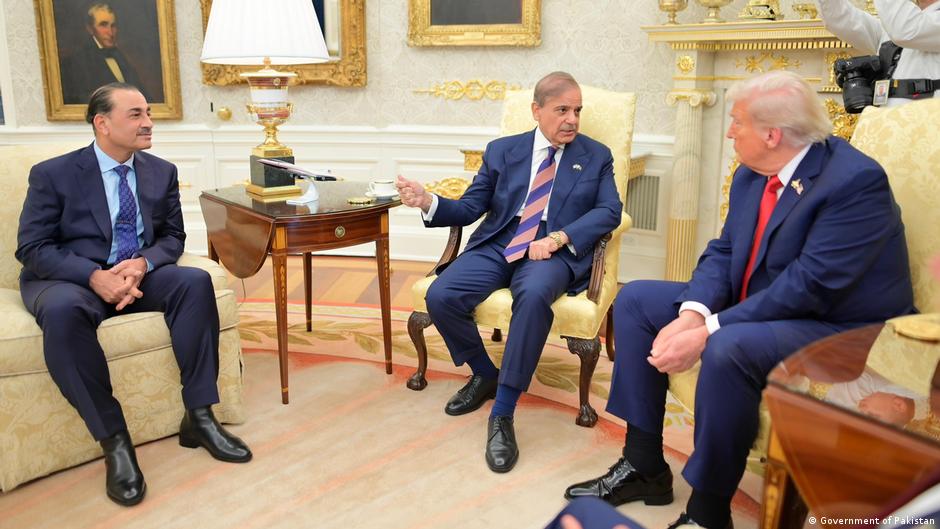
With strategic ties to both Tehran and Washington, Pakistan aims to position itself as a vital intermediary in the US-Israel rivalry with Iran. High-level discussions with Turkey, Egypt, and Saudi Arabia were held over the weekend to prepare for potential negotiations. Pakistani Foreign Minister Ishaq Dar emphasized the nation’s readiness to facilitate talks, expressing pride in the mutual trust between the US and Iran.
“Pakistan will be honored to host and facilitate meaningful talks between the two sides in the coming days,” Dar stated. He also noted the confidence both nations have in Pakistan’s ability to mediate, though he offered no further specifics.
The US and Iran remain divided on whether direct dialogue is underway. While Trump has hinted at progress, Iran’s Foreign Ministry spokesperson Esmaeil Baghaei denied any direct negotiations. Meanwhile, Iran’s parliament speaker, Mohammad Bagher Qalibaf, criticized the talks as a “cover” for an invasion, even as 2,500 US Marines deployed to the Middle East.
Raza Rumi, a US-based Pakistani analyst, explained that Islamabad is seeking to reassert its diplomatic influence by acting as a bridge between Washington, Tehran, and Gulf states. “The US–Iran conflict directly threatens Pakistan’s economic stability, given its reliance on Gulf energy flows and remittances,” Rumi added.
Pakistan’s delicate balancing act involves its defense agreement with Saudi Arabia and its cultural and geographical links to Iran. Mediation offers a way to present the country as a stabilizing force while shielding it from the fallout of a wider war. “Success could insulate Pakistan from the spillover effects of escalating tensions,” Rumi noted.
Amid these challenges, Pakistan also contends with internal conflicts, including disputes with the Taliban in Afghanistan and militant threats from separatists in Balochistan. Fatemeh Aman, an Iran-Pakistan expert, highlighted the urgency of resolving the standoff. “Instability in Iran directly impacts Pakistan — from Balochistan’s security to energy access and domestic stability,” she said.
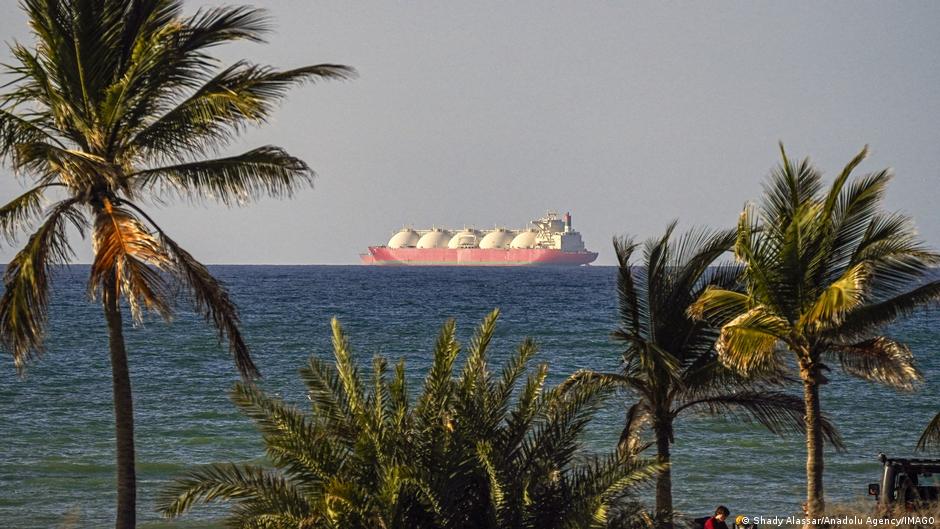
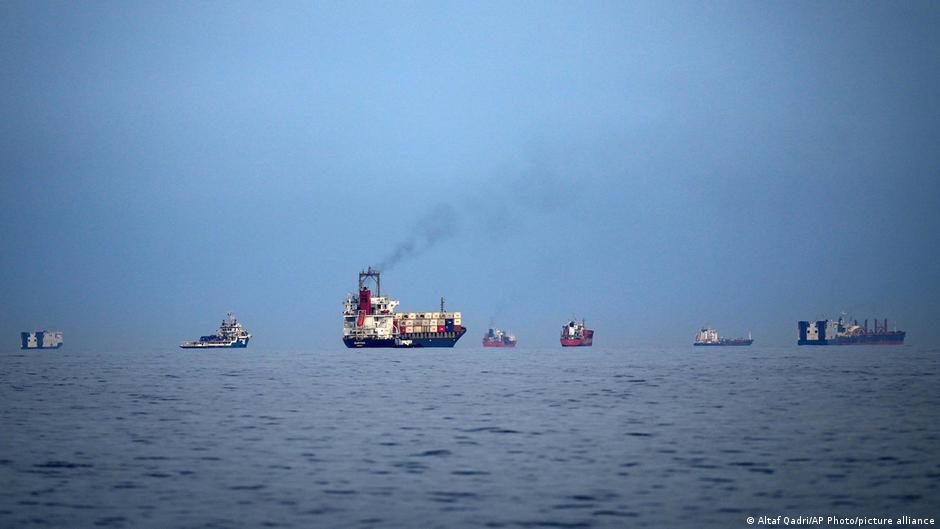
If the talks falter, a prolonged war could severely disrupt energy supplies through the Strait of Hormuz, worsening Pakistan’s fragile economic condition. “Failure would expose Pakistan to immediate economic and security shocks,” Aman warned. Energy shortages and regional unrest could drive inflation, strain finances, and increase refugee flows along the western border with Iran.