Germany News: Merz and Syrian President Discuss Refugee Repatriation
Refugee Returns and Economic Concerns
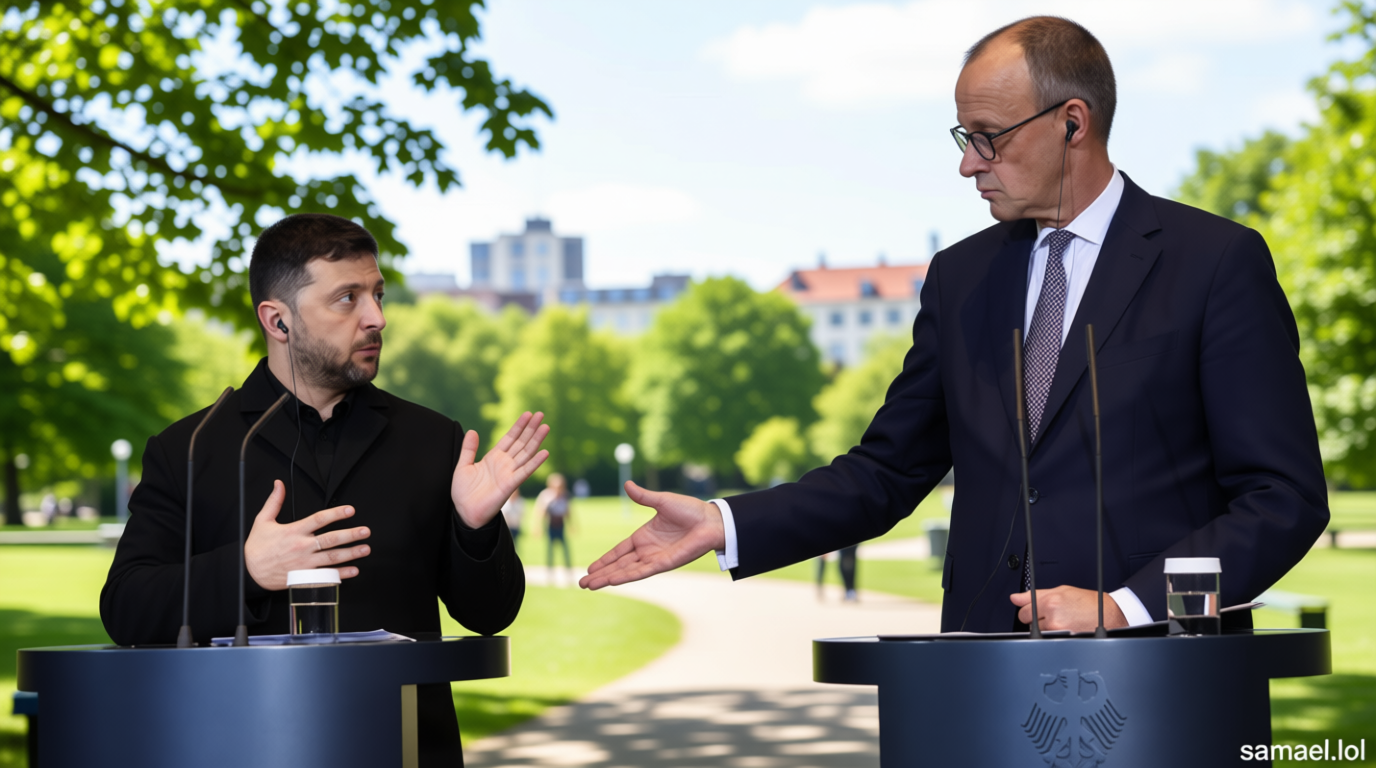
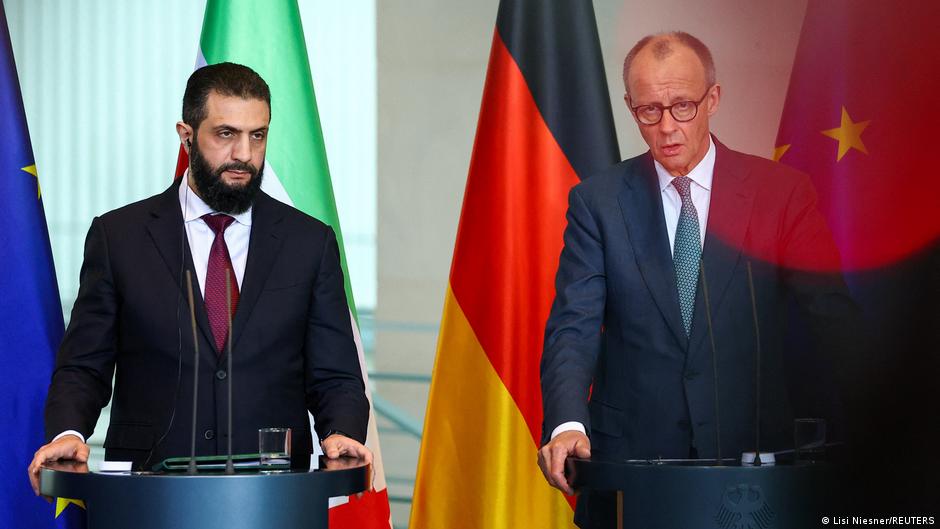
Samael.lol – As Syrian interim President Ahmad al-Sharaa concluded his visit to Berlin, German Chancellor Friedrich Merz outlined plans for the return of most Syrian refugees. He stated that roughly 80% of the over 900,000 Syrians living in Germany are anticipated to go back to their country within three years. The chancellor emphasized that the focus would be on individuals who misuse the hospitality provided or violate local laws.
Merz highlighted that conditions in Syria have improved significantly since the war, prompting a reevaluation of protection needs. He also mentioned that those without legal permission to stay will be required to depart. Returning Syrians, particularly those who have acquired skills abroad, could aid in rebuilding their homeland, he added.
“Those Syrians who wish to remain in Germany and are well integrated will be able to stay,” Merz said after talks with al-Sharaa.
Al-Sharaa, who previously led the Islamist group HTS and helped overthrow Bashar Assad in late 2024, is now seeking stronger Western alliances. He proposed a “circular” migration model that would allow Syrians to support their country’s reconstruction while maintaining their stability in Germany.
Spies and Russian Espionage Threats
German prosecutors recently detained a Ukrainian national, Vitalii M., accused of passing information to Russian intelligence. The suspect allegedly monitored a German man involved in combat for Ukraine’s armed forces. This arrest follows similar cases in Spain, where two individuals were also detained on similar charges.
German intelligence agencies have raised alarms about Russia’s growing espionage activities. They warn that the nation is recruiting untrained “disposable agents” to carry out sabotage, disinformation, and acts like arson or drone surveillance of critical sites. These agents are motivated by small financial incentives.
Inflation Data and Economic Trends
Germany’s inflation rate in March 2026 was reported at 2.7%, according to the consumer price index. Prices rose 1.1% from February, while core inflation, excluding food and energy, stood at 2.5%. Energy costs increased 7.2% year-on-year, the first rise in this category since December 2023.
Consumers can use an online tool to calculate their personal inflation rate, factoring in individual spending habits. The harmonized inflation index, which applies across the eurozone, employs a slightly different method and weighting than the consumer price index.
Political Reactions to Al-Sharaa’s Visit
Al-Sharaa’s Berlin visit sparked criticism from some observers and NGOs. Center-left Social Democrat Hakan Demir joined calls for caution, stressing the importance of dialogue despite concerns over the interim leader’s past ties to the HTS militia. The visit underscores evolving German policies on refugee repatriation and regional stability, even amid accusations of human rights issues.
German officials are set to travel to Syria soon to strengthen collaboration. A joint taskforce, including departments for interior, development, and chancellery, will soon begin coordinating efforts to facilitate the return process.