EU seeks new strategy amid Sahel ‘influence’ rivalries
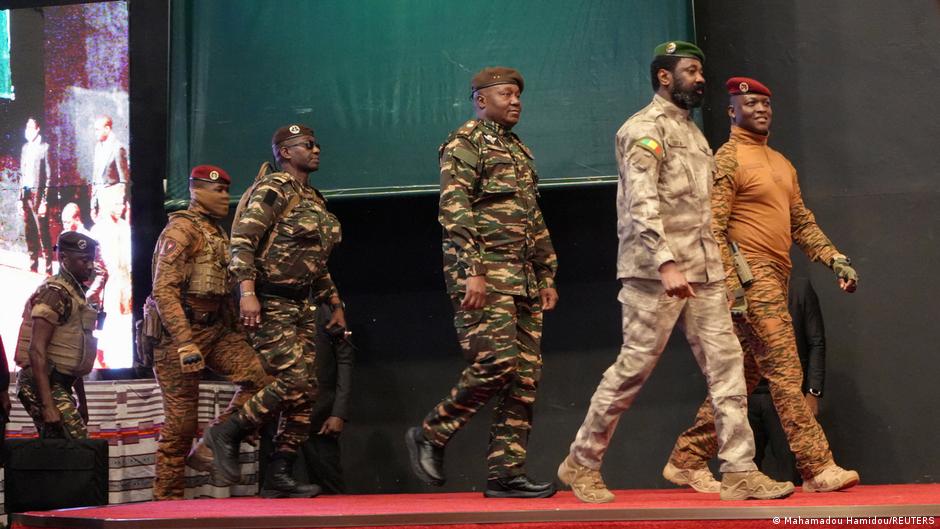
Samael.lol – After military takeovers in Mali, Niger, and Burkina Faso during 2022-2023, the ruling juntas have increasingly aligned with Russia, China, and the U.S. In response, the European Union is pushing to deepen its engagement with West Africa, prioritizing security collaboration and economic progress to strengthen ties. This shift comes as foreign policy relationships in the region have faltered, with Europe gradually withdrawing its focus from the Sahel. Meanwhile, Russia, China, and the U.S., under Donald Trump, have expanded their presence and partnerships with the new regimes.
Study highlights challenges in Sahel stability
According to the report “European Sahel Policy: Back to Square One” by the German Institute for International and Security Affairs (SWP), the region remains plagued by jihadist violence and cross-border disputes. Despite heightened involvement from other global powers, stability has not improved. The study evaluates the Sahel’s current situation and explores the EU’s potential pathways forward. It argues that Europe must redefine its role in Africa, even with limited influence, to address ongoing conflicts and foster sustainable development.
“We are also supporting the different approach when it comes to the economy, because it’s important that we also deal with the root causes of instability, which are stemming from the economy,”
— Kaja Kallas, EU High Representative for Foreign Affairs and Security Policy and Vice-President of the European Commission, told DW. Kallas, who recently visited Ghana—a nation bordering Burkina Faso—announced a security pact with the Ghanaian government. The agreement includes the provision of defense equipment like motorcycles, vehicles, drones, and anti-drone systems. It is part of an EU initiative launched in 2023, funded with €50 million.
While military support is a key component, Kallas stressed that the EU’s approach extends beyond arms. “We are interested in balanced partnerships,” she said, emphasizing the importance of equitable collaboration in energy and critical resources. “Africans should benefit from these partnerships, with technologies provided and jobs created locally.” Though she did not name the U.S., China, or Russia explicitly, her remarks underscore the EU’s intent to differentiate itself from those powers.
Global Gateway Initiative targets Nigeria
As part of its Global Gateway Initiative, the EU has announced an investment package for Nigeria, which borders Niger. The €290 million allocation aims to boost fiber-optic infrastructure, local pharmaceutical production, agricultural growth, and migration programs. Kallas noted that the EU’s strategy contrasts with the transactionalism of the Trump administration, which focused on exchange-based agreements. “Our goal is to help African neighbors because their challenges are interconnected with Europe’s future,” she explained.
“We have not been the ‘transactionalists,'”
— Kallas emphasized. She highlighted the EU’s commitment to long-term partnerships, ensuring that African nations remain central to the process. Laessing, director of the Sahel Program at the Konrad Adenauer Foundation (KAS), a German conservative-affiliated group, added that the EU’s role must be critical. “Two major migration corridors originate from sub-Saharan Africa through Sahel nations: one from Mali via Mauritania to the Canary Islands, and another from Niger through Libya to Italy,” he said. “That’s why we can’t afford to do nothing here.”
Laessing pointed out that France once dominated the Sahel region, with the rest of the EU following its lead. “Now, French influence is waning,” he told DW. “The EU must adapt its strategy to address the complex dynamics shaping the area.” This underscores the need for a more integrated and proactive approach to securing the region’s future.