Israel, Lebanon Agree to 10-Day Ceasefire, Trump Announces
Samael.lol – Following discussions with Lebanese President Joseph Aoun and Israeli Prime Minister Benjamin Netanyahu, US President Donald Trump announced a 10-day ceasefire agreement between Israel and Lebanon. The deal, which he highlighted on his Truth Social platform, marks a significant step toward resolving tensions in the region. “I just had excellent conversations with the highly respected President Joseph Aoun and Prime Minister Bibi Netanyahu,” Trump wrote. “These two leaders have agreed to formally begin a 10-day ceasefire at 5 P.M. EST to achieve peace between their nations.”
Deal Teased by Israeli Security Sources
News of the ceasefire emerged after Israeli intelligence officials hinted at ongoing negotiations. Multiple US news outlets had previously reported that a truce was in the works. However, the Iranian-backed Hezbollah group has not yet responded to the announcement, maintaining its stance amid continued hostilities with Israel.
International Responses to Ceasefire
India’s Prime Minister Narendra Modi emphasized regional cooperation in a late Thursday post, stating that he had spoken with French President Emmanuel Macron. “We discussed the situation in West Asia and agreed on the need to restore safety and freedom of navigation in the Strait of Hormuz,” Modi noted. The leaders pledged to strengthen collaboration for peace and stability. Meanwhile, Pakistan’s military chief, Field Marshal Asim Munir, met with Iran’s Parliament Speaker Mohammad Bagher Ghalibaf, according to state media. The meeting, held in Tehran on April 16, 2026, aimed to reinvigorate peace talks between Washington and Tehran, following a weekend summit that yielded no progress.
“Field Marshal Asim Munir, Commander of the Pakistan Army, who travelled to our country yesterday, met and held talks with Mohammad Bagher Ghalibaf… this Thursday morning, April 16,” the report stated.
Hezbollah’s Criticism of Ceasefire
Hezbollah, a Iran-backed faction, dismissed Lebanon’s decision to engage in direct talks with Israel as a “grave error.” A lawmaker, Hussein Hajj Hassan, told AFP that the move represented “a grave sin and a grave error… and serves no interest for the country.” He urged Beirut to halt “this series of useless concessions” to both Israel and the United States.
“Direct negotiations with the enemy are a grave sin and a grave error… and serve no interest for the country,” Hajj Hassan said from his parliamentary office.
Lebanon’s Role in the Conflict
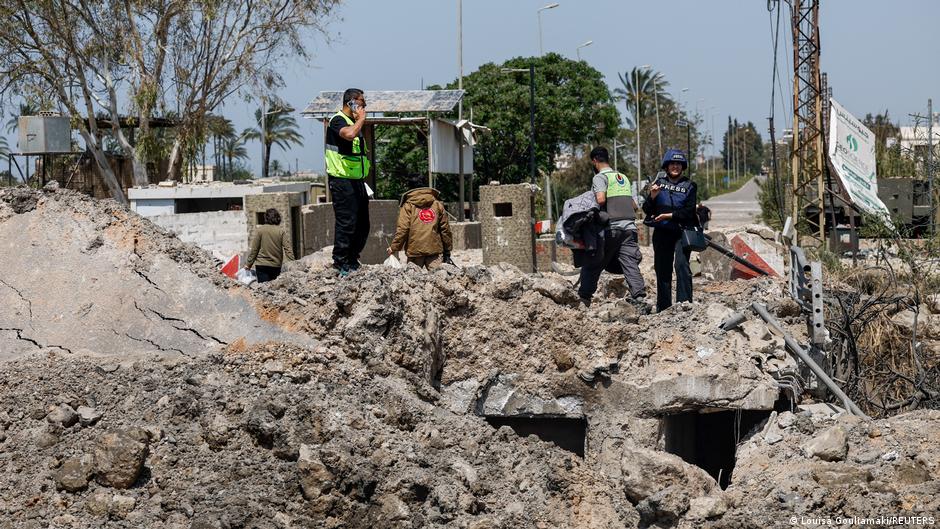
Lebanon was drawn into the Middle East crisis when Hezbollah launched rocket attacks on Israel shortly after the US-Israeli strikes against Iran. The Lebanese government, which remains neutral in the conflict, has long called for a ceasefire and the withdrawal of Israeli troops from southern Lebanon. Despite this, Aoun refused to engage in direct dialogue with Netanyahu, as confirmed by a government official. The missed conversation would have been the first direct exchange between the leaders in over three decades.
“You, Iran, can choose a prosperous future, a golden bridge, and we hope that,” US Defense Secretary Pete Hegseth stated during a Pentagon briefing, warning that attacks on infrastructure, power, and energy could resume if Iran does not reach an agreement.