The immense cost of Iran’s nuclear program
The Immense Cost of Iran’s Nuclear Program
While Iran maintains its nuclear initiatives serve civilian purposes like energy production, financial data reveals a different narrative. The nation’s pursuit of nuclear capabilities has long been a focal point of international disputes, complicating efforts to establish diplomatic ties with Western countries. This year, the collapse of peace talks in Islamabad highlighted the enduring challenge posed by Iran’s nuclear program, with the U.S. insisting on a commitment to nuclear disarmament as a key condition.
High Costs and Economic Strain
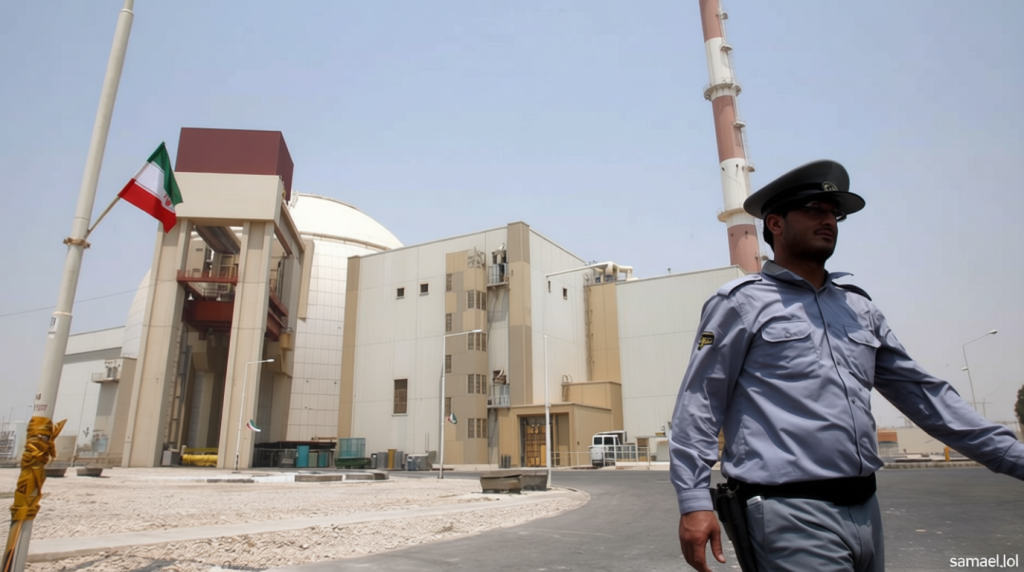
U.S. Vice President JD Vance emphasized that Washington demands Tehran pledge to avoid acquiring nuclear weapons. He argued that a deal under the Trump administration would enable Iran to “prosper and integrate into the global economy.” Yet, the financial burden of the program remains staggering. The Russia-built Bushehr power plant, operational since 2013, has a capacity of 1,000 megawatts but accounts for just 1% of Iran’s electricity supply, which heavily relies on fossil fuels.
“Iran possesses vast natural gas and oil reserves, allowing electricity generation at significantly lower costs than nuclear power,” said Umud Shokri, an energy strategist and senior visiting fellow at George Mason University. “In practice, its energy mix remains dominated by natural gas, while nuclear contributes only a minor share from the single functioning Bushehr reactor.”
Iran’s goal of expanding nuclear electricity capacity to 20 gigawatts by 2041 underscores its ambitious energy strategy. However, the project’s high costs raise questions about its economic viability. Construction of Bushehr took over two decades, with final expenses reaching approximately $5 billion—five times the initial budget. Some estimates suggest the total cost could be as high as tenfold the original projection, even before factoring in sanctions.
Experts highlight that Iran’s reliance on domestic uranium enrichment adds to the financial strain. For civilian energy, uranium only needs to be enriched to 3%-5%, but Iran has accumulated stockpiles enriched to 60%. This level of enrichment is closer to weapons-grade material, fueling skepticism about the program’s true intent. “The cost structure of Iran’s nuclear program diverges sharply from typical civilian projects,” Shokri noted. “Bushehr-1’s delays and cost overruns make it unusually expensive per kilowatt.”
Compounding the issue, Iran’s investment in enrichment infrastructure, despite limited uranium resources and access to imported fuel, lacks clear economic justification. The program’s emphasis on domestic production has also driven sanctions, resulting in cumulative economic losses exceeding two to three trillion dollars. While the stated objective is energy security, the financial implications suggest a broader strategic calculus at play.
Peace negotiations in Islamabad between the US and Iran collapsed without reaching a deal, underscoring the program’s role as a central obstacle to normalization. Over two decades, Iran’s nuclear ambitions have shaped regional conflicts, including US-Israeli bombing campaigns this year and those in the 2025 summer. The economic rationale for these efforts remains contentious, with critics arguing the benefits are minimal compared to the investment required.