Is this the beginning of the end for LIV Golf?
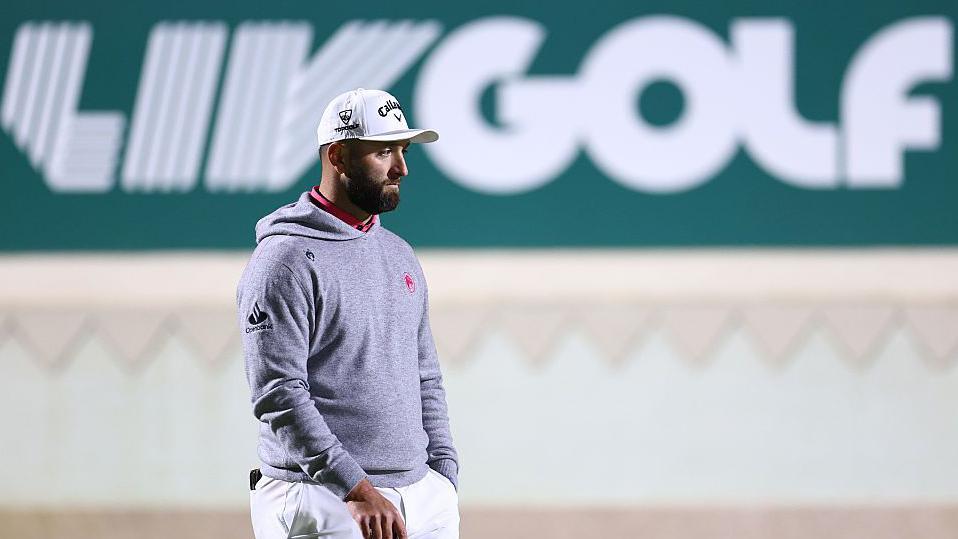
Is this the beginning of the end for LIV Golf?
A New Chapter in Golf’s Financial Landscape
In 2023, Jon Rahm’s move to LIV Golf marked a pivotal shift for the sport. The breakaway tour aimed to transform the industry with its unconventional 54-hole format, but its success has been questioned as speculation about its future mounts. With over four years of operation, LIV Golf’s initial boldness has faced challenges, particularly as the Saudi Arabia-backed venture appears to lose its financial momentum.
The Rise and Uncertain Future
LIV Golf’s launch was designed to disrupt the traditional golf landscape, offering star players lucrative deals and a fresh approach to competition. However, the dream of a revolutionary shift has dimmed, as the tour now contends with mounting losses and questions over its sustainability. The Public Investment Fund (PIF) has been central to its funding, contributing more than £5bn since the venture began.
Recent reports suggest that the PIF may be withdrawing its support, casting doubt on the tour’s long-term viability. European golf insiders have shared concerns that LIV could cease operations by 2026, signaling a potential end to its ambitious vision. Despite claims of stability, the financial strain is evident, with the tour reporting losses in international markets that have exceeded $1.1bn since 2021.
“Our season continues exactly as planned, uninterrupted and at full throttle,” wrote LIV’s CEO Scott O’Neil in a recent email to staff.
O’Neil’s statement emphasized confidence in the 2026 season, yet internal assessments hint at deeper uncertainty. While some believe the tour can pivot to profitability, others argue that the absence of PIF funding could lead to a swift collapse. The 2024 financial figures, showing a $462m loss in non-US markets, highlight the precarious position of the venture.
Financial Gains and Persistent Challenges
Despite the losses, LIV has seen revenue growth across several areas. Sponsorship deals with global brands rose by 40%, and ticket sales surged by 130%. Other streams like hospitality, merchandise, and YouTube content also showed improvements. However, these gains remain modest compared to the massive investment required to sustain the tour.
At the LIV Adelaide event, Cameron Smith emerged as a standout performer, drawing a record crowd of 115,000 fans. This success, however, does not mask the broader financial struggles. LIV executives have expressed optimism about building 13 billion-dollar franchises, but progress has been slower than anticipated.
“Our goal is to build 13 billion-dollar franchises,” said Katie O’Reilly, LIV’s executive vice-president of team business operations.
The path to recovery or collapse for LIV Golf remains unclear. If the tour folds, top athletes like Rahm may return to the PGA Tour or DP World Tour, often with financial incentives to do so. The question now is whether the initial wave of excitement can be sustained, or if the venture will ultimately fade without continued support from its Gulf-based backers.