Gaza’s Conflict Lingers Amid Iranian War and Ceasefire Stalemate
Samael.lol – As the Iranian conflict intensifies, the Gaza situation has receded from global spotlight. Despite a six-month truce, diplomatic efforts to solidify peace have stalled. Talks between Hamas and Israel, aimed at stabilizing the ceasefire, have persisted for months but show minimal advancement. Last Sunday, a Hamas delegation left for Cairo to discuss the next stage with Egyptian mediators, focusing on unresolved matters from the initial phase of the agreement. The question of whether a lasting peace can be achieved remains uncertain.
The Path to Ceasefire: Unfinished Business
Hamas, a militant Islamist group designated as a terrorist entity by Germany, the EU, the US, and others, ignited the Gaza war with attacks on Israel on October 7, 2023. A fragile truce was declared on October 10, 2025, but has repeatedly faced disruptions from isolated strikes. “Six months into the ceasefire, civilians in Gaza remain trapped amid attacks on civilians, restricted aid, and an uncertain political process that is now shaping whether recovery will begin or collapse,” stated the Norwegian Refugee Council on April 10.
A Diplomatic Deadlock
The US-backed Board of Peace, launched with ambitious goals in January, has had limited success. While frameworks and funding pledges have been set, much of the promised aid has yet to materialize, according to media accounts. “Everything seems to be going round and round in circles,” remarked Peter Lintl, an Israel and Middle East analyst at the SWP in Berlin. The core disputes — Hamas’s disarmament, Gaza’s governance, and Israel’s military pullout — remain unaddressed. “There is a lack of functional mechanisms to enforce any agreements,” Lintl added, highlighting the fragility of the process.
Political and Humanitarian Pressures
Simon Wolfgang Fuchs, an expert in Islamic and Middle Eastern studies, echoed the sentiment. “The talks are not making progress, and deadlines have repeatedly passed,” he noted. The stalemate is marked by growing mistrust rather than reconciliation. The difficulty extends beyond logistical hurdles, as fundamental disagreements persist. For instance, the parties clash over whether Hamas must be disarmed first or if Israel should withdraw its forces first. “For Israel, the order is clear: disarmament first, then withdrawal,” Fuchs explained, contrasting it with Hamas’s stance.
Humanitarian Crisis Intensifies
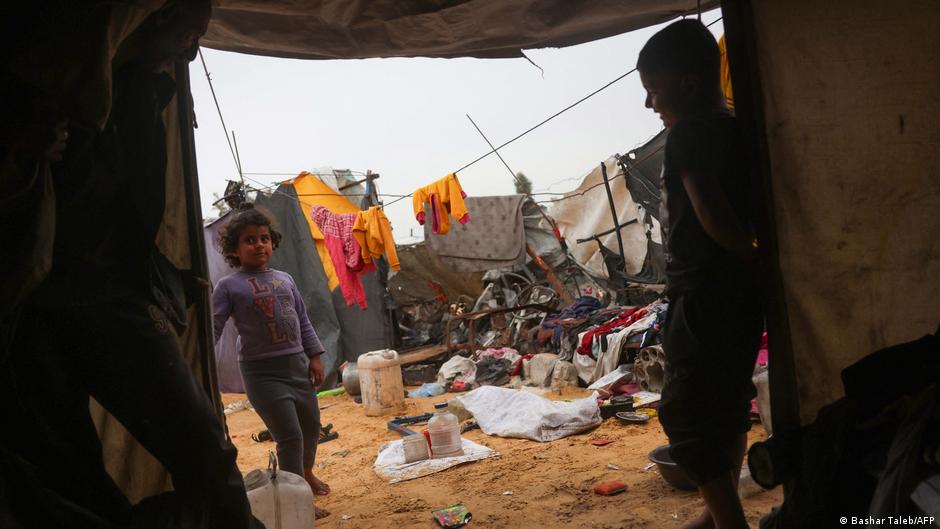
The humanitarian situation in Gaza has worsened, with civilians enduring supply shortages, soaring prices, and damaged infrastructure. “The situation is a downward spiral,” Fuchs told DW. Even when aid arrives, uncertainty looms large, as memories of the 2025 famine and previous shortages linger. “These experiences reinforce the feeling of constant threat,” he emphasized. Meanwhile, the political climate in Gaza remains volatile, with criticism of Hamas harshly suppressed. Recent Israeli strikes on Hamas leaders have further deepened the crisis, leaving civilians repeatedly exposed to crossfire.
The Road Ahead
Future outcomes depend on resolving these entrenched positions. Hamas continues to govern parts of Gaza, maintaining authority despite two years of Israeli military operations that killed approximately 72,000 Palestinians. The unresolved tensions between the groups, combined with the humanitarian toll, underscore the precarious balance between conflict and peace in the region. As the situation unfolds, the international community watches, hoping for a breakthrough that could redefine Gaza’s fate.