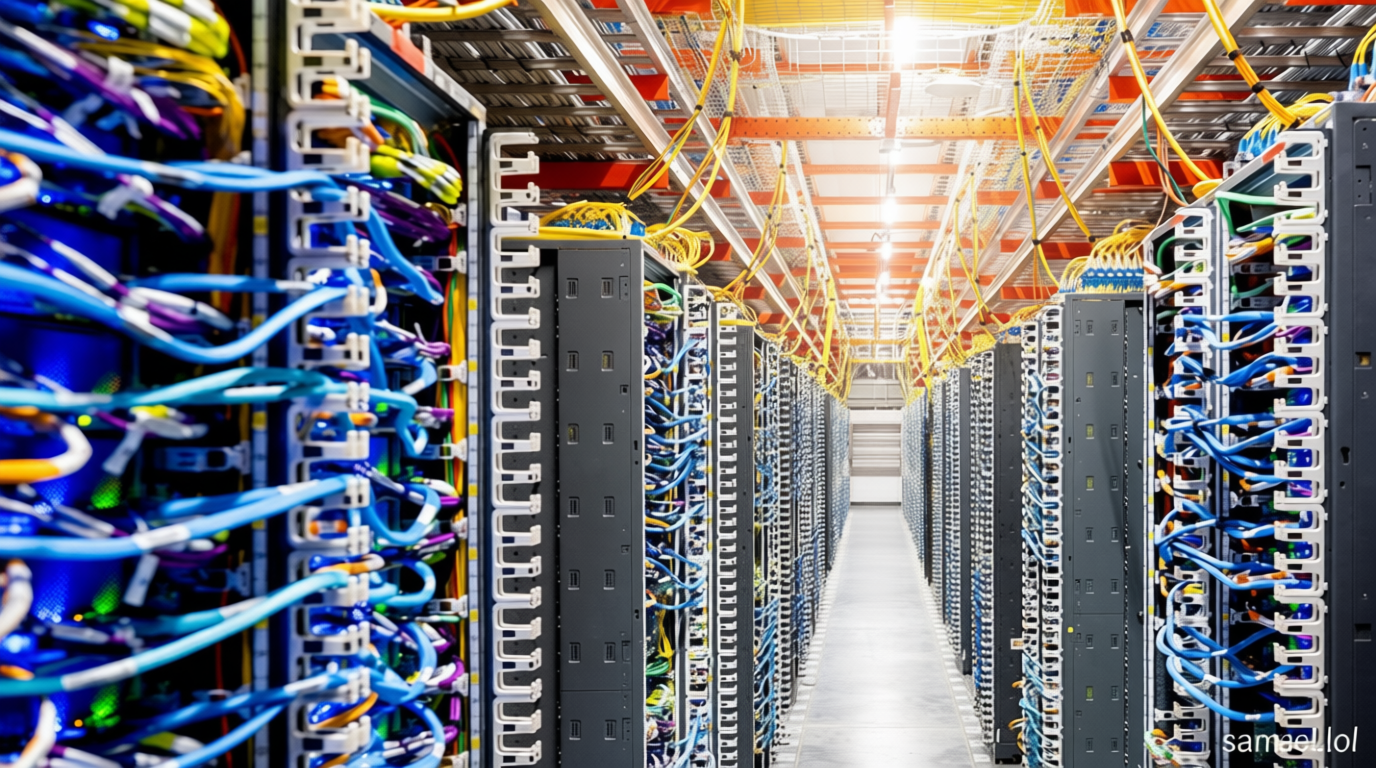
Why the Cloud Still Relies on Coal and Gas
Samael.lol – Despite the rise of renewable energy, data centers continue to depend heavily on fossil fuels like coal and gas. The sector’s expanding energy needs are outpacing the growth of cleaner alternatives, forcing grid operators to pivot toward traditional power sources. In the U.S., where data centers outnumber those in any other country, this reliance is creating pressure on transmission systems and increasing electricity costs.
As demand for data processing surges, some power providers are delaying their renewable goals. For instance, Dominion Energy, based in Virginia, has scaled back its commitment to 100% renewables by 2045, instead focusing on gas and nuclear power until 2039. Similarly, NV Energy in Nevada warned that data centers could hinder the state’s aim to achieve 50% renewable generation by 2030. NextEra Energy in North Carolina also revised its timeline, stating zero-carbon targets by 2045 now seem unattainable.
The challenge stems from the unique energy demands of data centers. AI-driven facilities, in particular, consume as much electricity as 100,000 homes currently. Upcoming projects may require 20 times that amount, making future projections difficult. Dave Jones of Ember, a global energy think tank, noted that companies often prioritize gas for its affordability and reliability. “Gas remains the quickest, cheapest, and easiest option for meeting peak demand,” he explained, adding that some centers are also exploring on-site power solutions.
“It is clear today, nationally, that electricity demand is outstripping supply — the market reflects this, and generators are responding. We need every single megawatt of energy we can get right now.”
PJM Interconnection, covering 13 eastern states including Virginia — dubbed the “data center capital of the world” — reported that 60% of its fossil fuel plants were delayed or canceled last year. Eleven of these were “peakers,” activated during high-demand periods. This trend highlights the tension between clean energy ambitions and the need for immediate power.
According to the International Energy Agency, natural gas accounts for over 40% of the additional electricity required by data centers in the U.S., while coal contributes 15%. Globally, these sources are expected to meet more than 40% of the extra demand until at least 2030. The agency warned that data center growth will likely drive significant expansion in gas and coal power plants.
Low natural gas prices, coupled with tariffs on imported solar panels, have slowed the adoption of renewables. Meanwhile, President Donald Trump’s policies have further fueled fossil fuel reliance. His administration has emphasized coal and nuclear energy, positioning them as critical for sustaining data center expansion and the AI race. “How are we going to reindustrialize America? How are we going to win the AI race on that trajectory?” a Department of Energy official questioned.