Sudan War Fuels Child Hunger Crisis
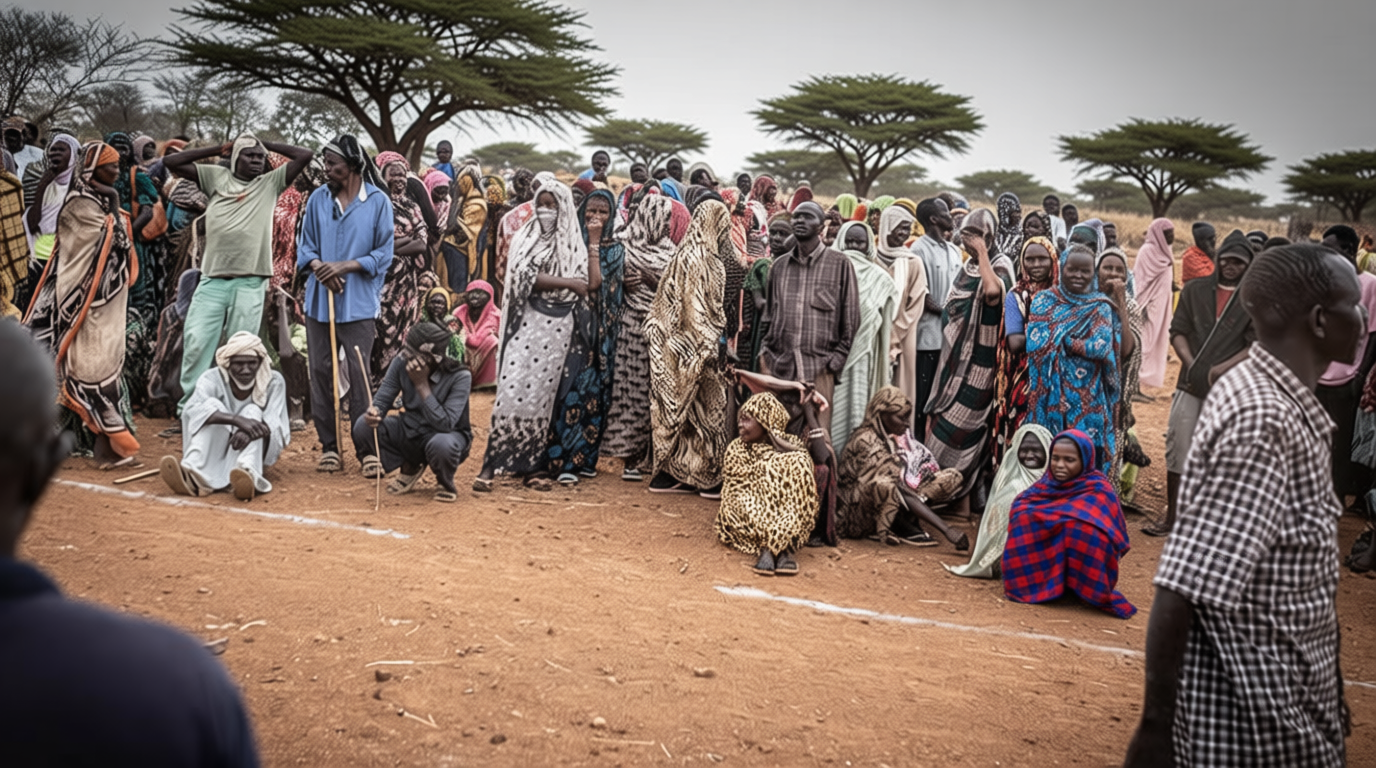
Samael.lol – As Sudan’s four-year conflict enters its fourth year, millions have been forced from their homes, pushing parts of the nation toward famine. Humanitarian groups are sounding alarms about escalating food shortages and dwindling financial support, with children emerging as the most vulnerable. “The situation for Sudan’s children is deteriorating rapidly,” Eva Hinds, spokesperson for the UN’s children’s agency (UNICEF), stated last week. She highlighted the grim reality as the civil war, ignited in April 2023 between the Rapid Support Forces (RSF) and Sudanese Armed Forces (SAF), expanded across the country. The World Health Organization reported that over 13 million people have been displaced, with cities left in ruins and daily life disrupted.
Children’s Lives Shaped by Violence
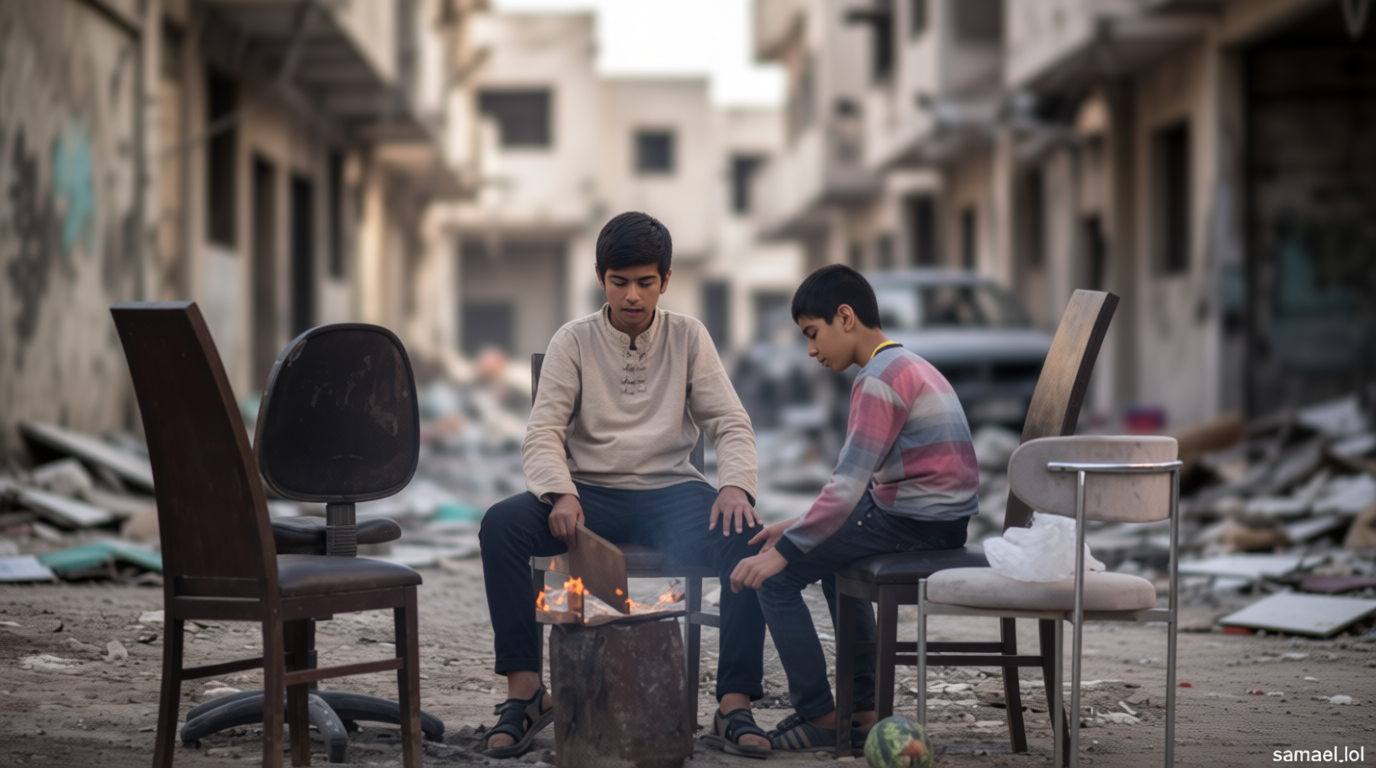
UNICEF data reveals that more than 4,300 children have been killed or injured since the war began, with Darfur and Kordofan states reporting the highest toll. Ashan Abeywardena, emergency response manager at War Child, emphasized the toll on minors. “Three years of conflict have shattered children’s lives,” he told DW. “They live in fear, with death and destruction constantly in the news.” Indiscriminate drone attacks, now a common weapon in the conflict, have caused many casualties. “Drones target homes, markets, roads, schools, and health centers—places that should be safe,” Hinds said, noting nearly 700 civilians were killed in strikes during the first three months of this year.
Both the RSF and SAF have used drones to destroy civilian infrastructure, aiming to hinder their opponents. This strategy has left hospitals, roads, and schools damaged or destroyed, intensifying the suffering of civilians. The consequences extend beyond Sudan’s borders, affecting East Africa. DW’s Kenya correspondent, Andrew Wasike, noted that the war is no longer confined to the country. “The conflict is now a regional challenge,” he said. “Neighbors face displacement, trade disruptions, and political strains, making it a shared crisis.”
Global Response in Berlin
Despite the crisis, Sudan has not remained a top global concern. Denise Brown, UN resident and humanitarian coordinator in Sudan, accused the international community of neglect. “Sudan is effectively abandoned,” she said, citing widespread atrocities like systematic sexual violence, sieges, and mass killings. She pointed to a deadly episode last year in el-Fasher, where thousands perished in days. “What is the world waiting for?” she asked, urging a unified global effort. In Berlin, Germany hosted a conference to secure funding for victims, raising €1.3 billion ($1.5 billion) following last year’s London donor event.
While the war’s scale is immense, aid efforts have lagged. The UN and organizations like War Child warn that without urgent action, the plight of children will worsen. “This isn’t just a Sudanese issue—it’s a regional and global one,” Wasike added, stressing the interconnected nature of the crisis.
To view this video, JavaScript must be enabled, and a browser supporting HTML5 video is required. This article has been adapted from an episode of DW’s AfricaLink podcast.