Iran War: Jet Fuel Crisis Deepens as Lufthansa Cuts Flights
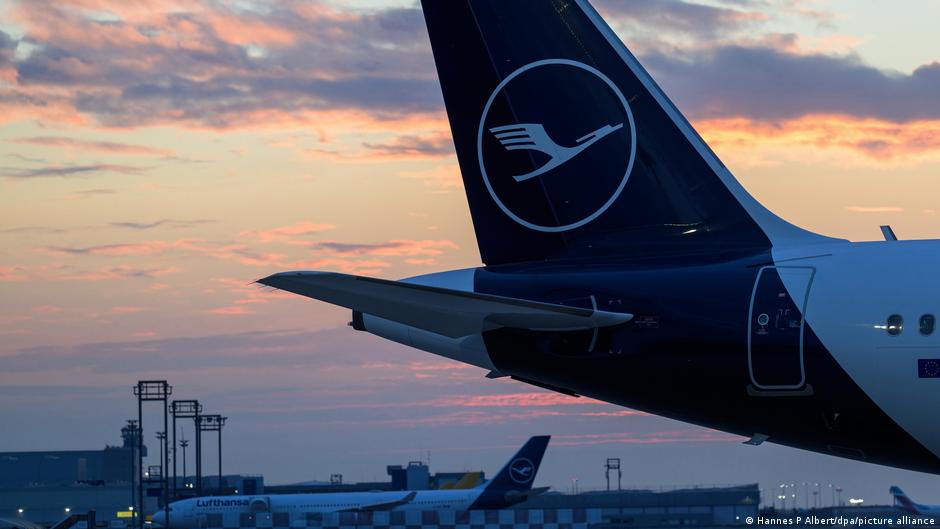
Samael.lol – The effects of the jet fuel shortage, triggered by the Strait of Hormuz closure, are intensifying. Germany’s largest airline, Lufthansa, has canceled 20,000 flights between May and October to conserve fuel. The company stated that short-haul routes being suspended would eliminate “approximately 40,000 metric tons of jet fuel, whose cost has doubled since the conflict began.” Other carriers, such as KLM, have also reduced schedules, with 160 flights canceled for the next month. Across Europe and the Asia-Pacific region, airlines are facing rising costs and the threat of widespread disruptions as summer travel approaches.
Supply Concerns and EU Response
Fatih Birol, head of the International Energy Agency, warned that Europe has only six weeks of jet fuel reserves remaining. EU Energy Commissioner Dan Jørgensen noted the crisis is shifting from price spikes to potential supply shortages. He highlighted that member states are already discussing the possibility of sharing fuel stocks to keep air services operational.
“The principle of solidarity is deemed important in contingency plans and in practice this will come down to fuel sharing between hubs and countries,” said Rico Luman, a senior transport economist at ING.
Despite these warnings, some experts remain skeptical. John Grant, aviation analyst at OAG, argued that the situation isn’t as urgent as feared, pointing to the availability of alternative routes for many canceled flights. Meanwhile, EU transport ministers convened on Tuesday to address the fuel shortage. Transport Commissioner Apostolos Tzitzikostas described a prolonged blockage of the Strait of Hormuz as “catastrophic” for both Europe and the global economy.
EU’s Energy and Transport Measures
On April 22, the European Commission will unveil a package of energy and transport strategies, including coordinated management of jet fuel reserves and potential redistribution among member states. Another proposal under review allows countries to import more fuel from the U.S. “In case this crisis continues, we are ready to intervene and make things more flexible for the airlines,” Tzitzikostas added.
The crisis has exposed airlines’ reliance on Middle Eastern kerosene imports, particularly in Europe. While the EU produces 60-70% of its jet fuel, 30-40% still flows through the Strait of Hormuz. The Dutch government estimates the bloc has enough reserves for at least five months, though this conflicts with the IEA’s six-week projection. The Netherlands, home to major crude oil refineries, plays a key role in supplying kerosene for European aviation.
Sustainable Aviation Fuel as a Solution?
A report from the International Air Transport Association (IATA) last November highlighted declining resilience in Europe’s jet fuel supply chain. The study noted growing dependence on imports and urged greater use of sustainable aviation fuel (SAF), derived from biomass sources like plants or waste. The EU’s ReFuelEU regulation, effective since 2024, requires gradual SAF adoption at airports, aiming for 6% by 2030 and 70% by 2050. However, SAF currently faces challenges of limited availability and higher production costs.
“There’s not many alternatives available for the aviation industry,” said Luman. “Shifting more to SAF as a substitute isn’t realistic given availability.”