Ukraine: Russian oil to Hungary, Slovakia has restarted
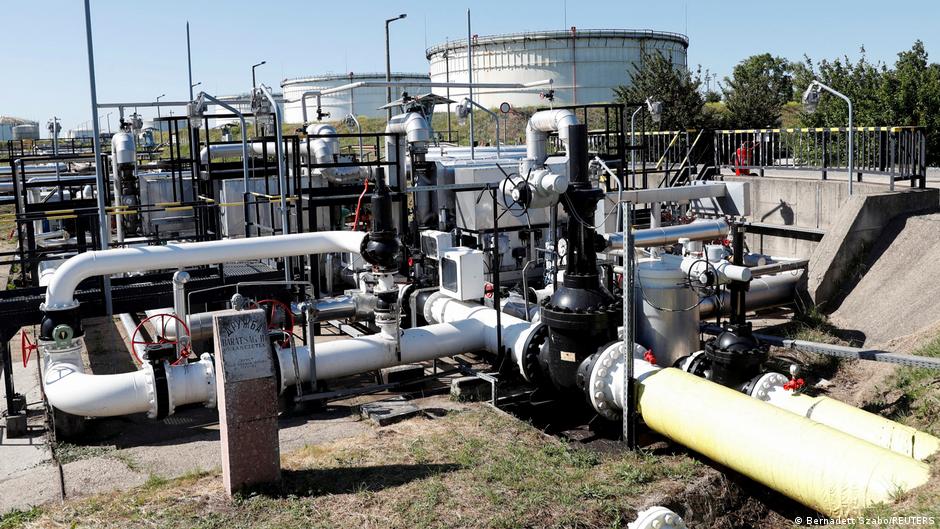
Ukraine: Russian Oil to Hungary, Slovakia Has Restarted
Ukrainian and Hungarian energy firms confirmed that Russian oil shipments through the Druzhba pipeline have resumed. The flow, which previously paused after a monthslong disruption, is expected to reach Hungary and Slovakia by Thursday. This marks a pivotal moment for the region, as the pipeline traverses Belarus and Ukraine before delivering to Central Europe.
Oil transit through the Druzhba pipeline, often referred to as the “friendship” pipeline, began again on Wednesday. The restart follows a January incident where Ukraine claimed a Russian drone strike damaged the infrastructure, necessitating repairs. The halt created significant strain between Kyiv and Budapest, Bratislava, which grew amid soaring energy prices driven by the war in Iran and broader Middle Eastern tensions.
“MOL expects the first crude oil shipments following the restart of the Ukrainian section of the pipeline system to arrive in Hungary and Slovakia by tomorrow at the latest,” stated Hungary’s oil group MOL. AFP reported that an unnamed Ukrainian energy source confirmed pumping had resumed shortly after midday local time.
The resumption of oil flows could unlock a critical €90 billion EU loan for Ukraine. Originally agreed in December, the funding was stalled by Hungary and Slovakia at the latest EU summit, as both nations argued that the pause in supplies threatened their energy security. Notably, these countries are exempt from EU sanctions targeting Russian oil deliveries since the invasion of Ukraine.
President Volodymyr Zelenskyy had previously hinted at the return of flows, stating that oil would soon resume. Slovak Economy Minister Denisa Sakova noted on Wednesday that the government in Bratislava anticipates the first Russian crude oil deliveries to reach Slovakia by Thursday.
Leaders Viktor Orban and Robert Fico had questioned Ukraine’s account of the January disruption, delaying the EU’s loan package. The €90 billion financial aid, essential for Kyiv’s war efforts, required unanimous approval from all EU members—a condition both leaders withheld until oil supplies stabilized.
EU diplomats convened on Wednesday to finalize the activation of the loan, which has been a lifeline for Ukraine amid escalating energy costs. The war in Iran has pushed oil prices to historic highs, benefiting Russia while straining Kyiv’s budget as it intensifies attacks on Russian energy infrastructure.
As the Druzhba pipeline reactivates, Hungary faces an impending government shift. Orban, who had maintained strong ties with Moscow, lost a decisive election to Peter Magyar earlier this month. The outcome of this change remains uncertain, though Orban has indicated he will not block the EU loan once oil deliveries restart.