
Germany unveils first ever military strategy for Bundeswehr
Germany Unveils First Ever Military Strategy for Bundeswehr
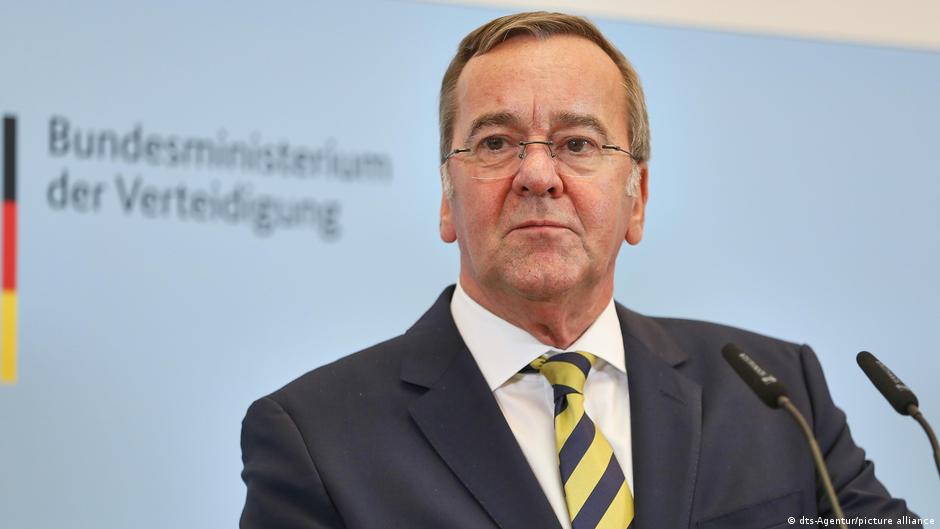
Germany marks a historic milestone by introducing its first official military strategy for the Bundeswehr. The document, which includes classified sections, outlines preparations for emerging global risks. Defense Minister Boris Pistorius highlighted the strategy’s significance during its Berlin launch, emphasizing the shifting geopolitical landscape. “Rarely has a military strategy been as necessary as it is in this historic period,” he stated, noting the increased volatility of international affairs since Russia’s invasion of Ukraine.
Threat Assessment and Strategic Focus
The strategy identifies Russia as the most pressing danger to Germany and transatlantic security. It claims the country is “laying the groundwork for a military attack on NATO member states.” While the full analysis remains confidential, the document explores responses to potential conflicts, such as a Russian incursion into NATO territory. Pistorius joked about the sensitivity of the information: “We cannot make these scenarios public. Otherwise, we might as well add Vladimir Putin to our mailing list.”
Expansion Goals and Personnel Challenges
The strategy reaffirms the Bundeswehr’s ambition to grow its ranks to 460,000 by the mid-2030s, with 200,000 in reserve. This aligns with NATO’s heightened defense demands. However, recruiting enough personnel remains a critical hurdle. Pistorius acknowledged this at a November conference, stating that Germany’s suspension of conscription in 2011 has made voluntary enlistment the priority. Despite gradual progress, the force saw a 3,300-member increase by March 2025, reaching 185,400 active-duty soldiers.
Policy Documents and Modernization Efforts
Alongside the strategy, Pistorius unveiled supporting frameworks. A “capability profile” details essential assets for national defense and NATO deterrence. The “reserve strategy” aims to build a 200,000-strong reserve force by 2033, positioning them as a bridge between military and civilian sectors. Their roles will center on homeland security and logistics. Both documents are classified, reflecting their strategic importance.
Debureaucratization and Digital Innovation
The “plan for debureaucratization and modernization” targets inefficiencies in the Bundeswehr’s administrative processes. Current service members face complex regulations and paperwork. The ministry has identified 153 measures and 580 steps to streamline operations. Pistorius announced that all internal rules will have set expiration dates, with outdated policies automatically removed. A digital “Bundeswehr Wallet” will consolidate essential personal documents for each member, enabling real-time access.
Unlike static plans, the strategy is designed as a dynamic framework. Its components will evolve based on changing threats, ensuring adaptability in security planning. This approach underscores Germany’s commitment to a flexible and responsive defense posture in an uncertain world.