EU leaders discuss Iran, Ukraine at Cyprus summit
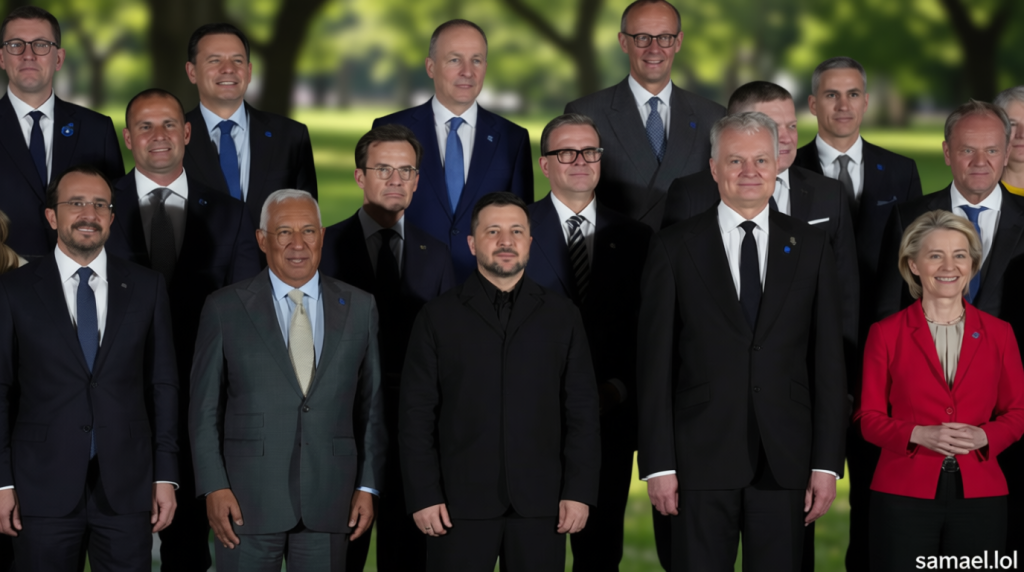
EU Leaders Discuss Iran, Ukraine at Cyprus Summit
Summit Begins with Ukraine Loan Approval
European Union leaders convened in Cyprus for a two-day summit, opening discussions with the unanimous backing of a significant financial aid package for Ukraine. The agreement also aims to tackle the EU budget and the repercussions of the Middle East conflict. Attending the talks were representatives from all 27 member states, focusing on geopolitical issues such as the ongoing wars in Ukraine and Iran.
On Thursday, the group approved a €90 billion ($105 billion) loan for Ukraine, which had been debated for some time. This decision comes alongside plans to impose additional sanctions on Russia. German Chancellor Friedrich Merz expressed gratitude for the “definitively approved” loan, stating it was a critical step for the bloc.
“For us it’s a very important decision and I’m very thankful to all the leaders for their unanimity,” said Ukrainian President Volodymyr Zelenskyy. “It’s strengthening our army, it’s our internal production of drones and systems of electronic warfare. It’s our life, because it’s also about surviving.”
Zelenskyy highlighted the challenges faced by Ukraine, particularly the severe winter that saw “ballistic attacks and massive drone attacks” devastate infrastructure. He noted that energy systems were targeted, causing significant disruptions. “We destroyed 90% plus of it, but not everything,” he added, emphasizing the need for funds to rebuild and prepare for future threats.
Overcoming Political Hurdles
The loan faced delays due to resistance from outgoing Hungarian Prime Minister Viktor Orban and his Slovak counterpart Robert Fico, who were not present in Cyprus. Diplomats had initially given preliminary approval on Wednesday, coinciding with the resumption of oil shipments to Hungary and Slovakia through Ukraine.
Latvia’s Prime Minister Evika Silina praised the outcome, calling it a “fruitful result” and acknowledging the Baltic nation’s efforts. Irish Taoiseach Micheal Martin welcomed the unblocking of funds, stating it would “create great resilience” for Ukraine and signal Europe’s commitment to the country’s cause. He also hoped this support would aid stalled peace talks with Russia.
Addressing Middle East Tensions
On Friday, the summit expanded to include leaders from Lebanon, Egypt, Syria, and Jordan. During a working lunch in Nicosia, they will explore the situation in Lebanon, where a 10-day ceasefire has eased Israeli and Hezbollah hostilities. A separate ceasefire is also active in the US-Israel conflict with Iran.
Iran’s blockade of the Strait of Hormuz has driven up energy prices, raising concerns about potential fuel shortages in Europe. About 20% of the EU’s jet fuel depends on imports through this strategic waterway. Silina emphasized the urgency of discussing Hormuz, noting the European Commission’s tools might not be enough to control rising costs. “I think we need to discuss what else we can do,” she stated, questioning how to curb price hikes affecting inflation.
Future Budget Priorities
The summit will also review the EU’s upcoming budget for 2028-2034, with the executive proposing a €2 trillion ($2.3 trillion) allocation. Key challenges include funding goals like enhancing competitiveness and defense capabilities, especially as member states grapple with financial constraints. A final agreement is anticipated by the end of 2026.