After the Iran War: Assessing Global Trade’s Recovery Timeline
Samael.lol – The conflict with Iran could conclude swiftly or extend into weeks, leaving uncertainty about its economic repercussions. A pivotal moment will arrive once the Strait of Hormuz reopens, determining how rapidly energy, fertilizer, and essential supply chains can rebound. While optimism had emerged that the US-Israel-Iran confrontation was nearing resolution, recent developments have introduced new complications.
President Donald Trump initially warned Tehran of “no turning back” on intensified strikes, but later postponed these actions to focus on Iranian energy infrastructure. Simultaneously, Iran permitted limited maritime traffic through the strait, without confirming any broader ceasefire negotiations. This evolving situation highlights the fragility of diplomatic progress amid ongoing hostilities.
Economic Forecasting and Impact Analysis
Analysts caution that prolonged conflict escalates its toll on global energy markets, inflation, and economic stability. Each additional week of disruption heightens costs for consumers and businesses, while economic expansion decelerates. The Dallas Federal Reserve projected that a three-month closure of the strait might reduce global GDP growth by nearly 3% in the second quarter, underscoring the strait’s strategic significance as a gateway for 20% of oil trade.
Reopening Hormuz will depend on the swift resumption of oil and gas production, as well as the return of tanker traffic. However, shipping companies are unlikely to resume operations until insurance costs stabilize and a reliable multinational naval escort is established. This could involve US military assets, aerial surveillance, and mine-clearing vessels.
International Collaboration and Timeline Estimates
European NATO members, including Germany, France, and the UK, have expressed readiness to assist in security patrols once hostilities cease. Other nations like Japan, Australia, and the UAE are also expected to contribute. Mine-clearing operations in the strait, as reported by Bloomberg, might take about two weeks, according to Jennifer Parker of the University of Western Australia’s Defense and Security Institute.
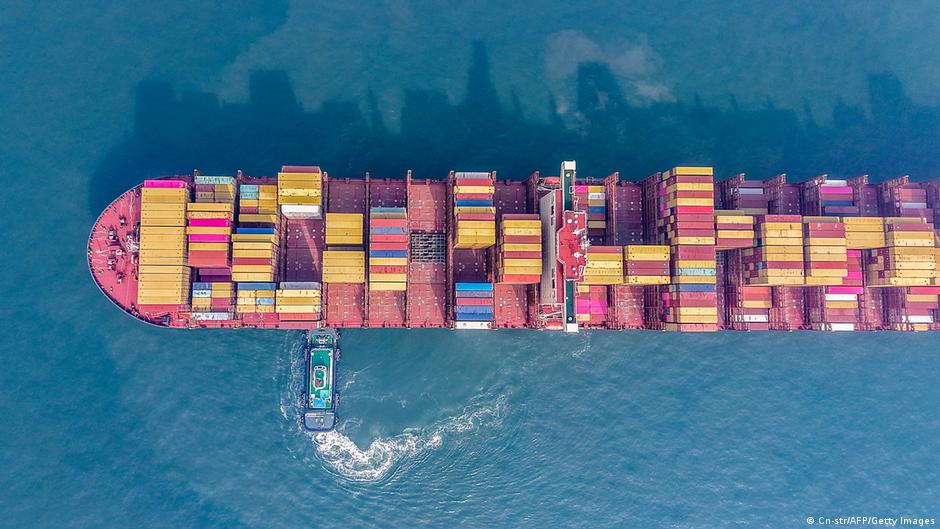
Once Hormuz is deemed secure, clearing the backlog of 1,900 stranded ships—many carrying oil or chemicals—could occur within days to weeks, contingent on resolving crew shortages. Aditya Saraswat of Rystad Energy noted that this process would provide Gulf producers with a “month of buffer” to increase output. Yet, logistical hurdles persist, as daily vessel traffic has dropped from 130-140 to much lower levels during the crisis.
Production Restart and Long-Term Challenges
Even with a rapid peace agreement, reviving oil and gas production may require several weeks. Some fields damaged by Iranian strikes could take two to three weeks to operate at full capacity, while complete shutdowns might necessitate up to one-and-a-half months. Maintenance inspections will grow more rigorous the longer facilities remain inactive, akin to reviving an old car after months of dormancy—requiring checks for rust, blockages, and safety issues.
“At this point, it’s essentially a race to market,” Saraswat remarked, emphasizing the urgency of restoring production.
The International Energy Agency (IEA) reported that 40 key Gulf energy sites have been “severely or very severely damaged.” Facilities like Qatar’s Ras Laffan LNG complex, the world’s largest export hub, could require up to five years for full recovery. Before the attacks, Qatar supplied roughly 20% of global LNG, but now that figure is reduced by 17% due to lost capacity.
Rebuilding supply chains will demand time, coordination, and investment. The path to normalcy hinges on resolving immediate security concerns and addressing the long-term consequences of infrastructure damage. As the world watches, the pace of recovery will define the economic resilience of global markets in the aftermath of the conflict.