Iran Talks Should Include Nuclear Experts: EU Top Diplomat
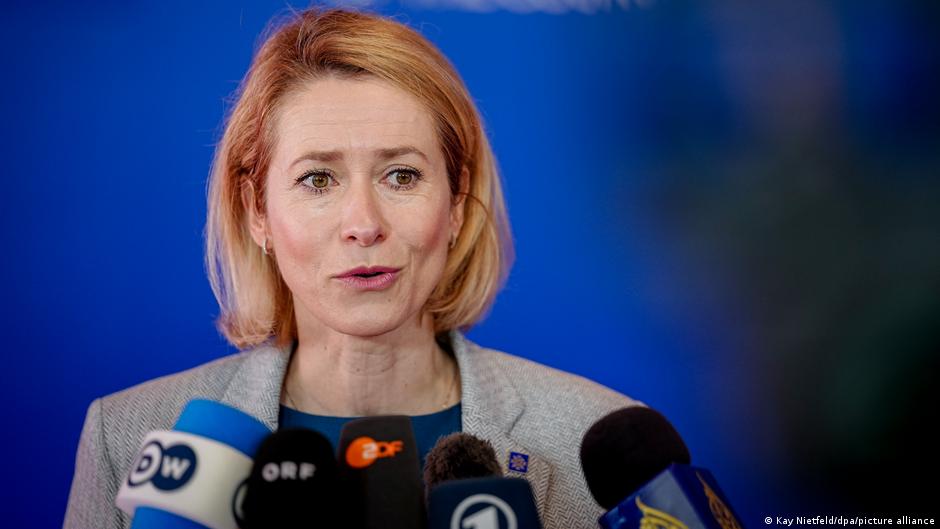
Samael.lol – European Union foreign policy chief Kaja Kallas warned that negotiations with Iran risked yielding a less robust agreement on the country’s nuclear program than the 2015 deal. She emphasized that excluding nuclear specialists from discussions could lead to a “more dangerous Iran,” according to remarks made at the EU leaders’ summit in Cyprus. The informal gathering, held in Nicosia, focused on the Middle East conflict and other pressing matters.
JCPoA’s Legacy and Current Risks
The Joint Comprehensive Plan of Action (JCPoA), negotiated under the Obama administration in 2015, required two years of intensive talks and involved over 200 experts across fields like nuclear physics, sanctions, and law. Trump’s 2018 withdrawal from the agreement left a vacuum, and Kallas noted that the current talks might not match its depth. “If the talks are only about the nuclear issue and there are no nuclear experts at the table, we will end up with an agreement weaker than the JCPoA,” she said.
Broader Concerns and Regional Engagement
Kallas also highlighted the need to address Iran’s missile programs, support for proxy groups, and hybrid or cyber activities in Europe. EU leaders are seeking a long-term resolution to the Iran conflict ahead of meetings with regional stakeholders. During a working lunch, discussions with representatives from Egypt, Jordan, Lebanon, and Syria aimed to explore collaborative strategies. Cyprus, situated 300 kilometers from the Lebanese coast, has faced direct consequences from the war after an Iranian drone attack on a British military base.
Budget Debates and Defense Priorities
On Friday morning, the summit addressed the EU’s next budget, covering the 2028-2034 period. German Chancellor Friedrich Merz argued against increasing member state contributions or taking on new debt. “Europe must make do with the funds we have,” he stated, advocating for reallocation of priorities. The bloc aims for a budget of approximately €2 trillion to offset pandemic-related debts, but balancing this with goals like enhancing competitiveness and defense capabilities remains challenging.
Support for Ukraine and Sanctions Against Russia
Thursday’s sessions included meetings with Ukrainian President Volodymyr Zelenskyy, resulting in a €90 billion loan for Kyiv. The EU also approved its 20th sanctions package targeting Russia over its invasion of Ukraine. Kallas confirmed the bloc is preparing to impose the next round of sanctions. “We’re pushing for the 21st package to send a strong signal to Russia that Ukraine is a top priority,” she explained.
“Europe must do even more. It is in all of our interests that stability be restored as soon as possible and that the world’s economies return to normal,” said French President Emmanuel Macron.