A Dangerous Standoff Intensifies in the Strait of Hormuz
Samael.lol – The rival blockades by the US and Iran over the Strait of Hormuz have evolved into a “test of wills,” as reported by BBC’s Chief International Correspondent Lyse Doucet. Earlier this month, American military forces declared their intent to intercept or redirect vessels heading to or from Iran’s coastline, a move Iran labeled as “piracy.” The country’s top negotiator, Mohammad Bagher Ghalibaf, emphasized that the strait’s reopening is “not possible” while the US persists with its naval blockade.
Escalating Tensions in the Region
Lyse Doucet is reporting from Tehran under the condition that her material is excluded from the BBC’s Persian Service. This restriction applies to all international media operating in Iran. Meanwhile, BBC Middle East Correspondent Hugo Bachega documented a harrowing moment in Hasakah, Syria, where a burning fuel tanker streaked through the city, leaving a fiery path in its wake. The incident highlights the ongoing conflict’s impact on local communities.
“The situation in the strait is a direct challenge between the two nations,” said Lyse Doucet, emphasizing the psychological and strategic stakes involved.
Impact on Lebanon and Regional Conflicts
More than one million people in Lebanon have been forced from their homes since the war expanded into Israel’s ground operations. The BBC’s Orla Guerin explored the region’s critical waterway, which Iran has effectively controlled. In southern Lebanon, BBC reporters covered the funerals of three journalists killed by a targeted strike, with Hugo Bachega speaking to families in Beirut who grapple with displacement and loss.
“Reopening the strait is a matter of political leverage,” stated Mohammad Bagher Ghalibaf, underscoring Iran’s position on the dispute.
War and Its Aftermath
Paul Adams detailed the peril of navigating the Strait of Hormuz, one of the world’s busiest oil shipping lanes. The conflict intensified after a Palestinian driver struck a teenage settler, sparking violence. Israeli forces were ordered to dismantle Hezbollah’s crossings over the Litani River, which had been vital for troop movements. Sebastian Usher reported from Dimona, southern Israel, where an Iranian missile strike caused destruction, with RT footage capturing Steve Sweeney diving as the blast hit.
“The missile strike in Dimona was a stark reminder of the strategic importance of the region,” observed Sebastian Usher.
Verification and Casualties
At least 10 individuals perished and 27 were injured in the attack, according to Lebanon’s National News Agency. BBC Verify’s Ben Chu examined the potential role of the Royal Navy in securing the strait. Displaced Palestinians in the enclave were warned to secure their tents against a severe storm, as Dan Johnson gathered insights from Iranians at a border crossing, reflecting on life under constant bombardment and regime pressure.
“The war has reshaped daily life here, with every moment carrying the risk of disaster,” shared an Iranian eyewitness.
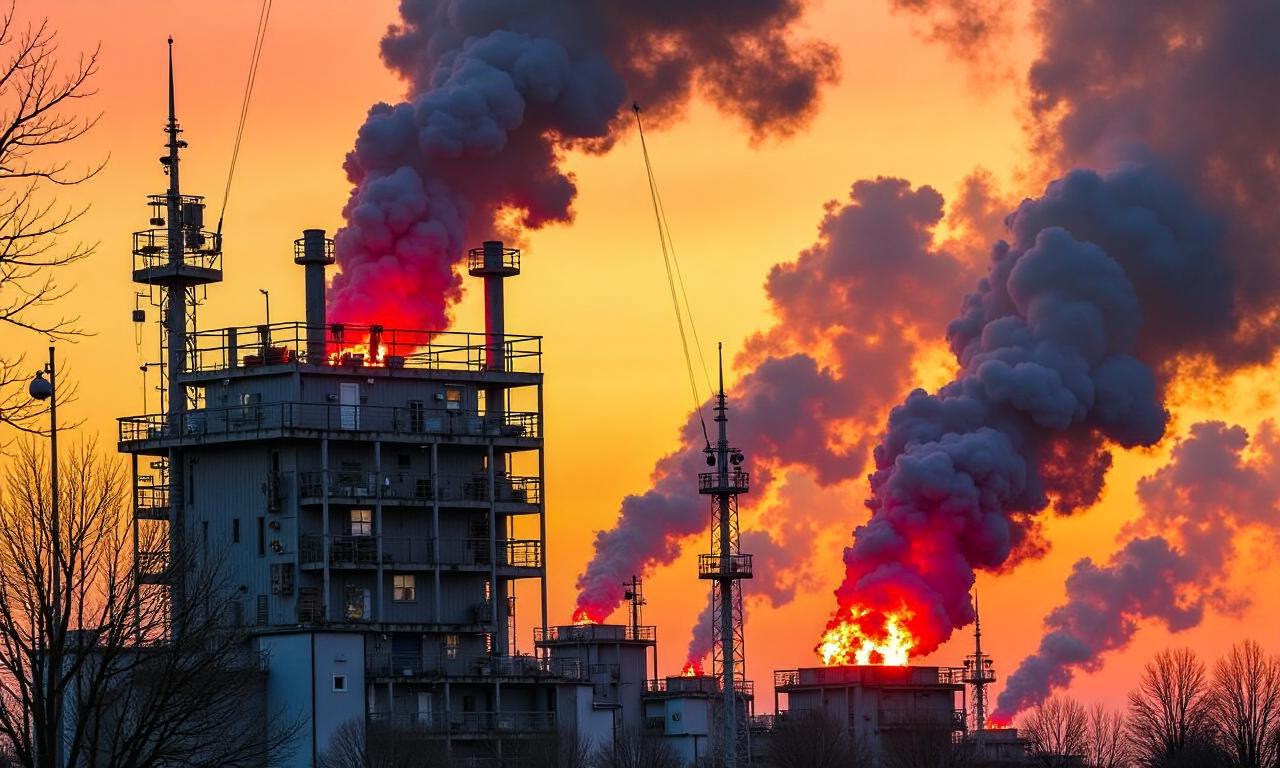
The BBC Verify team also explained how they authenticated a video of an oil depot fire in Iran, which has become a symbol of the ongoing crisis. Footage from the Gulf shows ships moving through the strait since the US-Israeli offensive began on 27 February, underscoring its critical role in global energy supply chains.