UK-US ties tested: Britain courts Trump with King Charles
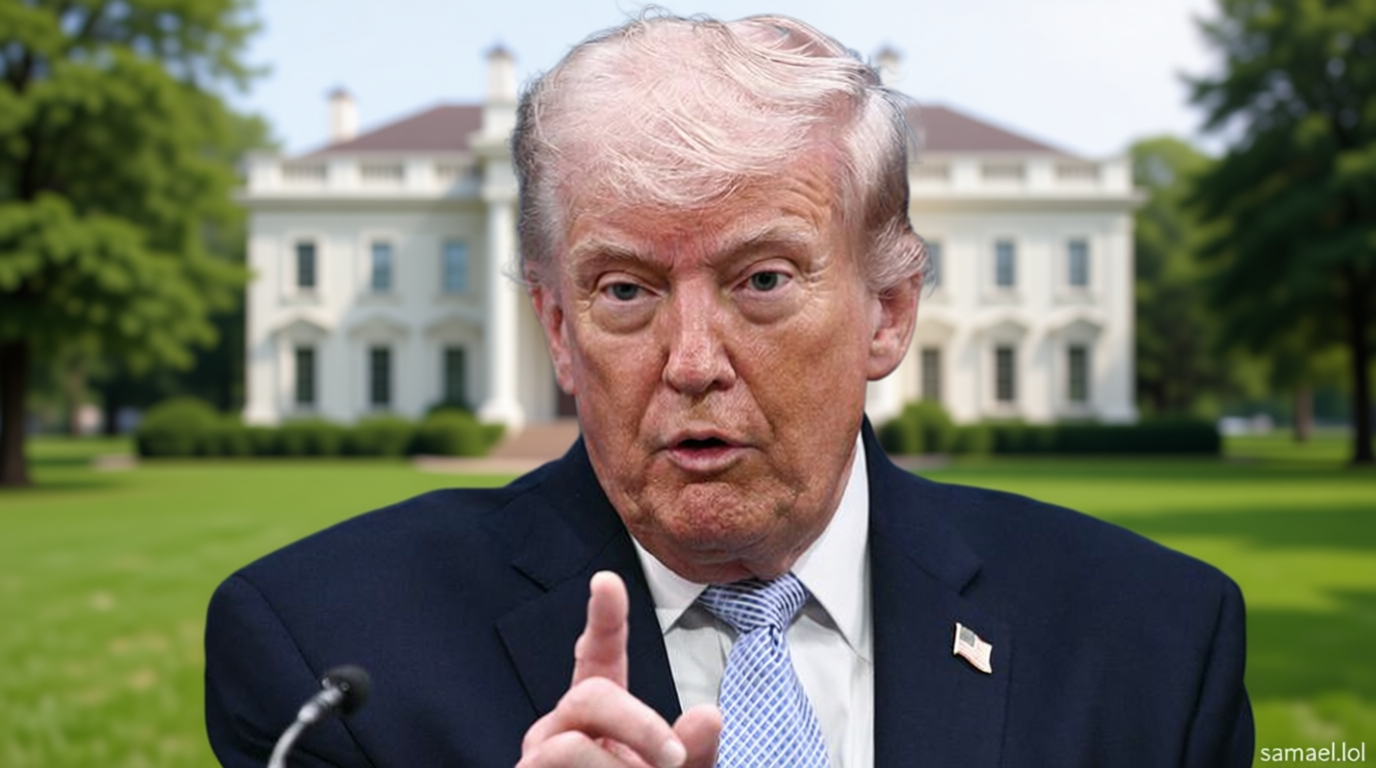
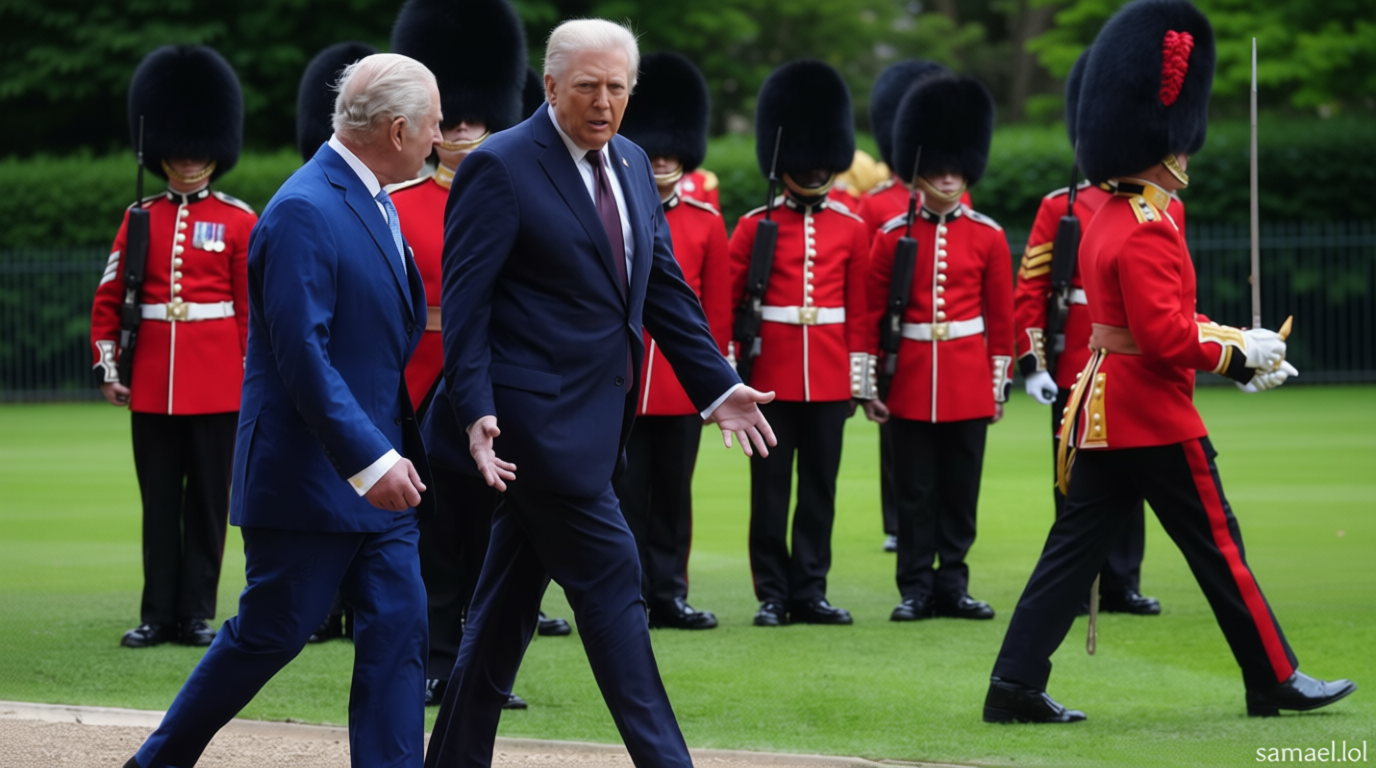
Samael.lol – During a state visit to the United States, the British monarch is being utilized to stabilize the United Kingdom’s deteriorating relationship with Washington. Does the new monarch hold the key to restoring the fractured “special relationship”? This bond, which has withstood revolutions, now faces pressure from Donald Trump’s unpredictable policies.
Despite robust economic and social connections, along with extensive intelligence exchanges, Trump has persistently criticized the UK and its prime minister, Keir Starmer. The catalyst was London’s hesitation to support Washington’s conflict with Iran. When Starmer initially resisted allowing US troops to use British bases, Trump remarked:
“This is not Winston Churchill we are dealing with.”
He later told The Sun newspaper:
“It’s unfortunate that the relationship isn’t what it once was,” noting that the prime minister “has not been helpful.”
The contrast to just one year ago is striking. At that time, the UK was the first nation to secure a post-tariff trade agreement with the US. Since then, Trump’s threats to invade Greenland, his broad tariff policies targeting allies, his criticisms of a “weak” Europe, and the ongoing Iran war have strained the alliance. While his disputes with the EU centered on trade and defense spending, the rift with London seems more personal.
The UK had positioned itself as Washington’s closest ally, and securing an early trade deal raised hopes in the White House. This likely made Britain’s refusal to back the US and Israel in Iran feel like a betrayal to Trump. British governments have long relied on their monarchs as tools for soft diplomacy, with state visits symbolizing the nation’s interests. As a constitutional monarch, King Charles III cannot negotiate treaties, set policy, or speak freely on political issues—his role is largely ceremonial.
Yet, the king was invited again, even as Trump’s positions can shift rapidly. Nigel Fletcher, a political historian at Kings College London, explained to DW:
“The British government will see it as better to at least attempt to gain favor for a short period, exerting some influence, rather than doing nothing.”
Declining the invitation, likely issued before the Iran conflict, would have risked Trump’s ire. “Donald Trump would have reacted very badly to that,” Fletcher added, “the Foreign Office will want to avoid offending him.”
Public sentiment in the UK is less favorable. In March, a poll revealed that nearly half of the British public opposed the trip, with just a third in favor. Over 80% of Britons view Trump negatively, according to recent surveys. Critics, however, question the strategy. Graham Smith of the anti-monarchist group Republic argues that the effort is futile.
“We are just wasting our time,” Smith said, “Trump has demonstrated the impotence of having a monarch.”
The diplomatic highlight of the visit is expected to be an address to Congress, only the second by a British monarch after Queen Elizabeth II spoke at the Capitol in 1991. The king will likely emphasize the enduring friendship and shared culture between the nations. However, controversy looms. Andrew, the king’s brother, had close ties to the late sex offender Jeffrey Epstein. Survivors have sought an audience with the monarch, but the palace has refused, citing active police inquiries. Congress member Ro Khanna has expressed disappointment over the decision.