SIPRI: Record Arms Spending, Again
Global Defense Expenditure Surpasses All-Time High
Samael.lol – In 2025, global defense expenditures reached an all-time peak. The Stockholm International Peace Research Institute (SIPRI) reports that military budgets surged for the 11th consecutive year, totaling $2.887 trillion (€2.47 trillion). This figure marks the highest level of arms spending ever recorded. “The surge reflects countries’ responses to ongoing conflicts, geopolitical tensions, and regional instability,” noted Xiao Liang, a researcher in SIPRI’s Military Expenditure and Arms Production Programme.
Europe Drives the Global Military Spending Surge
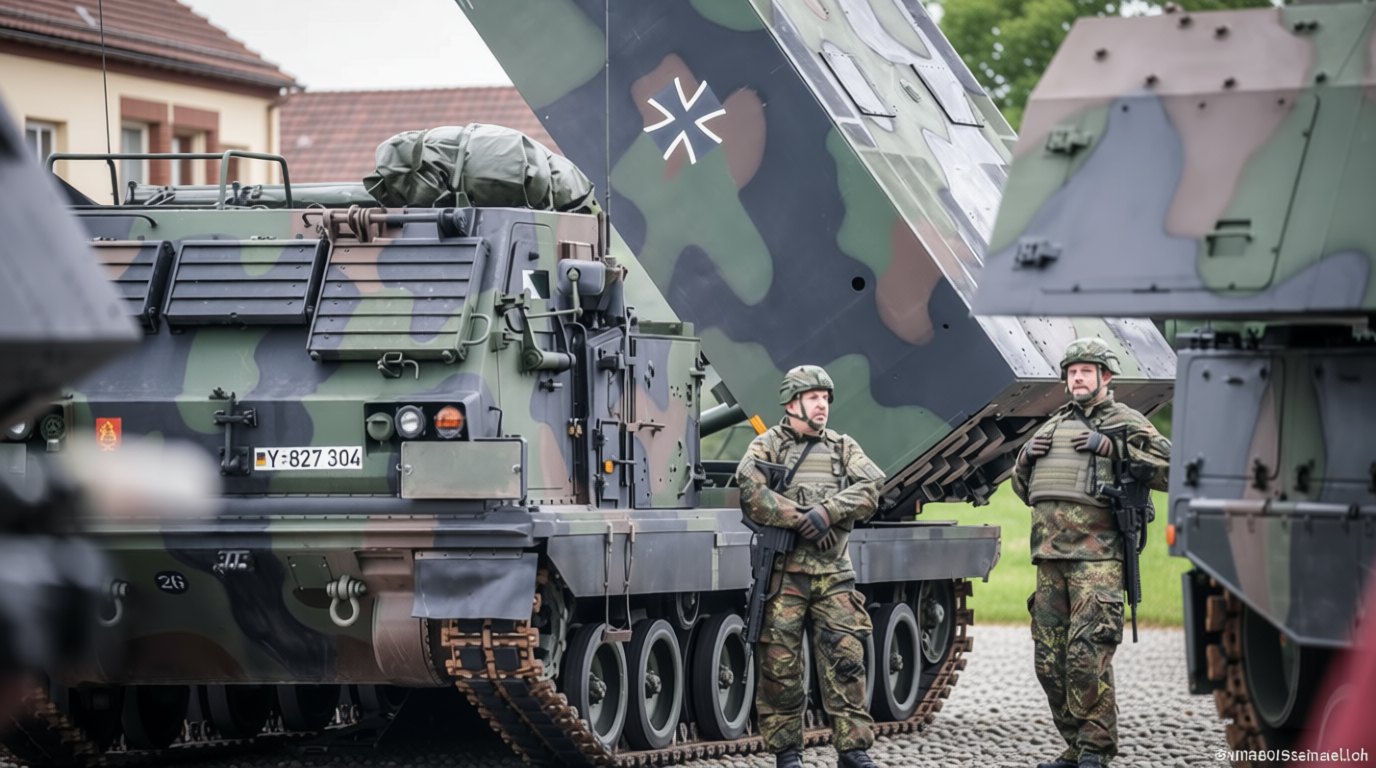
The bulk of the global rise in defense spending in 2025 was fueled by Europe. Expenditure in the region climbed 14% to $864 billion. Russia’s full-scale invasion of Ukraine in 2022 reshaped European perceptions of security. Fears of broader Russian threats prompted NATO members to boost their budgets. Spain, Poland, and Italy saw defense spending increase by 50%, 23%, and 20% respectively. Germany, the largest military spender in Europe, allocated $114 billion in 2025—a 24% rise. For the first time since 1990, its spending surpassed the NATO benchmark of 2% of GDP, reaching 2.3%.
Shifting Priorities and US Defense Cuts
To finance the increase, Germany’s parliament modified its fiscal rules, allowing military spending above 1% of GDP to bypass the debt brake. “Germany’s spending growth may not fully match its military capabilities,” Liang observed. “But long-term, it’s becoming more self-reliant and powerful.” The rise also reflects doubts about future U.S. security commitments, especially after President Donald Trump raised questions about NATO’s collective defense goals. Meanwhile, the U.S. spent $954 billion in 2025, a 7.5% drop from the prior year. The decline stemmed from Congress withholding new aid for Ukraine, unlike in the previous three years.
Broader Implications for Global Security
Despite the U.S. remaining the world’s top military spender, its share of global defense budgets has steadily declined since 2020. “This isn’t about the largest spenders cutting back,” Liang explained. “It’s about widespread growth in other regions, particularly among mid-tier powers.” The institute warns that this trend could continue into 2026, driven by escalating conflicts in the Middle East and Asia. “The new 2026 budget signals a significant uptick,” he said. “The slowdown in U.S. spending is unlikely to last.” The Pentagon estimated that the first six days of the 2026 Iran war alone cost the U.S. $11.3 billion, underscoring efforts to maintain dominance in the Indo-Pacific region.