‘I don’t want the children to see how worried we are’: UK family finances hit by Iran war
Samael.lol – Naomi’s routine has changed since the US-Israel conflict with Iran began. Previously, she didn’t hesitate to fuel the family van for regular hospital visits to her daughter Riziah, who requires specialized care for complex medical conditions. Now, each trip costs more than 30% more due to soaring fuel prices. The family in Chorley, Lancashire, must travel over 30 miles to reach Liverpool’s hospitals, a journey now strained by the financial strain of higher costs.
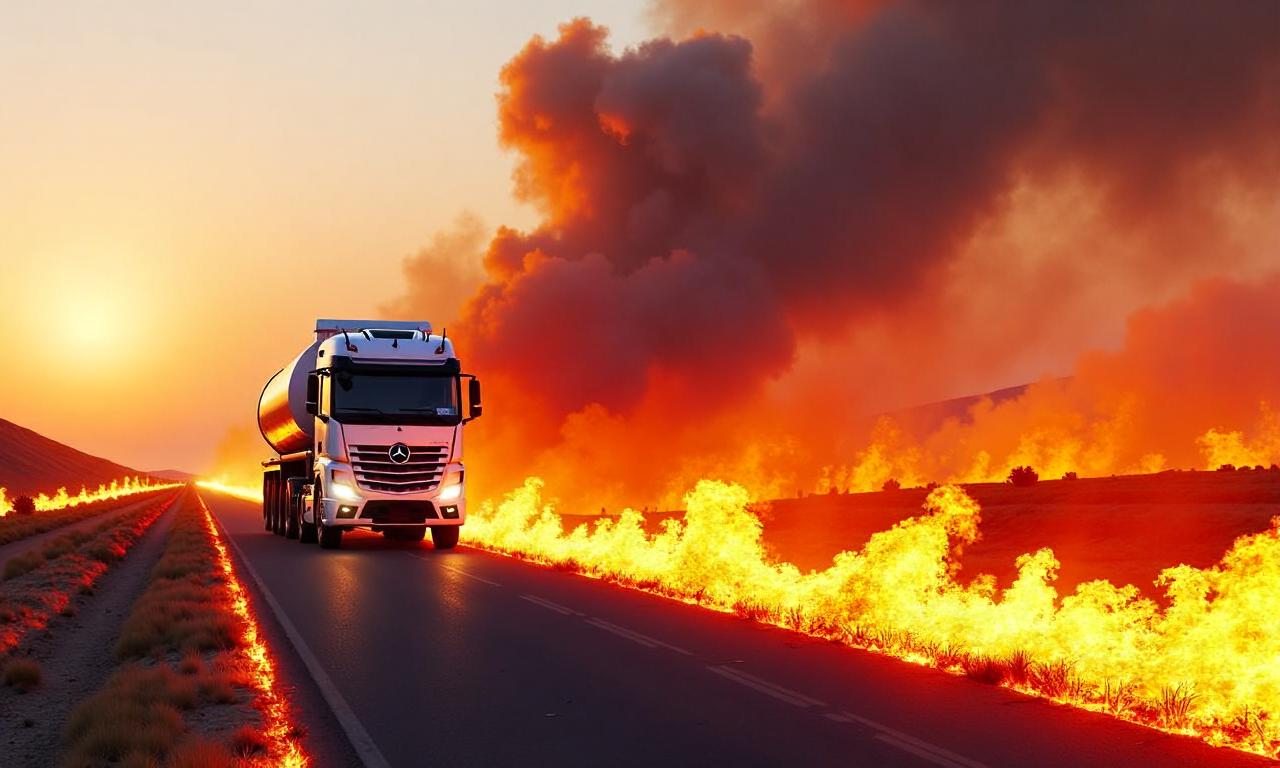
The war has pushed fuel expenses into sharp focus. Since February 28, the family’s weekly diesel bill has climbed by £30, with a single fill-up costing nearly £130. “How is that doable? Just keeping up with the van’s fuel each time,” Naomi questions, her voice tinged with concern. Government data shows diesel prices have jumped 35% in two months, while petrol has risen 19%. This means a full tank of diesel now costs about £27 more than before, and petrol has increased by roughly £14 in real terms.
“I don’t want the children to see how worried we are,” Naomi says.
Amid these challenges, energy bills loom as another potential burden. Riziah’s medical devices demand extra electricity, and her condition requires the home to stay warm year-round. The energy price cap, which shields millions of households in England, Wales, and Scotland, has recently dropped but is set to rise by over 12% in July. Cornwall Insight predicts the cap will reach £1,843 annually for an average household—adding around £200 to yearly costs.
The closure of the Strait of Hormuz has exacerbated the crisis. This vital waterway, which handles a fifth of global oil shipments, was disrupted early in the war as Iran threatened shipping in retaliation for US and Israeli strikes. Although a ceasefire is in place, the strait remains largely closed, tightening oil and gas supplies worldwide. Even though the UK relies minimally on regional gas, the reduced supply has driven up international prices, leading to higher energy bills for homes.
As the economic ripple effects grow, food costs are expected to rise later this year. Disruptions to fuel and shipping routes are already impacting production and transportation, which will likely pass on additional expenses to consumers. Mohamed El-Erian, economist and Wharton professor, warns that lower-income households—already under pressure—will bear the brunt of these changes. “This is what worries me most. The war’s impact hits those most vulnerable, especially as inflationary pressures spread across the economy,” he says.
While businesses are currently absorbing rising costs, they may soon pass them on to customers. Meanwhile, the Bank of England’s plans to cut interest rates this year could be delayed. Inflation, linked to the war’s effects on global markets, may prevent rate reductions, leaving borrowers facing higher borrowing costs and households struggling to balance budgets.