Car Bomb Was ‘Deliberate, Reckless, and Stupid’ Attack, Says Police Chief
Samael.lol – Northern Ireland’s police chief has condemned a car bomb blast near a police station as an “intentional, daring, and ill-considered act of violence.” The explosion, which occurred on Saturday night, targeted the Dunmurry police station and left local residents scrambling for safety. Jon Boutcher, head of the Police Service of Northern Ireland (PSNI), highlighted the attack’s perilous nature during a press conference at Stormont, where he emphasized the need for a united response against the perpetrators.
“Today, it was essential for us to present a single, resolute voice in condemning this attack,” said First Minister Michelle O’Neill. The political leaders and the Policing Board chair all joined Boutcher in expressing their outrage, stressing the attack’s disregard for community safety. O’Neill noted that the incident posed a direct threat to civilian lives, including families with young children who were already in bed.
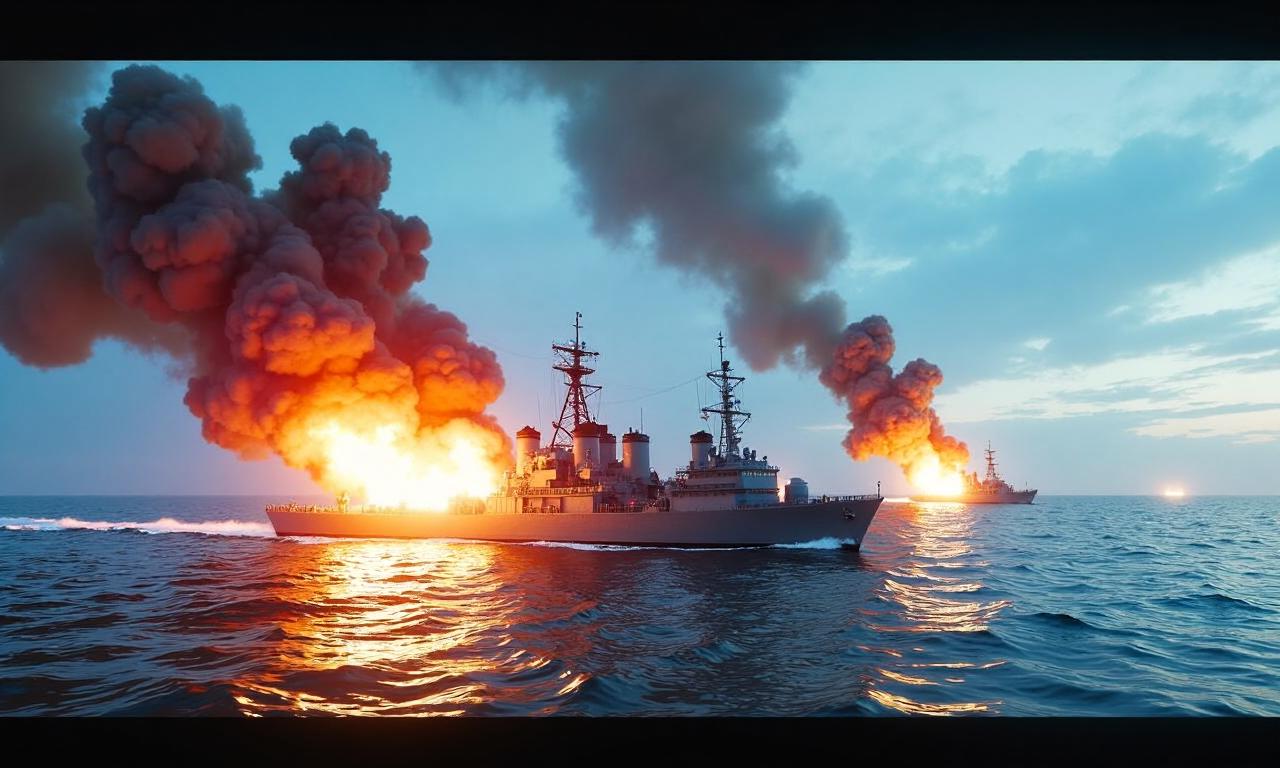
The blast unfolded as officers were guiding nearby residents to safety. A delivery driver, who had been forced to transport the bomb under threat of gunfire, played a pivotal role in the evacuation. According to Boutcher, the driver’s quick thinking and alertness enabled the swift removal of families from the vicinity. The car, which had been modified with a gas cylinder device, exploded while parked near the station, creating a chaotic scene in the residential area.
“Even though the officers put their own lives at risk, they emerged from the station to ensure the surrounding residents were safe,” Boutcher explained. “At that moment, the bomb detonated. It was sheer luck that no one suffered serious harm or lost their life.”
The attack’s timing and location were particularly alarming, as it occurred in a densely populated neighborhood. Joe Morgan, a father of two living just 110 yards from the station, recounted the incident. He was in the process of preparing for bed when a loud explosion shook his home. “I was flicking off lights and lowering the window when I heard a massive bang,” Morgan told the BBC’s Good Morning Ulster programme. Initially, he assumed it was a vehicle colliding with an object on the street. “I grew up during the Troubles, so my mind didn’t immediately register it as a bomb. I thought maybe something crashed into my house.”
Boutcher also mentioned that the PSNI is investigating the New IRA as the likely group behind the attack. He described the act as “a brazen, senseless display of aggression” and criticized the group’s lack of support. “These individuals are not backed by anyone, and their actions are entirely self-serving,” he said. The police chief warned that the group’s recent behavior suggests a growing willingness to escalate violence, even in areas where public safety has been prioritized.
“While no one has yet claimed responsibility, we anticipate it will be the New IRA,” Boutcher added. “This group has a small following but a clear goal: to instill fear through lethal means.” He reiterated the need for swift action, urging authorities to “arrest these reckless actors and remove them from the streets.”
The incident has reignited concerns about the ongoing threat from dissident republican groups. Security analysts are closely examining both this attack and a similar one at Lurgan police station last month, where the device failed to detonate. These events are seen as potential indicators of evolving tactics and heightened resolve among such factions. Despite efforts to stabilize the situation, the PSNI remains vigilant, acknowledging that the threat is far from neutralized.
“Even though the Lurgan attack didn’t explode, it was just as dangerous,” said security experts. “The fact that these groups are now targeting police stations suggests they are testing the defenses of the security forces.” The Dunmurry blast, in particular, has raised questions about the group’s ability to execute precise attacks and their impact on public confidence.
Boutcher’s remarks at the press conference underscored the gravity of the situation. “This wasn’t just a random act; it was a calculated effort to undermine the peace process and terrify the local population,” he stated. The chief also praised the delivery driver’s bravery, calling the man’s actions “incredibly courageous” for navigating the dangerous situation without hesitation. “He immediately informed police staff of the situation, which allowed us to initiate the evacuation process,” Boutcher said.
“After the bomb exploded, we had to make sure there were no secondary devices hidden nearby,” a PSNI officer explained. “That’s why we knocked on doors in the surrounding area, urging residents to leave their homes quickly.” The driver, who had been coerced into transporting the bomb, described the moment as harrowing. “They told me to take it to the station, and I just followed orders,” he said. “I didn’t expect it to go off, but I knew I had to act fast.”
The attack has also prompted a broader discussion about the resilience of the security forces. While the PSNI has successfully curtailed most republican activities in recent years, the dual incidents highlight the challenges of maintaining vigilance. “We’ve contained the threat, but complacency is a luxury we can’t afford,” Boutcher said. He warned that the New IRA’s actions could lead to more attacks if their support network remains intact.
“Groups like the New IRA may have limited members, but they are willing to take extreme risks to achieve their objectives,” said a security analyst. “The fact that they’ve managed to carry out a successful bombing in a populated area is a sign of their growing capabilities.” The analyst added that the PSNI’s response has been swift and effective, but the community needs to stay alert.
Residents in the area have expressed relief that no lives were lost, though the trauma of the event remains fresh. Morgan, who was able to evacuate his children before the blast, described the experience as “a terrifying moment that will stay with me for a long time.” He and others are now focusing on rebuilding trust in the security forces after the incident. “We were all just trying to get to safety, but the fear was real,” Morgan said.
“We were told to get out of the house immediately, and we did,” Morgan recalled. “The car was on fire, and the smoke was everywhere. I looked out and saw the police running towards the scene, which gave me some reassurance.” The attack’s proximity to family homes added to the urgency of the situation, with many residents caught off guard by the sudden violence.
As the investigation continues, the PSNI is determined to identify those responsible and prevent future attacks. The latest incident serves as a stark reminder of the ongoing threat posed by radical groups, even in regions where the conflict has largely subsided. With no official claim of responsibility yet, the police are preparing for the possibility of a public announcement from the New IRA or another faction. The unity of the political and police leaders in condemning the attack has been a key message in the aftermath, aiming to reassure the public that the threat is being addressed with determination.
Security experts emphasize that the attack reflects a strategic shift in tactics by dissident republicans. “They’re using vehicles as a means to bypass traditional surveillance and create surprise,” said one analyst. “This method allows them to strike without being detected, making it more dangerous for civilians.” The combination of the Dunmurry and Lurgan incidents suggests a coordinated approach, with the goal of testing the security forces’ response time and readiness.
“Both attacks were planned with precision, but the execution was careless,” the analyst noted. “The New IRA is showing a willingness to take risks, even if it means endangering their own people.” This attitude, according to Boutcher, is a direct challenge to the peace process and a declaration of continued hostility toward the security establishment.
In the wake of the explosion, the PSNI is also reviewing its protocols to ensure similar incidents are prevented in the future. “We’ve learned from this attack, and we’re adjusting our strategies accordingly,” Boutcher said. He called for increased collaboration between security agencies to monitor and disrupt such operations. The police chief’s comments were met with bipartisan support, as both the first and deputy first ministers reiterated their commitment to safeguarding the community from further threats.
As the investigation unfolds, the focus remains on the driver’s role and the broader implications of the attack. The man, who had been taken hostage in Twinbrook, is now a key witness. “He was under tremendous pressure, but he stayed calm and informed the police of the danger,” said Boutcher. “That’s why we were able to evacuate the residents so quickly.” The PSNI’s ability to respond effectively has been praised, though the attack has left many questioning the long-term stability of the region’s security landscape.
The incident also serves as a reminder of the enduring impact of the Troubles on Northern Ireland’s society. For Morgan and others, the explosion brought back memories of past conflicts