All but Back in Champions League – Yet Big Decisions Loom at Man Utd
Samael.lol – Manchester United’s recent 2-1 victory over Brentford has reignited hopes of a return to European competition, yet the club faces pivotal choices as the season progresses. The win, which secured crucial points in the race for Champions League qualification, showcased the team’s resilience and determination. However, the outcome also highlights the looming uncertainty surrounding key players and the management structure. As the Red Devils prepare for the next phase of their campaign, the focus shifts to the decisions that will shape their future.
Casemiro’s Departure and Midfield Needs
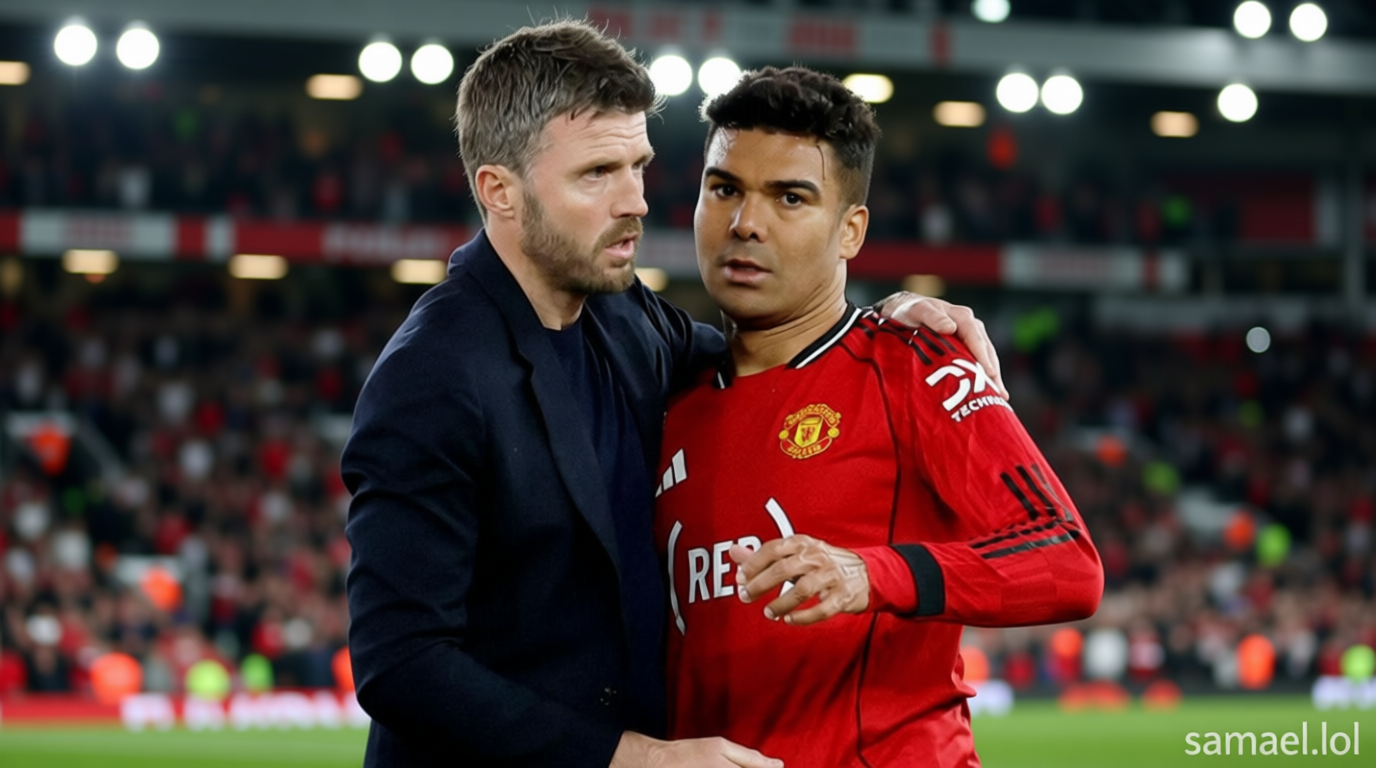
The emotional farewell of Casemiro at Old Trafford was palpable as the Brazilian midfielder stepped off the pitch, his actions resonating with the passionate supporters in the Stretford End. At 34, Casemiro has become a symbol of consistency and leadership, with his third consecutive home goal underscoring his value to the team. His ability to engage the crowd, both through celebration and composure, has left a lasting impression. Yet, his impending exit signals a major overhaul in the midfield, a position that remains a priority for the club’s technical staff.
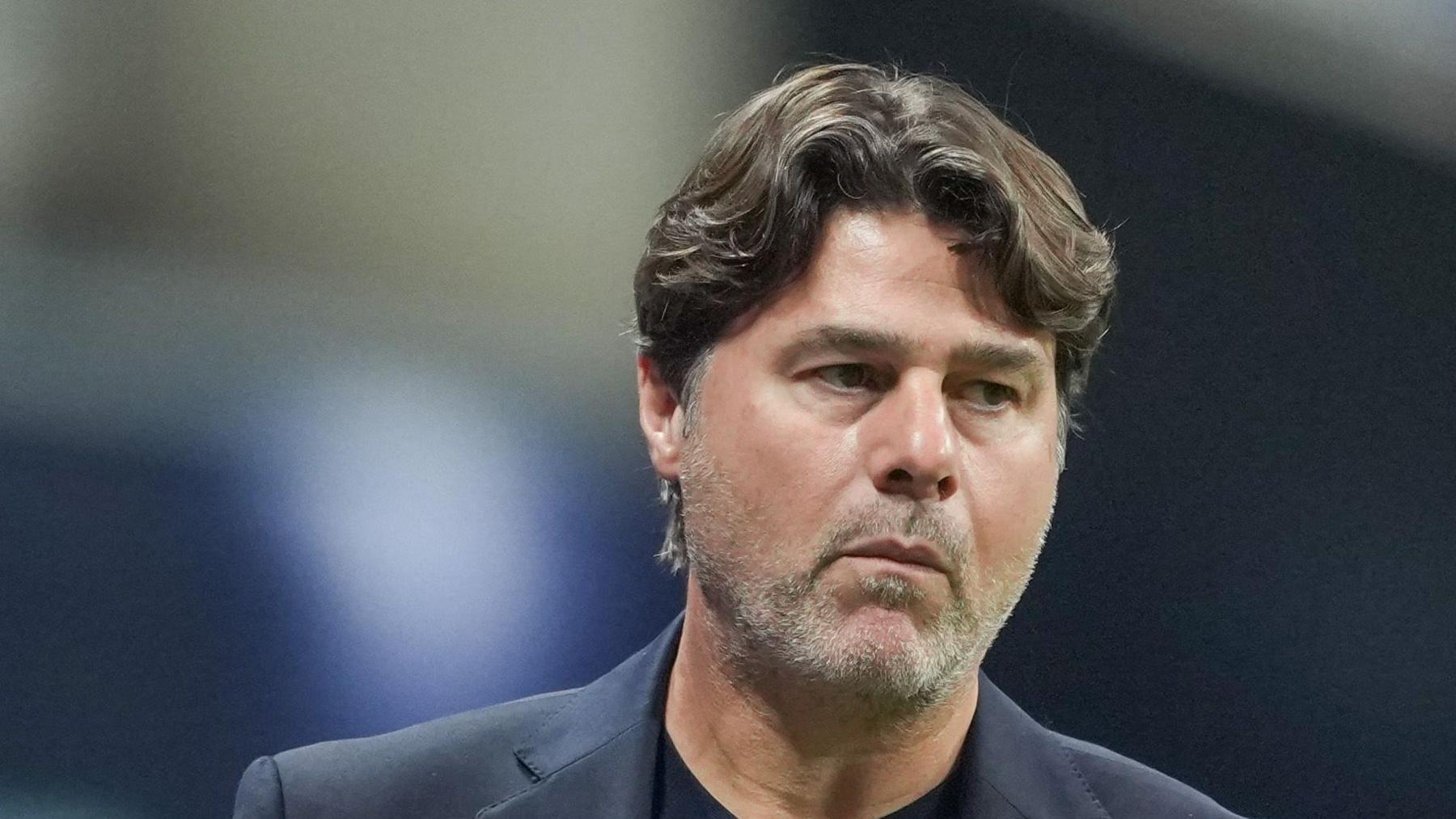
“It is pretty clear, from both sides,” remarked manager Michael Carrick when asked about Casemiro’s likely departure next month. “He has had an influence in the group, bringing experience and giving everything you can possibly give. But it’s football—players come and go.”
Carrick’s words reflect the reality of the situation: while Casemiro’s contributions have been indispensable, the club’s strategy now centers on replacing him. The midfielder’s role in securing vital goals and orchestrating free-kicks within the penalty area has been a cornerstone of United’s midfield. However, his absence will be keenly felt, especially as the team navigates a season that could demand up to 50% more matches than the current 40-game campaign.
Summer Strategy and Transfer Priorities
With the Champions League qualification within reach, the focus turns to the summer transfer window. Jason Wilcox, the club’s technical director, has already set the tone for the season, emphasizing a pragmatic approach to recruitment. The recent victory, which brought United two points closer to European football, was the result of a meticulous plan that began in January after Ruben Amorim’s dismissal. Wilcox’s strategy has been successful, but the next challenge is to solidify the squad for the long haul.
Central midfield is the primary area requiring reinforcement, as the team seeks to fill the void left by Casemiro. Elliott Anderson from Nottingham Forest is the top target, though his price tag of £120m could deter United if they stick to their financial constraints. The club has made it clear they will not overpay, a stance that contrasts with past strategies. This approach ensures they remain competitive without stretching their resources beyond limits.
Another key aspect of the summer plan is the club’s desire to avoid drawn-out negotiations that often delay decisions. This is a lesson learned from Casemiro’s arrival in 2022, when Erik ten Hag’s prolonged pursuit of Frenkie de Jong led to a compromise. The same caution will apply this time, with United aiming to finalize transfers swiftly once the season kicks off. This mindset also influences their recruitment targets, as they prioritize players who can adapt quickly to the demands of the squad.
A Team in Transition
Despite the challenges, United’s squad has shown promise. The signings of Bryan Mbeumo and Matheus Cunha last summer serve as a blueprint for the current strategy, demonstrating the ability to attract quality talent. These additions have provided depth and versatility, qualities that will be essential as the team contemplates expanding further. Carrick emphasized that while not every signing will be a success, the goal is to build a squad that can thrive under pressure without incurring unsustainable costs.
Some players, like Harry Maguire and Luke Shaw, may struggle with the increased workload, but others such as Noussair Mazraoui have not yet maximized their potential. Ayden Heaven’s standout performances in central defense suggest he could take on a larger role next season. Meanwhile, Matthijs de Ligt, currently sidelined by a back injury, is viewed as a key asset once he returns to fitness. The club’s hierarchy believes the squad is now equipped to handle the rigors of a more demanding schedule.
Legacy and the Road Ahead
As United look to the future, there is a clear recognition of the need to move away from the legacy of overinflated contracts that have burdened the club in the past. Players like Marcus Rashford and Andre Onana, who have become synonymous with United’s recent history, are examples of the financial commitments that must be reevaluated. Carrick’s emphasis on balanced spending and strategic signings aims to mitigate such risks while maintaining competitiveness.
The club’s approach to recruitment has evolved significantly this summer. Unlike previous seasons, where prolonged negotiations led to uncertain outcomes, the current strategy prioritizes clarity and efficiency. This shift is evident in the targeted pursuit of Elliott Anderson, whose skills align with United’s need for a reliable central midfielder. The technical director’s decision-making has been instrumental in achieving the team’s goals, and now the focus is on ensuring these choices are sustained.
With four games remaining in the current campaign, the pressure to perform is mounting. The path to Champions League qualification is still narrow, requiring United to secure every point while hoping for favorable results from rival teams. This scenario has prompted internal discussions about the future of the squad, including the potential departure of other key players. Carrick’s leadership has been vital in steering the team through this transition, but the next phase will test their ability to maintain momentum.
Looking ahead, the recruitment team must balance immediate needs with long-term aspirations. While the priority remains central midfield, a left-sided attacking option could also be critical, given the club’s interest in Antoine Semenyo earlier this year. The success of previous transfers, such as those of Mbeumo and Cunha, offers confidence that United can attract talent without compromising their financial strategy. The coming months will determine whether this approach proves effective or if the club will need to make bold moves to secure their place in European football.
Ultimately, the journey to the Champions League is a testament to Manchester United’s resilience, but it is also a crossroads. The decisions made this summer will not only shape the squad’s future but also redefine the club’s identity in the modern era. As Carrick and his team navigate these challenges, the focus remains on progress, both on and off the pitch.