Germany’s Conservatives Connect Immigration with Crime
Samael.lol – German citizens’ sense of security is being tied to immigration policy by conservative leaders, according to recent statements. Chancellor Friedrich Merz has suggested that removing more immigrants could enhance public safety. However, the situation is multifaceted. During a March Bundestag session, Merz addressed concerns about violence against women, stating that “a significant portion of this violence originates from immigrant communities.” He emphasized the need to explore the roots of such incidents, framing migration as a contributing factor to urban unrest.
Political Shifts and Public Perception
Merz’s remarks echo a broader narrative linking migration to rising crime rates. In October 2025, he noted a 60% decline in asylum seekers under his government, yet stressed that “the cityscape still reflects challenges,” citing increased shoplifting and disorder in public areas. This claim has drawn criticism, with opponents arguing that the perception of danger is not solely tied to migration.
Expert Insights on Urban Safety
A representative poll by infratest dimap in late 2025 revealed that 48% of Germans feel uneasy in public spaces like parks and transport hubs. This marks a sharp contrast to 2017, when only 23% shared similar concerns. Thorsten Wünschmann, head of Hanau’s Ordnungsamt, noted that “people’s fear is driven more by socially disruptive behavior than by severe crime.” He cited beggars, homeless individuals, and groups of intoxicated people as examples of actions that create discomfort without constituting legal offenses.
Local Officials Highlight Persistent Challenges
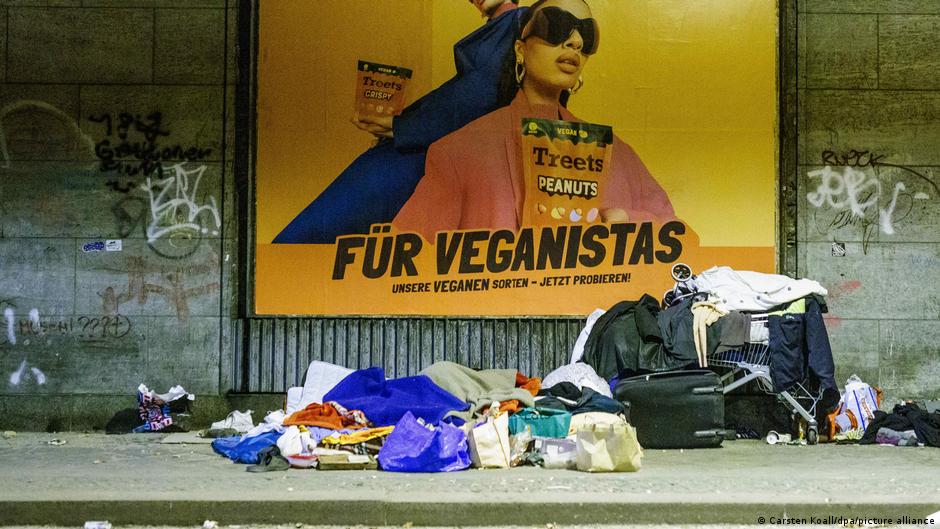
At a Berlin conference, conservative mayors and local leaders discussed how urban changes affect safety. Christoph de Vries, a CDU official, pointed to Hamburg’s organized begging groups, often composed of Eastern European migrants. Despite their inability to be deported, regular inspections by the city’s public order office have helped manage the issue. Yet, de Vries acknowledged that “the presence of these groups in fixed locations still influences people’s daily experiences.” Rainer Wendt, leader of the German police union, echoed this, referencing Alexanderplatz in Berlin: “Anyone who has seen migrant workers’ belongings scattered in building entries understands the impact of this visibility on public perception.”
Reevaluating the Safety Narrative
While Merz and Spahn argue that reduced asylum numbers improve urban safety, critics question whether stricter policies will reverse the trend. The AfD’s electoral gains—earning 19% in two of five state elections—reflect growing public unease, but the debate remains unresolved. As the conversation continues, the challenge lies in distinguishing between crime and the broader social changes attributed to migration.