Russian Oil Tanker Docks in Cuba, First Since US Blockade
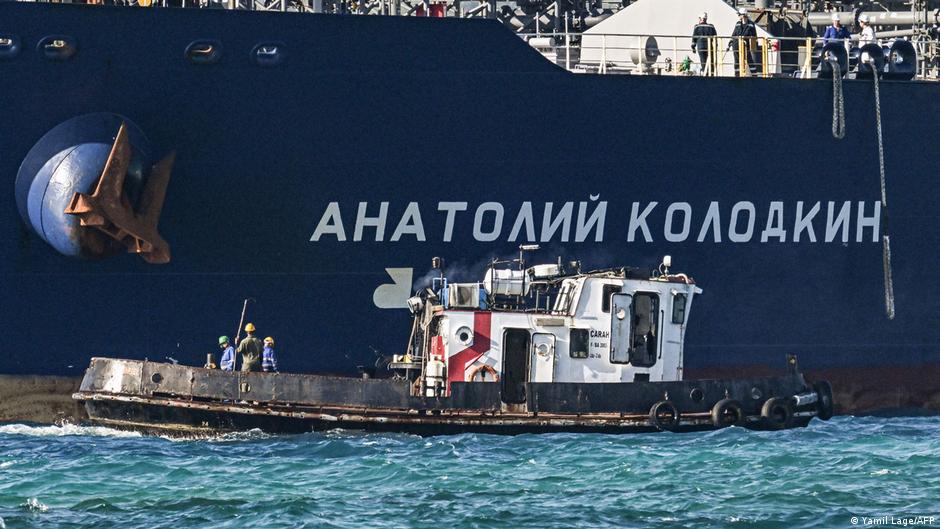
Samael.lol – Cuba has welcomed a Russian oil tanker for the first time in months, offering a rare reprieve from the ongoing U.S. sanctions. The vessel, Anatoly Kolodkin, unloaded 730,000 barrels of crude oil at Matanzas port, east of Havana, during the early hours of Tuesday. This arrival marks a significant moment amid the nation’s dire energy shortages, which have intensified since the Trump administration imposed a total oil embargo in January.
The shipment comes as Cuba grapples with severe fuel and food deficits, worsening its economic crisis and causing frequent nationwide power outages. Despite being under U.S., EU, and UK sanctions over Russia’s invasion of Ukraine, the Russian tanker was permitted to dock, highlighting the geopolitical dynamics at play. The White House press secretary, Karoline Leavitt, noted the decision was made on a case-by-case basis, citing humanitarian reasons, though no permanent shift in sanctions policy was announced.
“Our gratitude to the Government and People of Russia for all the support we are receiving. A valuable shipment that arrives amidst the complex energy situation we are facing,” stated Cuba’s Energy and Mines Minister, Vicente de la O Levy, on X. The shipment is expected to yield around 180,000 barrels of diesel, potentially meeting the country’s daily demand for nearly a fortnight.
“The arrival of an oil tanker to a country has likely never generated so much news as the Russian one to Cuba,” remarked Cuban Deputy Foreign Minister Carlos Fernandez de Cossio on X. “It’s a sign of the brutal siege Cubans endure with heroism and stoicism. It’s a demonstration of the criminal cruelty of imperialism against a nation that refuses to be dominated.”
The U.S. blockade, which began under Trump, has severed Cuba’s access to Venezuelan oil, a key supplier. By allowing the Russian tanker to deliver its cargo, the administration appears to balance its anti-Russian stance with the need to alleviate Cuba’s immediate struggles. The move underscores the island’s reliance on international partners amid its mounting challenges.