Senegal President Signs Law Doubling Maximum Jail Term for Same-Sex Relationships
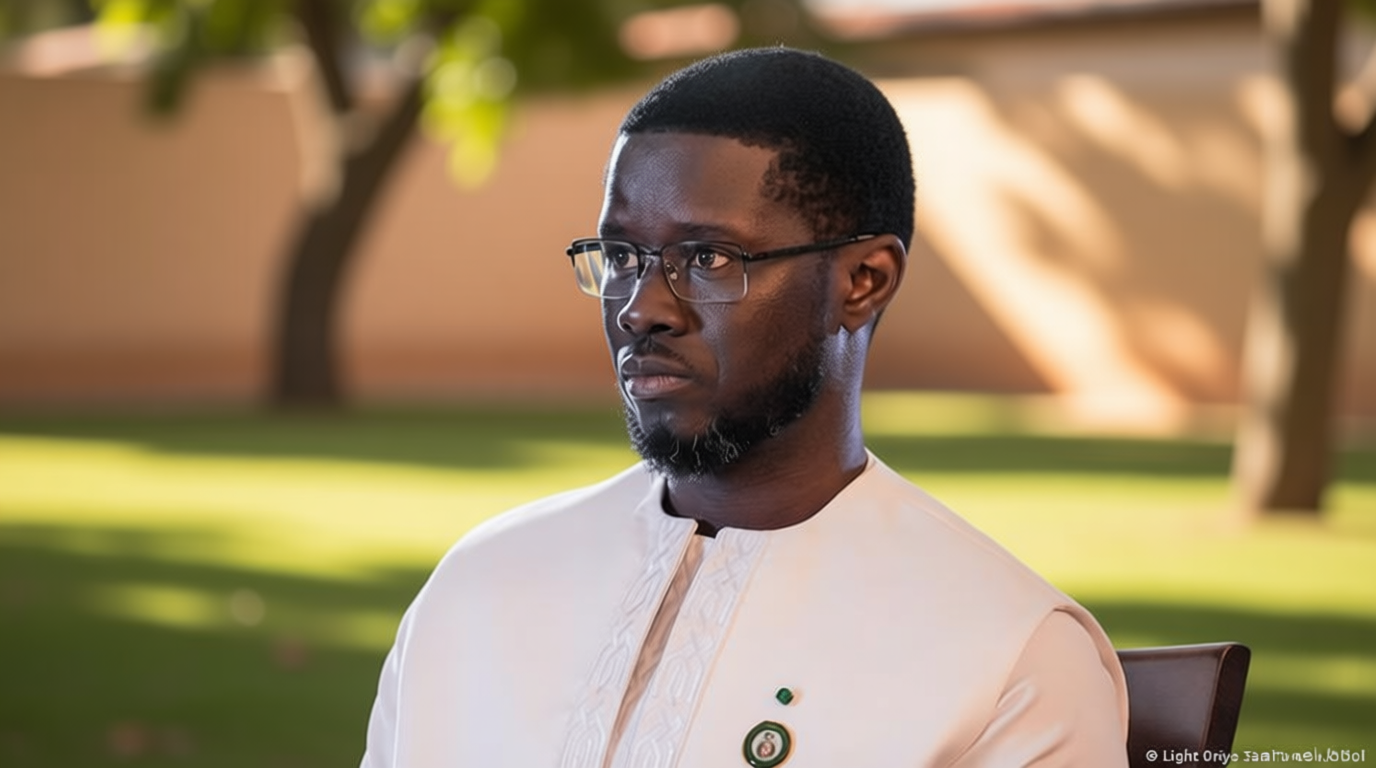
Samael.lol – President Bassirou Diomaye Faye of Senegal formally ratified a contentious law on Tuesday, which escalates penalties for same-sex relationships. The legislation, approved by parliament earlier this month with near-unanimous support, now mandates a maximum sentence of two years for individuals engaging in same-sex acts. This marks a significant shift in legal penalties, with the law also targeting those who “promote” or finance such relationships, as well as individuals making false claims.
Legislative Process and Domestic Reactions
Senegal’s official gazette published on Tuesday confirmed President Bassirou Diomaye Faye’s formal endorsement of the new legislation. Despite its broad political backing within the majority Muslim nation’s parliament, the law has sparked international criticism. Human rights organizations have expressed alarm, warning that it may discourage individuals at risk of diseases like HIV/AIDS from accessing critical health services.
“The law is deeply worrying and flies in the face of the sacrosanct human rights,” stated UN High Commissioner for Human Rights Volker Türk.
The bill’s passage was preceded by heightened public scrutiny in February, following the arrest of several individuals suspected of violating the law. Notably, two local celebrities were detained, sparking media coverage that often focused on sensationalized allegations. Some accused of “voluntary transmission of HIV” could face up to a decade in prison, adding to the controversy.
Political Context and Party Dominance
The legislation, spearheaded by Prime Minister Ousmane Sonko, navigated parliament smoothly earlier this month. No lawmakers opposed the proposals, with three casting abstentions. Sonko’s left-wing populist PATSEF party holds a commanding majority in the Assembly, securing 130 out of 165 seats under Senegal’s first-past-the-post electoral system.
Across Africa, numerous countries maintain laws criminalizing same-sex relationships. In Uganda, Mauritania, and Somalia, such acts can lead to the death penalty. While ILGA World urged President Diomaye Faye to reject the law, citing its threat to individual freedoms, the president proceeded with its enactment. UNAIDS echoed similar concerns, arguing that criminalization drives people away from essential health services, particularly for those living with HIV.