Kane’s Absence Spells Trouble for England’s World Cup Aspirations
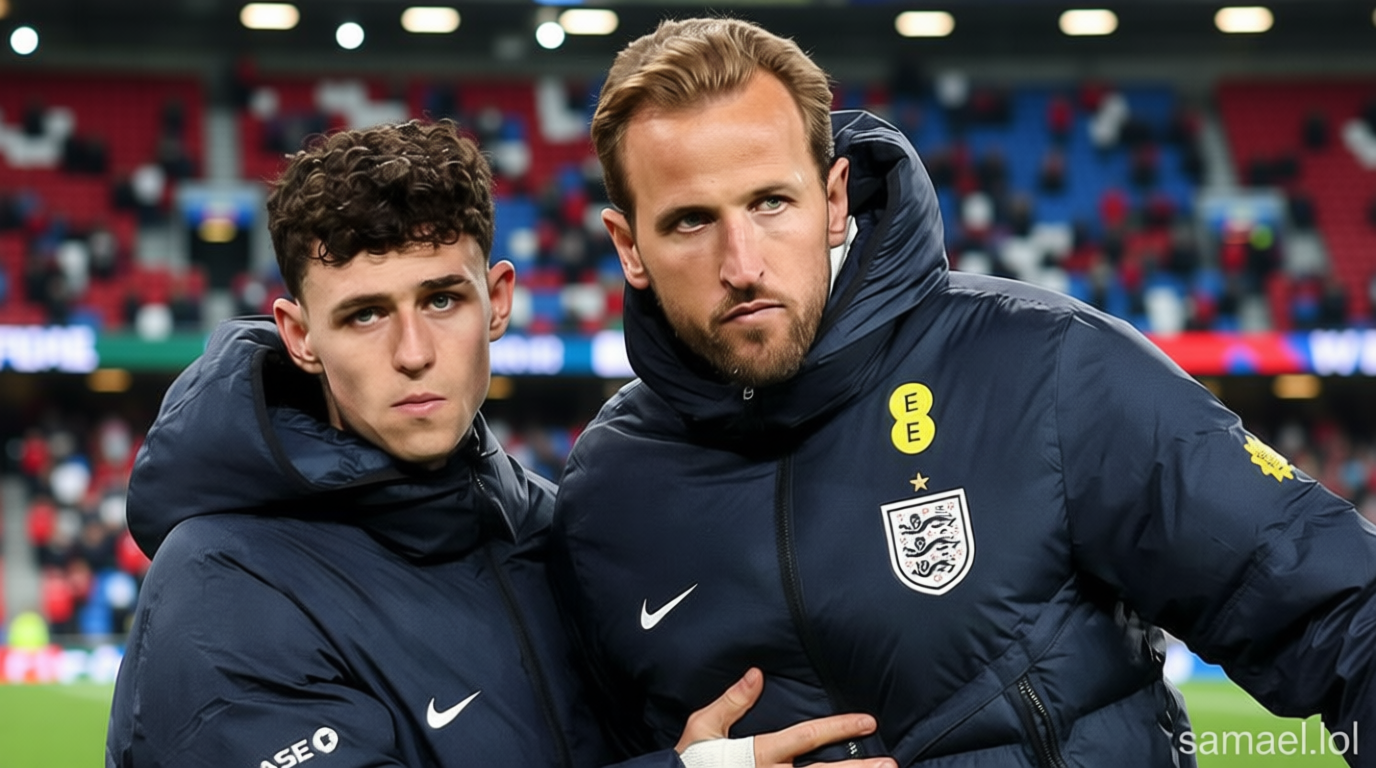
Samael.lol – In a strategic gamble, England’s Thomas Tuchel deployed Phil Foden in an unconventional false-nine role, leaving captain Harry Kane sidelined due to injury. The move proved costly as the team fell to Japan in a disheartening loss at Wembley. Without Kane, England’s attacking rhythm faltered, and their prospects for World Cup success dimmed dramatically.
A Critical Test for England’s Squad
Tuchel’s decision to rotate players in the absence of Kane highlighted the team’s reliance on the 32-year-old striker. His absence, attributed to a “minor issue in training,” left a void that even a tireless Foden couldn’t fill. The 90-minute encounter against Japan revealed England’s struggles, with creativity and urgency noticeably lacking. The experiment with Foden as a false nine ended prematurely, as Tuchel reverted to a traditional striker in Dominic Solanke.
Japan, ranked 18th in the Fifa standings, presented a formidable challenge. While England had been a dominant force in the rankings, the Asian side’s disciplined defense exposed the team’s shortcomings. The FA had dubbed these friendlies a ‘Send-Off Series,’ but the outcome felt like a harsh indictment of England’s depth. Fans erupted in boos after the final whistle, despite the players’ efforts to salvage the match.
“This is the exact situation no England fan wants. We’ve talked about it for over a season with this World Cup coming up. What do England do without Harry Kane?”
Paul Robinson, former England goalkeeper and BBC Radio 5 Live commentator, voiced the anxiety of supporters. Kane’s absence raised concerns about England’s attacking firepower, particularly as the World Cup opener against Croatia looms in 78 days. His 78 goals in 112 caps are a testament to his excellence, but the drop-off in performance without him is alarming.
Kane’s impact extends beyond statistics. Since his debut against Lithuania in 2015, he’s been involved in 95 of England’s 293 goals, underscoring his irreplaceable role. The World Cup represents a pivotal moment, yet with Kane turning 33 in July, questions linger about long-term succession. England’s striker department, once a source of confidence, now appears underprepared for the tournament’s demands.
Defensive Desperation and the Search for Solutions
As England’s ideas dwindled, they resorted to long balls toward Harry Maguire, hoping his physicality could break Japan’s resilient defense. Maguire’s header cleared off the line was a rare moment of danger, but it wasn’t enough to turn the tide. Tuchel’s frustration was evident, but the coaching staff’s alternatives—Solanke and Calvert-Lewin—failed to spark hope.
This defeat marks a sobering reality check for England. Without Kane, their threat collapses, and the path to World Cup glory looks fraught. Tuchel may argue the matches were necessary preparation, but the urgency to secure Kane’s fitness remains. His return could be the difference between a hopeful campaign and a premature exit.