Trump Signals US Withdrawal from Iran Conflict
Samael.lol – President Donald Trump announced that the United States could depart from the ongoing war with Iran within the next two to three weeks, even if the Strait of Hormuz remains blocked. The White House confirmed that Trump will address the nation later Wednesday night to offer an update on the situation. This declaration follows his assertion that the military campaign against Iran might conclude in a short timeframe.
“We want to knock out every single thing they have,” Trump remarked, indicating a focus on dismantling Iran’s capabilities. He emphasized that the conflict’s resolution would depend on achieving a key objective: eliminating Iran’s nuclear threat.
Meanwhile, US Secretary of State Marco Rubio suggested that the nation would need to reassess its NATO alliance once the war subsides. In an interview with Fox News, Rubio stated that the relationship would be “reexamined” to determine its value for American interests.
“If NATO now prevents us from using these bases to defend America’s interests, then it’s a one-way street,” Rubio argued, highlighting the strategic importance of European military installations.
Trump also criticized NATO allies for their reluctance to support the war effort, stating that their resistance could lead to a quicker US exit. The Iranian foreign minister, Abbas Araghchi, noted that Iran had not yet responded to a 15-point proposal from the US to end hostilities, though he acknowledged receiving a message from US envoy Steve Witkoff.
NATO Relationship Under Scrutiny Post-War
Rubio, who once championed NATO in the Senate, expressed concerns about its evolving role. He claimed that the alliance’s value was tied to the ability of the US to project power globally through European bases. However, he implied that this advantage might diminish if NATO’s structure hinders US strategic goals.
“I think there’s no doubt, unfortunately, after this conflict is concluded, we are going to have to reexamine that relationship,” Rubio stated, underscoring the potential for a shift in US-NATO dynamics.
The European Commission warned of prolonged energy disruptions, urging citizens to adopt eco-friendly habits like remote work and reduced air travel. EU energy chief Dan Jorgensen called for increased efforts in renewable energy development as a response to the crisis.
Strait of Hormuz and Post-War Responsibilities
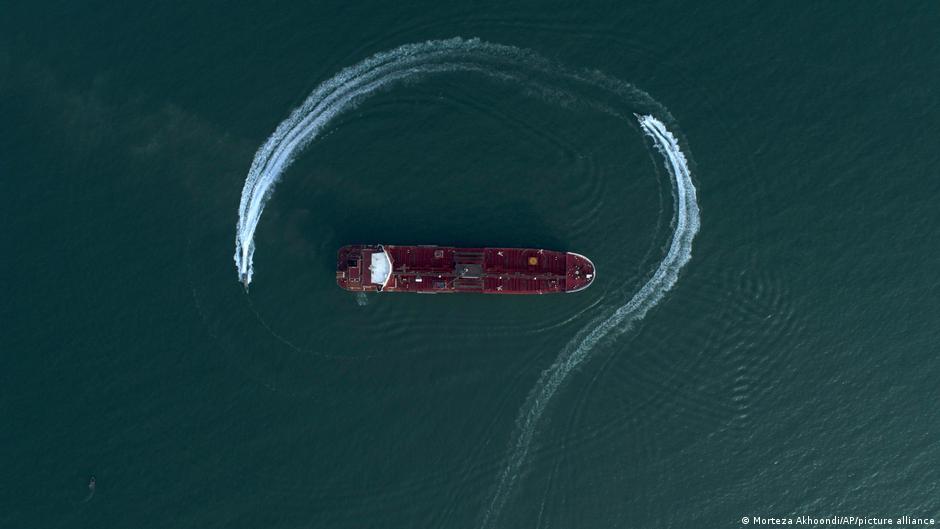
Trump reiterated that securing the Strait of Hormuz would be the responsibility of other nations, stating the US would “not have anything to do with” its reopening. This stance comes after he criticized allies for not doing more to protect the vital waterway.
“If they come to the table, that’ll be good,” Trump added, hinting at potential negotiations if the conflict persists beyond the initial phase.
With live updates set to begin on April 1, 2026, the focus remains on Trump’s plans for a swift conclusion and the broader implications for international alliances and energy security.