UK Government Eyes 2040s Olympics Hosting
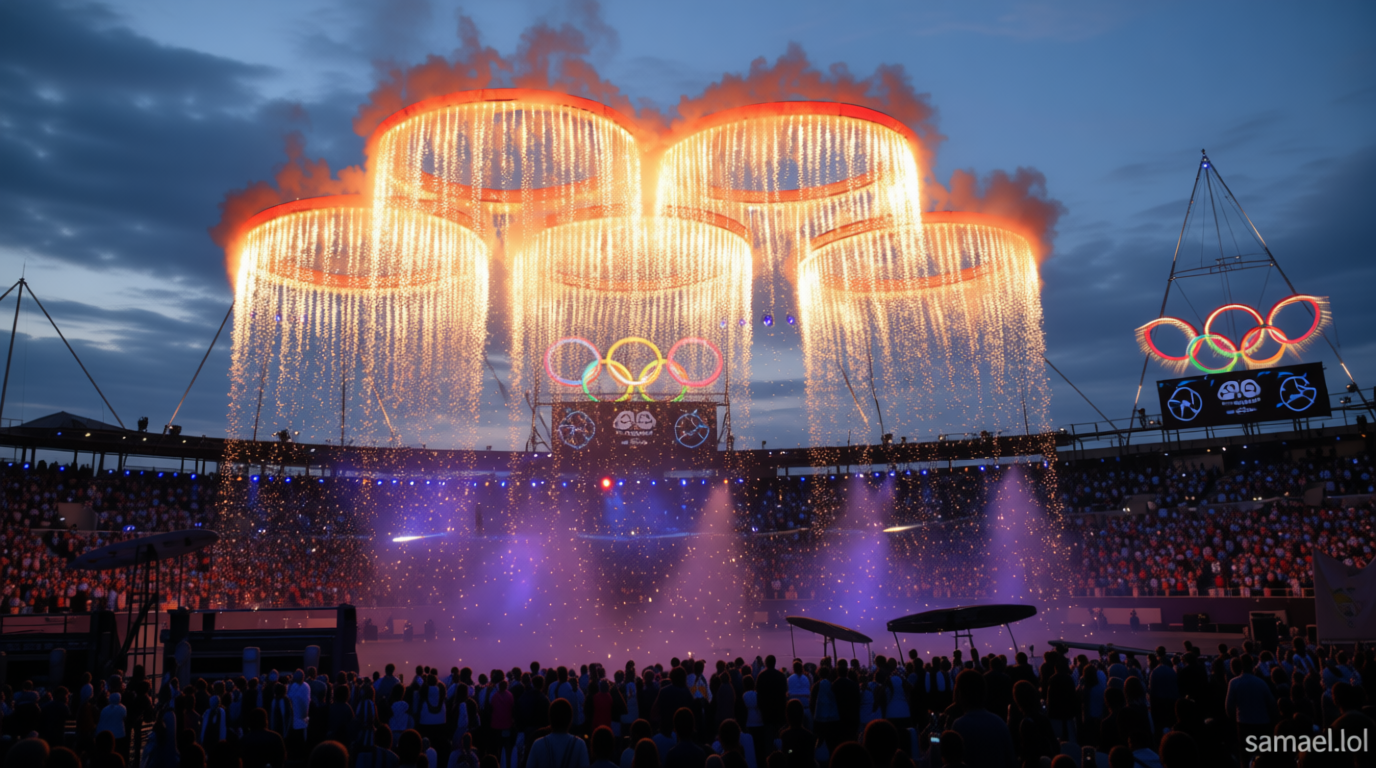
Samael.lol – The 2012 Games in London reportedly cost £8.8 billion to organize, yet the UK government has reignited interest in hosting the Olympics and Paralympics for a fourth time in the 2040s. Officials emphasized that “initial work examining whether the UK could host the Games for the first time since London 2012 will assess key factors such as potential cost, socio-economic benefit, and the chance of success.” This renewed focus aligns with the Department of Culture, Media and Sport’s (DCMS) broader ambition to position the UK as a global leader in hosting major sports events. The department also highlighted its consideration of bids for the Ryder Cup and Solheim Cup in the 2030s, aiming to build a sustainable legacy in international competition.
Historical Context and Current Momentum
The last time the UK hosted the Ryder Cup and Solheim Cup was in 2014 and 2019, respectively, both events taking place at Gleneagles in Scotland. This has sparked renewed discussions about reviving the UK’s hosting capabilities for the Olympics, with growing support from local leaders. Last year, London Mayor Sadiq Khan publicly called for the city to submit a bid for the 2040 Games, adding to the momentum. The International Olympic Committee (IOC) has yet to finalize host cities for 2036 and beyond, with Los Angeles and Brisbane already securing the 2028 and 2032 slots. This leaves room for potential competition, with the UK vying to claim its place in the next cycle.
As part of a new ‘sporting events framework,’ the government is exploring measures to enhance the viability of future bids. A recent proposal suggests making it a criminal offense to resell tickets for specific events, such as Euro 2028, without authorization. This move aims to simplify the bidding process by ensuring more tickets are available at face value, rather than being hoarded by ticket touts and sold at inflated prices. While the legislation was announced in November, it currently excludes football from its scope, highlighting the government’s tailored approach to different sports.
Regional Interest and Strategic Bids
In February, a coalition of political leaders advocated for hosting the Olympics in the northern regions of England, citing a “compelling” case for the area’s infrastructure and cultural appeal. This push comes as the UK Sport funding agency considers co-hosting arrangements, with the chair of the organization suggesting Liverpool and Manchester as potential partners. Such a collaboration could leverage the strengths of multiple cities, creating a more robust bid than a single location.
Meanwhile, the Ryder Cup remains a focal point for northern bids. Bolton has emerged as a strong contender to host the event in 2035, marking the first time it would be staged in England since 1989. If successful, this bid would not only boost local tourism but also solidify the UK’s role in team golf competitions. The Solheim Cup, a parallel event featuring elite female golfers from Europe and the US, is also under scrutiny. England Golf recently urged the government to underwrite its bid to stage the contest for the first time, underscoring the nation’s ambition to diversify its sporting profile.
Euro 2028 and Global Competitiveness
The UK’s involvement in international sports events extends beyond the Olympics. England, Scotland, Wales, and the Republic of Ireland are set to host Euro 2028, a major tournament that will test the country’s ability to manage large-scale events. The government is also the sole bidder for the 2035 Women’s World Cup, demonstrating its commitment to expanding opportunities for women in global sports. These initiatives are part of a strategy to showcase the UK’s capacity to host a variety of competitions, from the Ryder Cup to the Commonwealth Games, which will take place this summer.
With the IOC yet to determine host cities for the 2036 and 2040 Games, the UK’s bid for the 2040 Olympics is gaining traction. The department’s plan includes a thorough evaluation of economic returns, logistical feasibility, and public support. For instance, the 2012 Games generated significant media attention and tourism revenue, but their long-term benefits remain a subject of debate. The government hopes to build on this by addressing challenges such as rising costs and ensuring equitable ticket access, which are critical to the success of any bid.
Expanding the Sports Events Framework
Recent developments in ticket resale legislation reflect the government’s broader goals. By introducing legal penalties for unauthorized ticket sales, it aims to create a fairer environment for fans and reduce the dominance of resellers. This initiative, outlined as part of the new sporting events framework, is seen as a way to attract more international events to the UK. The legislation’s exclusion of football, however, raises questions about its effectiveness in addressing all aspects of ticket pricing and availability.
Alongside the Olympics, the UK is also positioning itself for the 2035 Ryder Cup and 2035 Solheim Cup. These events, which alternate between Europe and the US every two years, will be critical in assessing the country’s ability to handle high-profile competitions. The 2014 and 2019 Ryder Cups at Gleneagles demonstrated the potential for success, but the UK’s next bid for the Solheim Cup could mark a new chapter in its golfing legacy. As the government evaluates all possibilities, the focus remains on creating a competitive and sustainable pathway for hosting future events.
Political and Economic Implications
The government’s push for hosting the Olympics and other major events has sparked a debate on the economic and social impact of such bids. While the 2012 Games were a triumph, they also led to discussions about the long-term costs and benefits for public services. The current proposal for the 2040 Games seeks to balance these factors, with officials emphasizing the potential for socio-economic gains. This includes job creation, infrastructure development, and a boost to national pride.
Political leaders have underscored the importance of regional representation, urging the government to prioritize bids from the North of England. This strategy aims to distribute the benefits of hosting across the country, rather than concentrating them in a single city. The recent mention of Bolton’s Ryder Cup bid and the Solheim Cup’s potential move to the UK highlights the growing interest in leveraging regional strengths. As the government works to solidify its bid for the 2040 Olympics, it is also considering how to maximize the appeal of the UK to international organizers.
“A bid has to be an aspiration,” said the chair of UK Sport, emphasizing the need for bold and innovative proposals. “By streamlining ticket resale processes and ensuring fair pricing, we can create a more attractive environment for hosting major events.”
The upcoming events in the UK this summer, including the Women’s T20 World Cup and European Athletics Championships, will serve as a testing ground for the country’s organizational capabilities. These events, combined with the ongoing preparations for Euro 2028, are viewed as opportunities to refine strategies for larger competitions. The government’s commitment to supporting bids for the 2040 Olympics underscores its long-term vision for the UK’s role in global sports. With the IOC’s decision-making process still underway, the UK is actively positioning itself as a viable candidate for the next major cycle of Olympic Games.