Campaigners call for ban on use of weedkiller glyphosate at harvest time
Campaigners call for ban on use of weedkiller glyphosate at harvest time
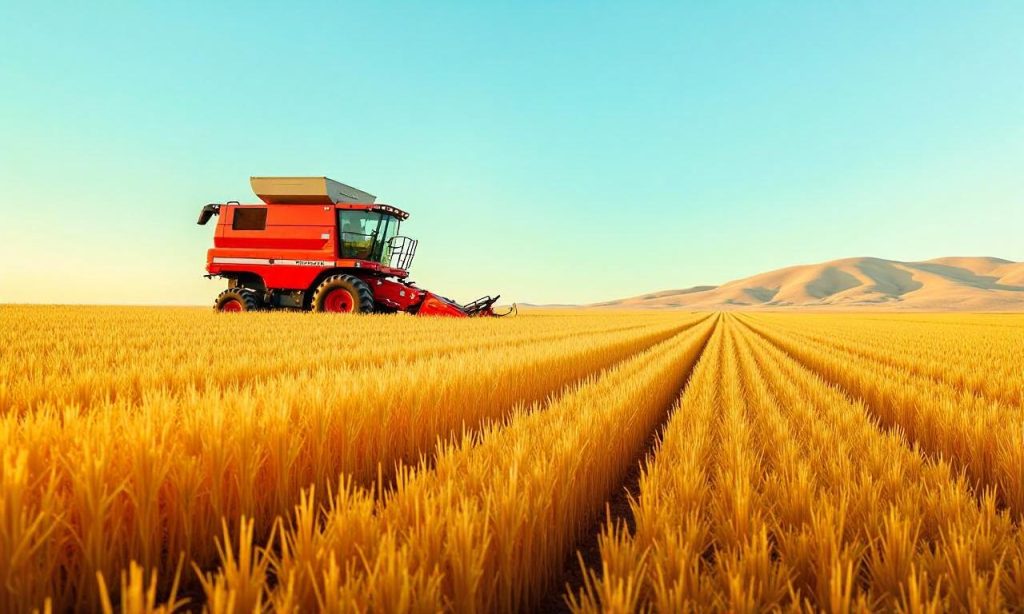
Campaigners call for ban on use – Environmental advocates are pushing for a complete prohibition of glyphosate application to crops in the weeks leading up to harvest, citing potential risks to human health. While some agricultural professionals assert the chemical’s necessity, the Soil Association has raised alarms about its residue in staple foods like bread, breakfast cereals, and beer. The debate centers on the use of glyphosate as a pre-harvest drying agent, a practice that is under scrutiny for its impact on dietary safety.
Scientific concerns and regulatory reviews
Recent studies have hinted at a possible association between glyphosate exposure and health conditions such as cancer, prompting calls for stricter controls. The government’s Health and Safety Executive (HSE) is set to initiate a public consultation to determine whether glyphosate should remain permissible for crop use after its licence expires in December 2026. This move follows a European Union decision to ban the chemical as a pre-harvest desiccant in 2023, a step that UK campaigners are now urging the nation to mirror.
Despite the EU’s ban on glyphosate as a drying agent, the chemical is still approved for other applications across the continent. The Soil Association recently launched a campaign targeting the UK, aiming to halt the use of glyphosate for this purpose before the HSE’s consultation later this year. Their initiative highlights the growing concern over chemical residues entering the food chain, especially as the final decision on glyphosate’s status approaches.
“The use of glyphosate as a pre-harvest desiccant is a relatively modern practice, but its impact on our food supply is undeniable. It’s not just about the chemical itself, but the traces it leaves in our everyday meals,” said Guy Singh-Watson, founder of Riverford Organic Farmers and a vocal critic of the practice.
Singh-Watson clarified that the campaign does not seek an absolute ban on glyphosate in the UK, but rather a restriction on its application “just days before harvest.” He emphasized the importance of this distinction, noting that while glyphosate is widely used, its role as a drying agent is increasingly questioned. “I’m not arguing against its general use, but the practice of spraying it onto crops in the final stages of growth is a problem,” he added.
Roundup, the herbicide that contains glyphosate, was first introduced by Monsanto in the 1970s and became a household name for its effectiveness in weed control. Its patent expired in 2000, allowing multiple manufacturers to produce and distribute the chemical. Bayer, the German biotech company that acquired Monsanto, maintains that no regulatory body has conclusively classified glyphosate as carcinogenic. This stance has fueled ongoing discussions about its safety.
Despite Bayer’s position, some critics argue that glyphosate’s safety profile has evolved over time. Singh-Watson pointed to other chemicals previously deemed safe that have since been banned, expressing skepticism about the current regulatory framework. “If we’ve seen similar substances restricted in the past, then why should we trust glyphosate to be exempt?” he questioned.
Farmer perspectives and practical needs
On the other side of the debate, farmers like Dave Bell, a leader in the Voluntary Initiative for Plant Protection, defend the continued use of glyphosate. “Glyphosate is essential for managing weeds efficiently and maintaining soil health,” Bell explained. “Without it, we’d have to rely on more fuel-intensive methods to dry crops before harvest, increasing our carbon footprint.”
Bell outlined the challenges of relying on alternative weed control methods, highlighting the need for glyphosate in ensuring a sustainable and affordable food supply. “It’s not just about convenience; it’s about reducing wear and tear on machinery and keeping our farming practices viable,” he stated. His arguments reflect the broader concerns of agricultural groups that see glyphosate as a critical tool in modern farming.
“Glyphosate is an essential tool for our farmers and growers,” said Paul Tompkins, deputy president of the National Farmers Union (NFU). “It helps make harvesting easier, control weeds, and reduce disease in crops, ultimately supporting sustainable food production.” Tompkins called for the UK to extend glyphosate’s approval for a full 15 years, citing global regulatory bodies that have consistently found the chemical safe when used responsibly.
The government maintains that glyphosate is strictly regulated and only approved if its safety is verified. This year, ministers extended its authorisation to provide regulators with additional time to evaluate new evidence. The HSE’s upcoming two-month consultation will assess whether glyphosate should be permitted for use beyond December 2026, considering the latest scientific data.
While the NFU and other farming organizations support glyphosate’s continued use, the debate remains contentious. In 2015, the International Agency for Research on Cancer (IARC), a branch of the World Health Organization, classified glyphosate as “probably carcinogenic to humans.” This finding has been a cornerstone of the campaign against its use, especially in the final stages of crop growth.
More recently, a coalition of international scientists reviewed over a decade of research and concluded that glyphosate and glyphosate-based herbicides (GBHs) “harm human health and can cause cancer” at current usage levels. Their expert statement argues that the evidence is robust enough to warrant immediate regulatory action, stating, “No further delays in glyphosate’s regulation can be justified.”
As the UK prepares to decide on the chemical’s future, the focus remains on balancing agricultural efficiency with public health. While some see glyphosate as a vital component of modern farming, others warn of its long-term consequences. The outcome of the HSE consultation could shape the next chapter in this ongoing debate, influencing how glyphosate is used in the country’s food production system.