Man Utd are closing in on Champions League – how has Carrick done it?
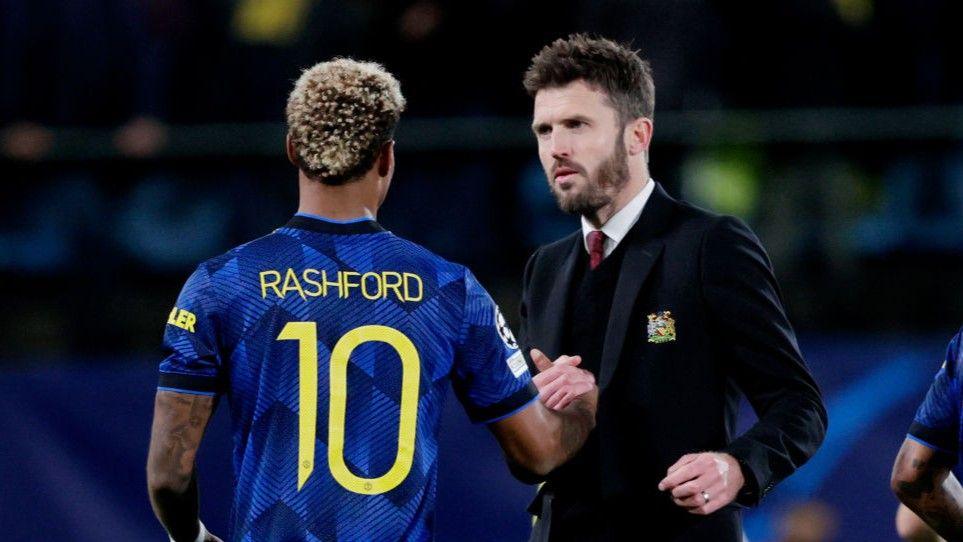
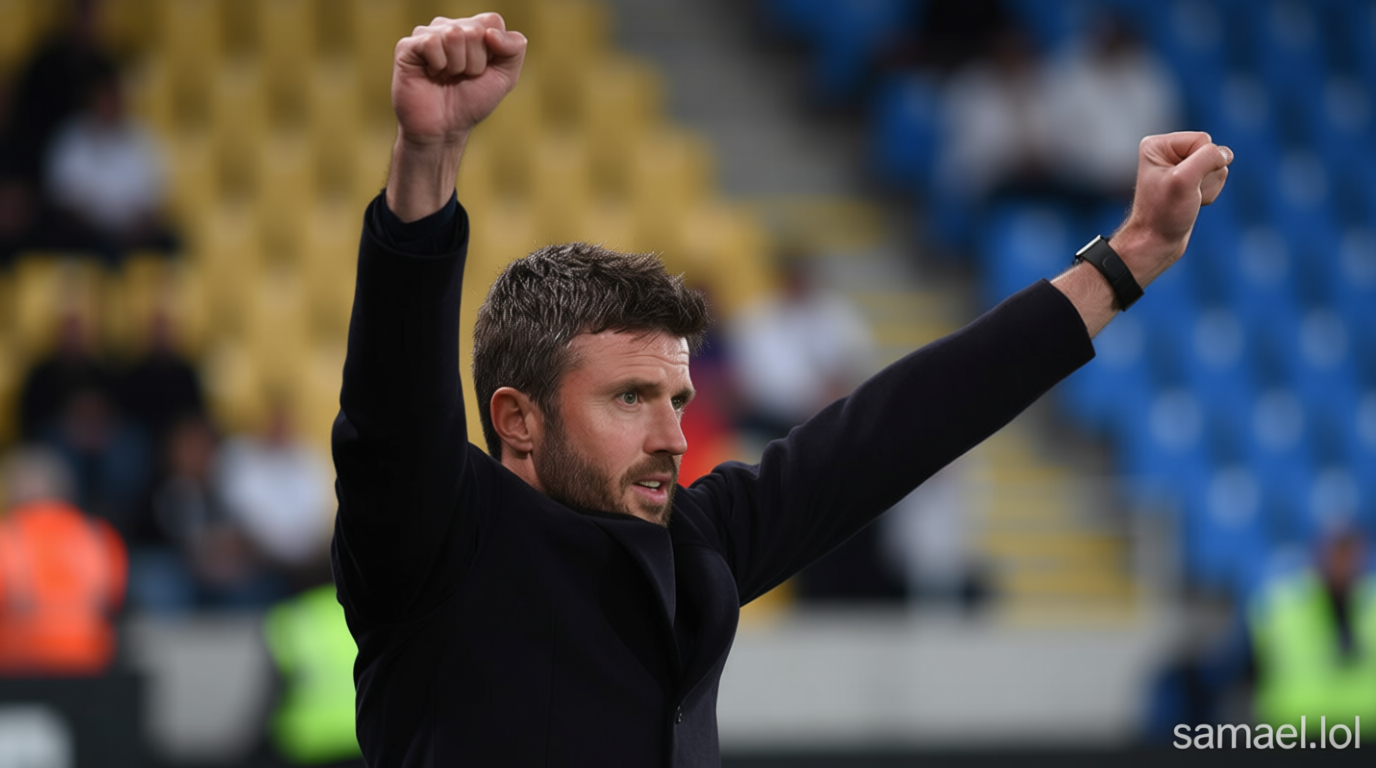
Samael.lol – Just over a month into his interim role, Michael Carrick has transformed Manchester United’s fortunes. After Ruben Amorim’s dismissal on 5 January, director of football Jason Wilcox set a clear goal for the squad: Champions League qualification. This target, once seen as ambitious, now feels attainable.
Wilcox’s message to the players carried weight. The club’s financial plans and public statements had long pointed toward a European return, typically via the Europa League. But with Amorim gone and a caretaker manager needed, the focus shifted. Carrick’s arrival on 13 January marked a strategic pivot, one that has already borne fruit.
United’s current position in the Premier League is far from dire. They’ve suffered just one defeat in nine games, remaining just one point behind fifth place. The early challenges—drawing with Wolves, Leeds, and Burnley—had left them in precarious form, but Carrick’s consistency has steadied the ship.
At Old Trafford, the team now faces Leeds in their next league encounter on 13 April. If they secure four wins and a draw in their final seven matches, a Champions League spot is within reach. With England securing five spots, United’s path is viable. Should they finish third, it would mark their fifth top-three finish in 13 seasons since Sir Alex Ferguson’s retirement.
Managing Man Utd the ‘ultimate role’
Carrick’s approach has been methodical. He abandoned Amorim’s three-at-the-back formation, boosting Bruno Fernandes’ role as captain, and reintroduced Kobbie Mainoo alongside Casemiro. His starting XI has seen only six changes across 10 games, two due to injuries involving Patrick Dorgu and Lisandro Martinez.
Other adjustments have been tactical. Benjamin Sesko replaced Amad Diallo for a Crystal Palace clash, only to be swapped back after a Newcastle defeat. Similarly, Noussair Mazraoui temporarily filled Diogo Dalot’s position at St James’ Park, with Dalot returning once Mazraoui was injured.
Players like Manuel Ugarte, Ayden Heaven, and Joshua Zirkzee have found regular playing time, showing Carrick’s trust in his squad. The club’s extended break—23 days without a match—has allowed for strategic rotation, but his impact extends beyond logistics.
“I’m not going to sit here and get angry with you if that’s what you’re asking,” Carrick remarked before the 2-2 draw at Bournemouth. His calm demeanor contrasts sharply with Amorim’s emotional outbursts, which led to controversial remarks in press conferences.
Within Carrington, Carrick’s presence has brought a sense of stability. His relaxed approach, described by insiders as the “ultimate role,” has fostered a more focused environment. Meetings with Wilcox have become less frequent, reflecting fewer urgent decisions to make.
Club sources highlight Carrick’s emphasis on simplicity. By stripping training sessions to basics, he’s reignited a sense of purpose. This has translated into sharper performances, with players reporting increased motivation and clarity in their roles.