Who were Scotland’s winners and losers from international break?
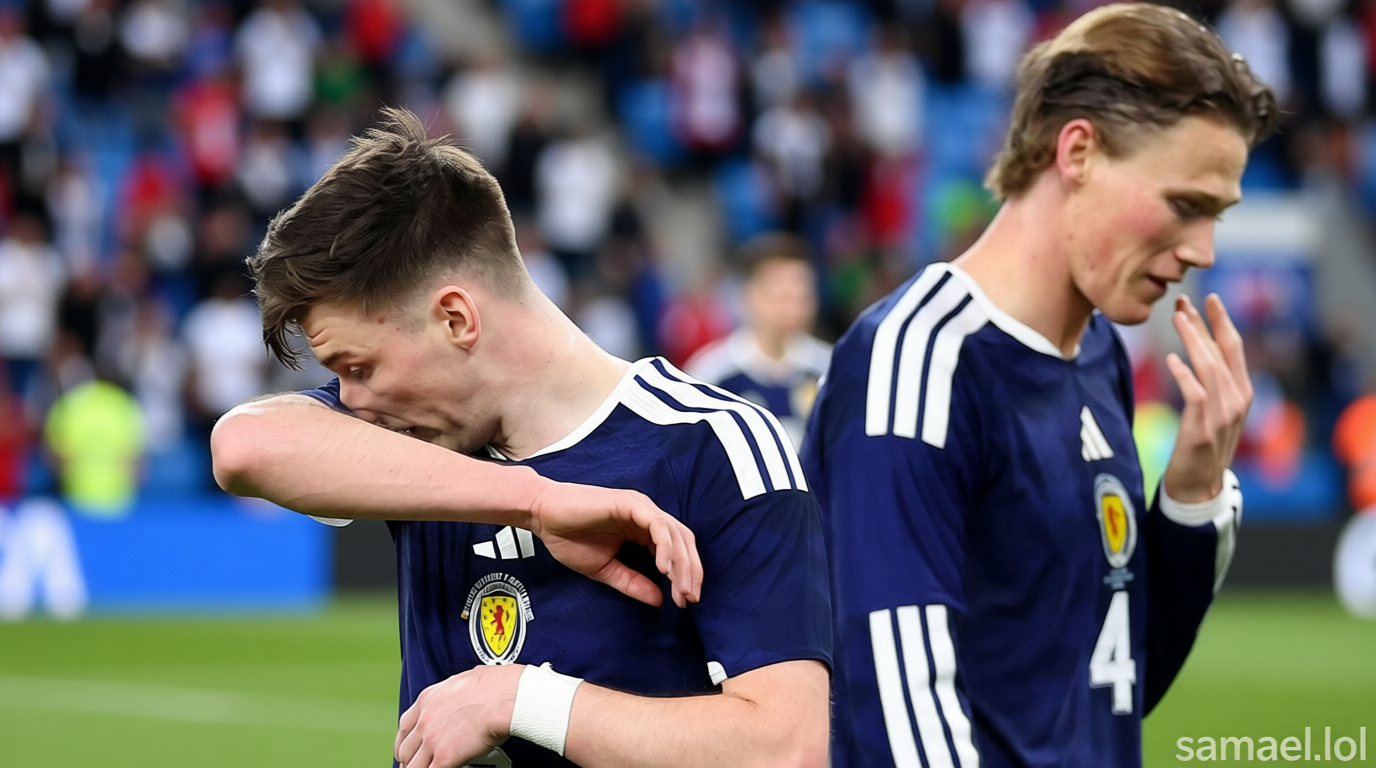
Samael.lol – Steve Clarke’s World Cup squad selection process received a test during the recent friendly matches against Japan and Ivory Coast. These games provided an opportunity to evaluate less-established players, yet the results were underwhelming as Scotland suffered two consecutive 1-0 losses. Key figures such as Kieran Tierney and Scott McTominay remained consistent in Clarke’s lineup, but the competition for limited spots was fierce. The tournament opener against Haiti on 14 June will serve as a critical benchmark for the squad’s readiness.
Defensive Line Up and Selections
Clarke experimented with different defensive formations during the two games. Against Japan, Jack Hendry and Scott McKenna occupied the center-back positions in a four-man setup, while against Ivory Coast, Dominic Hyam and John Souttar joined Tierney in a back-three configuration. Hendry and McKenna displayed composure in dealing with crosses, though their pace was notable. Souttar contributed a crucial block, and Hyam remained error-free in his debut. Meanwhile, Ross McCrorie performed solidly at right wing-back, whereas Nathan Patterson showed some rust in his first appearance.
Goalkeeper Controversy and Possibilities
The goalkeeping selections sparked debate. Angus Gunn started against Japan, with Liam Kelly and Scott Bain each earning 45 minutes in Liverpool. Kelly’s slow response allowed a decisive goal, but Bain impressed with a vital save against Manchester United’s Amad Diallo. If Craig Gordon joins Gunn in the U.S., Bain’s form might elevate his status as a potential third-choice goalkeeper.
Young Talent and Their Showcases
Kilmarnock’s Findlay Curtis and Udinese’s Lennon Miller were standout additions to the squad. Curtis, a teenage winger, made his senior debut against Japan but struggled to make an impact. Miller, another young player, was overlooked in the second match despite the presence of experienced forwards like Lewis Ferguson and Kenny McLean. George Hirst, representing Ipswich Town, emerged as the most effective forward, demonstrating work ethic and playmaking ability, even if he failed to convert chances.
“Whenever I get a chance to step onto the pitch, my goal is to perform to the best of my ability,” Hirst said after the match. “If I can keep doing that and doing it for Ipswich, it will stand me in good stead. I’m getting in the positions and on another day I would have come off with a couple of goals. Hopefully, they start going in.”
Rachel Corsie, former Scotland captain, acknowledged Hirst’s contribution. “He was really lively,” she remarked. “He won balls in the final third and didn’t quite get a clear opportunity. I felt it was a positive performance from him.”
Coach’s Assessment and Future Outlook
Scotland’s inability to secure a win raised questions about players not selected or unavailable. Lawrence Shankland’s goal-scoring potential and Kieron Bowie’s physicality were highlighted as possible assets. With the next friendly against Curacao in May, Clarke will have one more chance to refine his choices before the World Cup begins. The lack of goal output in both matches underscores the need for forwards to improve their finishing.