Met to deploy 4,000 officers to manage rival protests in London
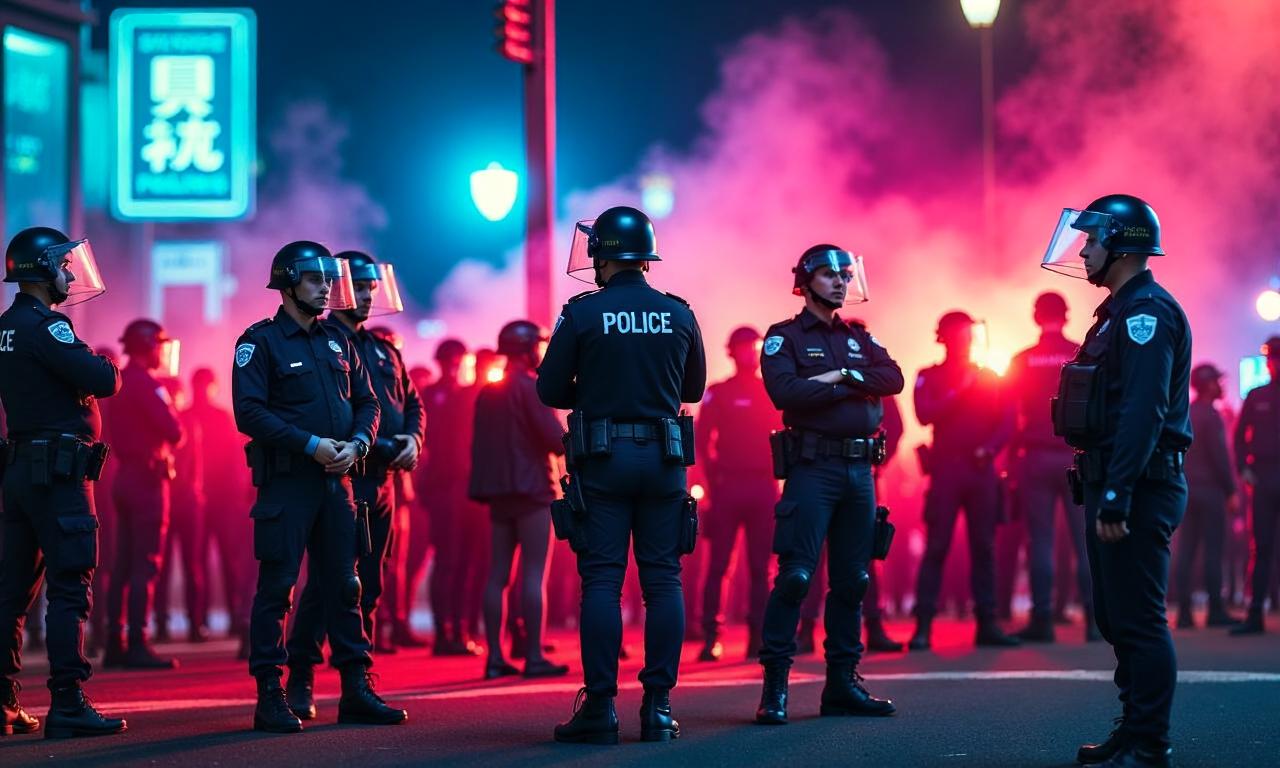
Samael.lol – London’s Metropolitan Police has announced plans to allocate over 4,000 officers to oversee two competing demonstrations on Saturday. The deployment aims to mitigate risks of violence and hate speech, which officials fear could escalate between pro-Palestine marchers and far-right activists. This is likely one of the most substantial protest operations in recent years, with the force emphasizing the need for heightened vigilance due to the potential for clashes between the groups.
Amplified Challenges Amid Major Events
Adding to the complexity of the situation, the FA Cup Final at Wembley Stadium is expected to draw tens of thousands of football fans, further straining the capital’s police resources. Scotland Yard has stated that these combined pressures necessitate the “highest degree of control” to ensure public safety. The planned measures include the first use of live facial recognition cameras at a protest, a move that signals the force’s commitment to advanced surveillance techniques.
Specialized equipment, such as drones and riot gear, will be deployed to monitor crowds and prepare for any disruptive incidents. A total of 660 officers are set to arrive from outside London, highlighting the scale of the effort to separate the two events. The Met’s strategy involves strict route regulations for both demonstrations, requiring organizers to assume responsibility for the conduct of speakers on stage.
Rival Events and Community Tensions
The demonstrations, organized by Stephen Yaxley-Lennon—known as Tommy Robinson—and the annual Nakba Day protest, are occurring in different parts of central London. Harman noted that the events coincide with heightened anxieties within both Jewish and Muslim communities, as well as the recent elevation of the national terrorism threat level to its second-highest rating. “These factors demand a robust policing plan to address the movement of large groups and the possibility of serious disorder,” he explained.
While the Met cannot ban either event, it has called for “most assertive” powers to prevent any convergence between the protests. The £4.5m initiative includes provisions allowing officers to stop and search individuals suspected of inciting unrest, with the goal of dispersing potential troublemakers from the city center. The force has also positioned armoured vehicles as a backup option, a step not taken in London for a notable period.
Precedent and Legal Framework
The Unite the Kingdom event, staged by Robinson in September, attracted at least 100,000 participants, resulting in several confrontations with police and instances of anti-Muslim hate speech. This history has underscored the need for strict oversight, with the Met now implementing measures to prevent similar disruptions. Harman emphasized that the law limits the police’s ability to halt a march unless they lack the capacity to manage risks, which is not the case here.
Under current legal guidelines, the Home Office has barred seven individuals from attending Saturday’s demonstrations. These people are expected to be charged with hate speech offenses, including chants referencing “intifada” during the pro-Palestine march. “We will act decisively if the speech is deemed hateful and intimidating, regardless of its historical or academic justification,” Harman stated. The Met is also ensuring that protest routes are designed to minimize the chance of community-specific intimidation.
Contingency Plans and Officer Allocation
Harman acknowledged that while the armoured vehicles are part of the contingency strategy, they have not been utilized in London for a significant time. “We will only deploy them if we face extreme violence, but they serve as a critical support tool,” he added. The Met’s focus remains on maintaining order through proactive policing, with officers expected to manage both events separately without needing to escalate to full-scale force.
The Met’s approach also involves equipping all personnel with riot gear, a measure intended to prepare for any sudden outbreaks of disorder. The use of live facial recognition technology marks a new phase in crowd monitoring, reflecting the force’s adaptation to modern challenges. These steps underscore the Met’s readiness to handle the combined pressures of the protests and the football crowd, ensuring that no single event overwhelms the available resources.
Public Safety and Community Impact
Harman stressed that the force’s primary objective is to safeguard all attendees and prevent any escalation between the two groups. “We have the capacity to keep these events separate, which is essential for maintaining safety across the city,” he said. The Met’s plan also includes close collaboration with prosecutors to swiftly address any hate speech violations, ensuring legal accountability for individuals involved in the demonstrations.
With the threat of violence and the potential for community tensions to flare, the Met has emphasized its preparedness to enforce strict control. The deployment of 4,000 officers represents a significant shift in focus from routine crime-fighting to managing the unique dynamics of the protests. This includes diverting personnel from other duties to ensure the events are adequately policed, as well as monitoring for any signs of organized disruption.
While the Met remains confident in its ability to separate the groups, it has also highlighted the historical context of the Unite the Kingdom event. The September gathering, which drew massive crowds, set a precedent for the current scale of planning. The force aims to avoid similar clashes by imposing rigorous conditions on protest routes and coordinating with event organizers to prevent any accidental convergence.
Collaboration and Legal Authority
Specialist units will work alongside prosecutors to evaluate and respond to hate speech incidents in real time. This includes the potential for arrests if chants or slogans are deemed offensive to specific communities. Harman’s statement reinforces the Met’s stance on intolerance, noting that they are prepared to take action even if the language used is rooted in historical context.
The Met’s decision to use live facial recognition and armoured vehicles reflects a broader trend of integrating technology and heavy equipment into public order management. These tools are intended to provide an extra layer of security, particularly in light of the national terrorism threat level being raised. The force’s emphasis on “assertive” powers highlights its determination to control the situation without relying on external intervention.
As the weekend approaches, the Met’s preparation has drawn attention to the delicate balance between free speech and public safety. With both protests drawing diverse crowds and the football match adding another layer of activity, the force’s strategy aims to manage the city’s traffic, crowd dynamics, and potential for conflict. The deployment of 4,000 officers underscores the scale of the challenge and the Met’s readiness to respond to any emerging threats.
Harman concluded that the Met’s comprehensive approach ensures that all possible scenarios are covered. From live facial recognition to armoured vehicles, the force is leveraging its full range of resources to protect the public and maintain order. This weekend’s operations will serve as a test of the Met’s ability to handle large-scale events in a city where tensions are high and the potential for unrest is significant.
For updates, follow BBC Radio London on Sounds, and connect with BBC London via Facebook, X, and Instagram. If you have story ideas, email hello.bbclondon@bbc.co.uk.