DR Congo Cancels World Cup Training Camp Over Ebola Outbreak
Outbreak Forces Rescheduling of National Team’s Preparations
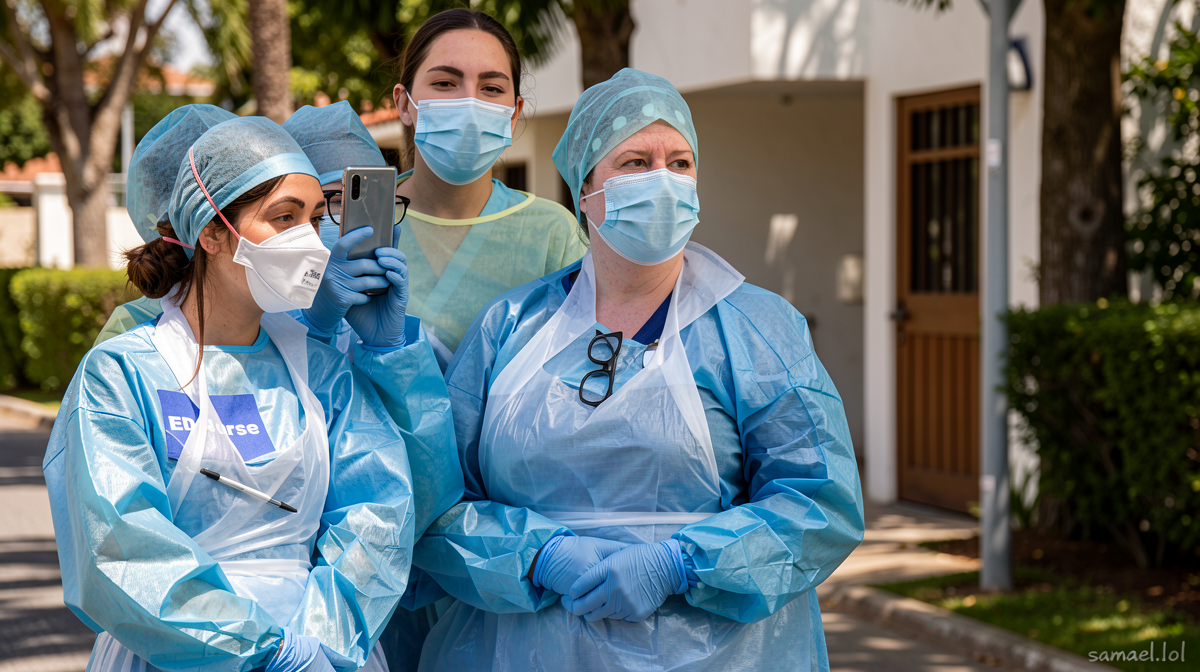
Samael.lol – The Democratic Republic of Congo (DRC) has suspended its World Cup preparation activities in the capital, Kinshasa, due to a surge in Ebola cases in the eastern regions of the country. This decision comes as the nation grapples with a rapidly spreading health crisis, prompting the relocation of all training sessions to Belgium. The outbreak, which has claimed over 130 lives, has raised concerns among international stakeholders, though the World Health Organization (WHO) has categorized it as a “public health emergency of international concern” rather than a full-scale pandemic.
The national football team’s spokesperson, Jerry Kalemo, addressed the situation in a statement to international media, confirming that the training camp has been abandoned. “Our players are now preparing in Belgium, where the risk of transmission is lower,” Kalemo said. The team remains committed to its schedule, which includes two crucial friendly matches in Europe. These games, set for 3 June against Denmark in Belgium and 9 June against Chile in Spain, are considered vital for the squad’s readiness ahead of the World Cup.
The move to Belgium was necessitated by stringent travel restrictions imposed by the United States, which is hosting the tournament alongside Mexico and Canada. The U.S. health agency has banned entry for non-Americans who have visited DR Congo, Uganda, or South Sudan within the past 21 days, as a precautionary measure against the virus. This restriction has ensured that the DRC’s footballers and their French coach, Sébastien Desabre, will not be affected by the ban, since they are currently based outside the country.
The outbreak, centered in the eastern province of Ituri, has created a significant challenge for the DRC. While Kinshasa, the capital, remains relatively unaffected, the virus has spread to remote areas, with the WHO reporting 139 confirmed deaths from 600 suspected cases as of Wednesday. However, the Congolese health minister, Samuel Roger Kamba, provided a slightly different figure, stating that authorities had recorded 159 fatalities. The discrepancy highlights the ongoing efforts to track and manage the situation.
The current outbreak is attributed to a rare strain of Ebola known as Bundibugyo, which has proven more difficult to contain than previous variants. With no existing vaccine for this particular species, the WHO has estimated that it may take up to nine months to develop an effective jab. This timeline adds urgency to the situation, as the DRC prepares for its first World Cup appearance since 1974.
The decision to cancel the training camp in Kinshasa was made to minimize the risk of infection among players and staff. While the city has not reported any cases, its proximity to the affected Ituri province—approximately 1,800 kilometers away—has raised alarms. The original event in Kinshasa was expected to draw thousands of fans and feature a high-profile appearance by President Felix Tshisekedi. Now, the focus has shifted to ensuring the team’s safety while maintaining their competitive edge.
The DRC’s move to Europe for preparations underscores the global reach of the outbreak. Belgium, as a host country, has become the temporary base for the team’s activities. This relocation allows for continued training without exposure to the virus, which has already disrupted local healthcare systems and daily life. The friendly matches in Belgium and Spain are seen as critical steps in the team’s buildup, providing an opportunity to test strategies and build team cohesion.
Despite the challenges posed by the outbreak, the DRC remains determined to participate in the World Cup. The team’s plan includes a series of matches that will serve as a proving ground for their players. However, the uncertainty surrounding the epidemic could impact their preparation, especially if cases continue to rise. The WHO has emphasized the need for vigilance, warning that the situation requires close monitoring to prevent further spread.
The Bundibugyo strain, which has caused the current outbreak, is known for its ability to mutate and infect both humans and animals. Unlike the more common Zaire strain, which has been the subject of previous vaccines, Bundibugyo presents a new set of challenges. Scientists are working to understand its behavior, but the lack of a dedicated vaccine means that treatment remains limited to supportive care. This has forced the DRC to rely on quarantine measures and hygiene protocols to protect its athletes.
The outbreak has also sparked discussions about the broader implications for public health in the region. While the DRC’s football team has taken proactive steps to avoid infection, the crisis has placed additional strain on healthcare facilities. The government has deployed resources to manage the situation, but the scale of the outbreak has tested the capacity of local infrastructure. This has led to concerns about the impact on other sectors, including education and commerce, which are also feeling the effects of the pandemic.
In an effort to mitigate the spread, the DRC has implemented strict containment measures. These include limiting movement in affected areas and enhancing surveillance systems to detect new cases. The WHO has praised these efforts but urged continued collaboration with international partners to share resources and expertise. The situation in the east remains critical, with health officials working to isolate patients and trace contacts in a bid to curb the epidemic.
The team’s relocation to Belgium has also raised questions about the logistical challenges of international competitions during a health crisis. While the United States has taken a firm stance on restricting travel, other nations may follow suit if the outbreak worsens. This could affect the participation of players from other African countries, adding a layer of complexity to the tournament’s preparations.
As the DRC braces for its World Cup campaign, the focus remains on balancing the need for performance with the imperative of safety. The training camp in Belgium is expected to be a key factor in the team’s success, allowing them to fine-tune their tactics and build confidence. However, the uncertainty surrounding the outbreak means that every step must be carefully considered.
The national team’s spokesperson emphasized the importance of the friendly matches in the lead-up to the World Cup. “These games are essential for us to adapt and prepare for the challenges ahead,” they stated. The DRC’s participation in the tournament represents a significant milestone, and the team is determined to make the most of the opportunity despite the setbacks.
The WHO’s classification of the outbreak as an international emergency has drawn attention to the global nature of the crisis. While the DRC is the epicenter, the possibility of the virus spreading to other regions has been a source of concern. This has prompted a coordinated response from health agencies worldwide, with