The EU’s recipe for trade deals: easy on beef, tough on wine
Samael.lol – Three major trade agreements were finalized with three distinct regions: Mercosur, India, and Australia. While the EU Commission celebrated the Australia deal as a strategic achievement, agricultural stakeholders in the bloc remain frustrated over the terms of the Mercosur pact. The backlash against the agreement with Argentina, Brazil, Paraguay, and Uruguay has not deterred the Commission from maintaining its dual strategy in trade negotiations. On one side, it has shown flexibility on basic agricultural products like beef, while on the other, it has pursued stricter conditions for high-value exports such as wine, Geographical Indications (GI), and automobiles.
Concessions and challenges in Mercosur
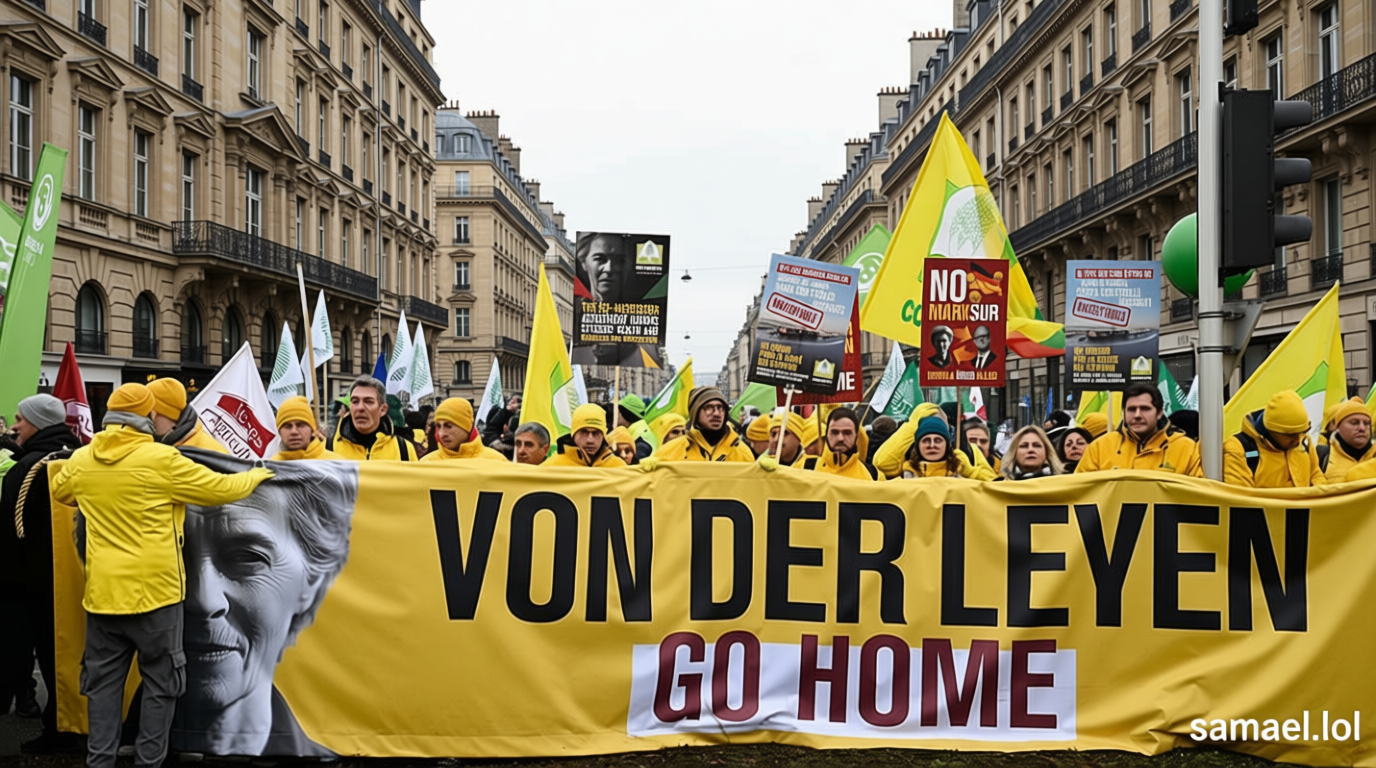
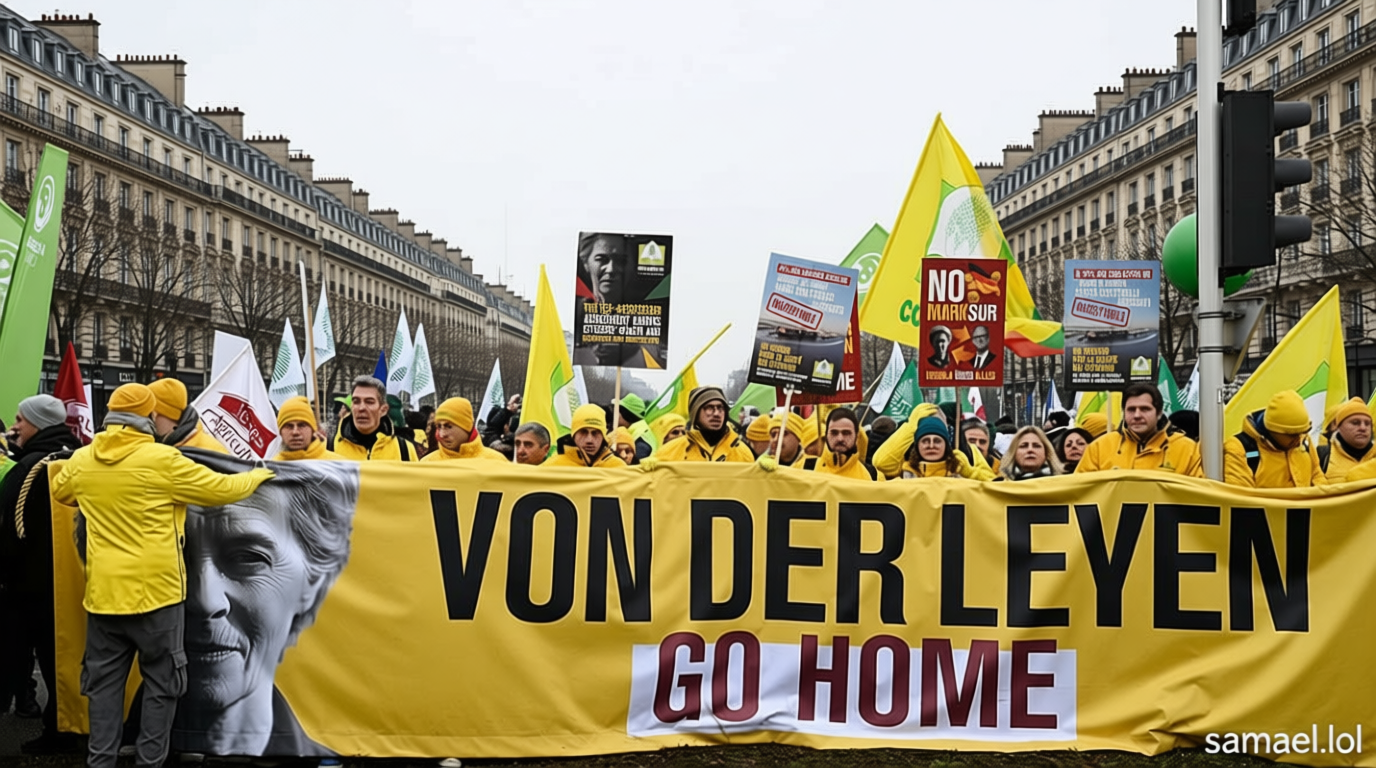
The Mercosur deal, which sparked significant controversy, has left European farmers uneasy. Concerns over increased competition from meat imports have led to vocal opposition, despite the Commission’s efforts to balance market access with protective measures. Under the agreement, quotas for beef, pork, and poultry were set at 99,000, 25,000, and 188,000 tonnes annually, respectively. EU producers argue that successive agreements have led to a steady influx of imports, undermining their interests.
“The EU has all the assets to be an agri-food power,” said Luc Vernet of Farm Europe, a Brussels-based think tank focused on exports. “We should develop a broader strategy covering all sectors and quality levels, because the European model delivers exceptional quality—not just in luxury items.”
In contrast, the Australia negotiations saw fewer disputes over agricultural products. However, tensions arose during prolonged talks, particularly in 2023, when the EU resisted granting Australia’s request for 40,000 tonnes of beef annually. The final agreement allows 30,600 tonnes of beef each year, with phased-in quotas for sheep and goat meat, sugar, and rice over varying periods. Brussels also introduced conditions, such as sustainability certifications for sugar and safeguard clauses for sensitive goods like beef, which extend for 15 years, sheep for 12, and rice for 10.
India: a smoother path
The India deal proved less contentious, as New Delhi maintained cautious openness to EU exports while protecting its own dairy sector. EU products, including wine, benefited from tariff reductions, with premium varieties seeing cuts from 150% to 20% over seven years and mid-range items dropping to 30%. Car tariffs were also lowered from 110% to 10%, but under a quota of 250,000 vehicles annually after a decade. This timeline may give Chinese manufacturers time to strengthen their market position.
Despite these gains, the EU’s push for wine protection faced resistance in Australia. The final agreement safeguards over 1,600 European wine GIs and adds more than 50 new ones from 12 member states. Prosecco, for instance, will still permit Australian producers to label their products as such domestically, provided it ties to an Australian GI. Canberra agreed to halt such exports after 10 years. The EU also secured protections for 165 agri-food GIs and 231 spirit drink GIs, but missed removing Australia’s luxury car tax, opting instead for preferential treatment for electric vehicles.
Brussels’ approach to trade reflects a calculated balance between flexibility and ambition, even as it grapples with internal dissent over the long-term impacts of its concessions.