A Long-Awaited Triumph
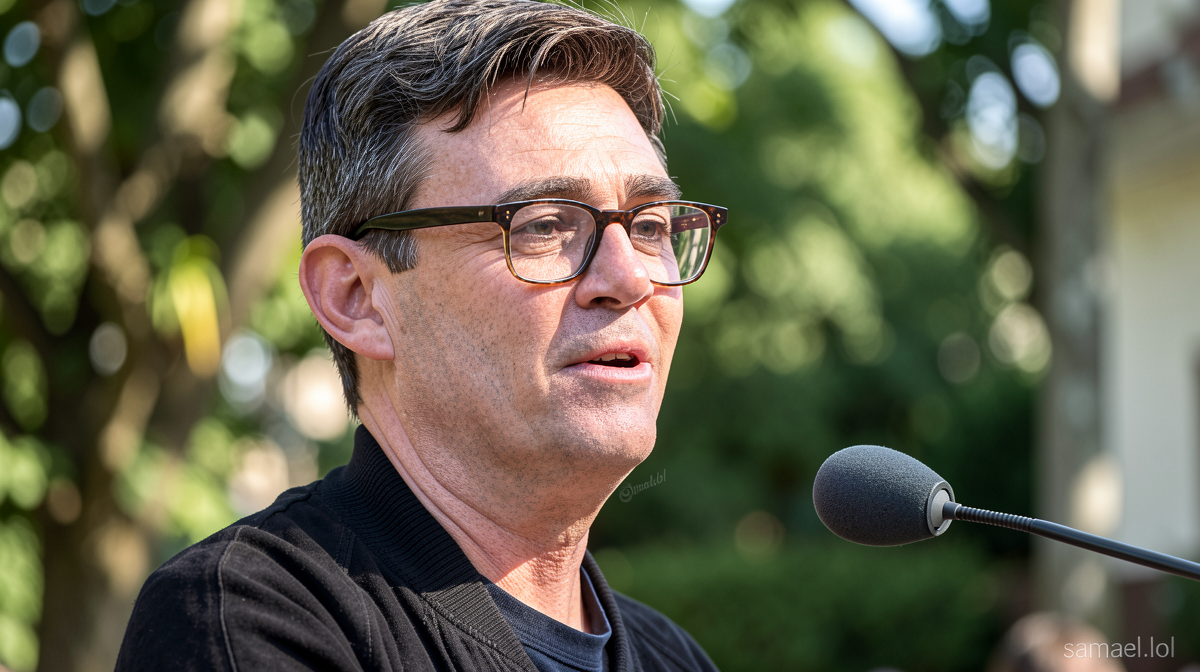
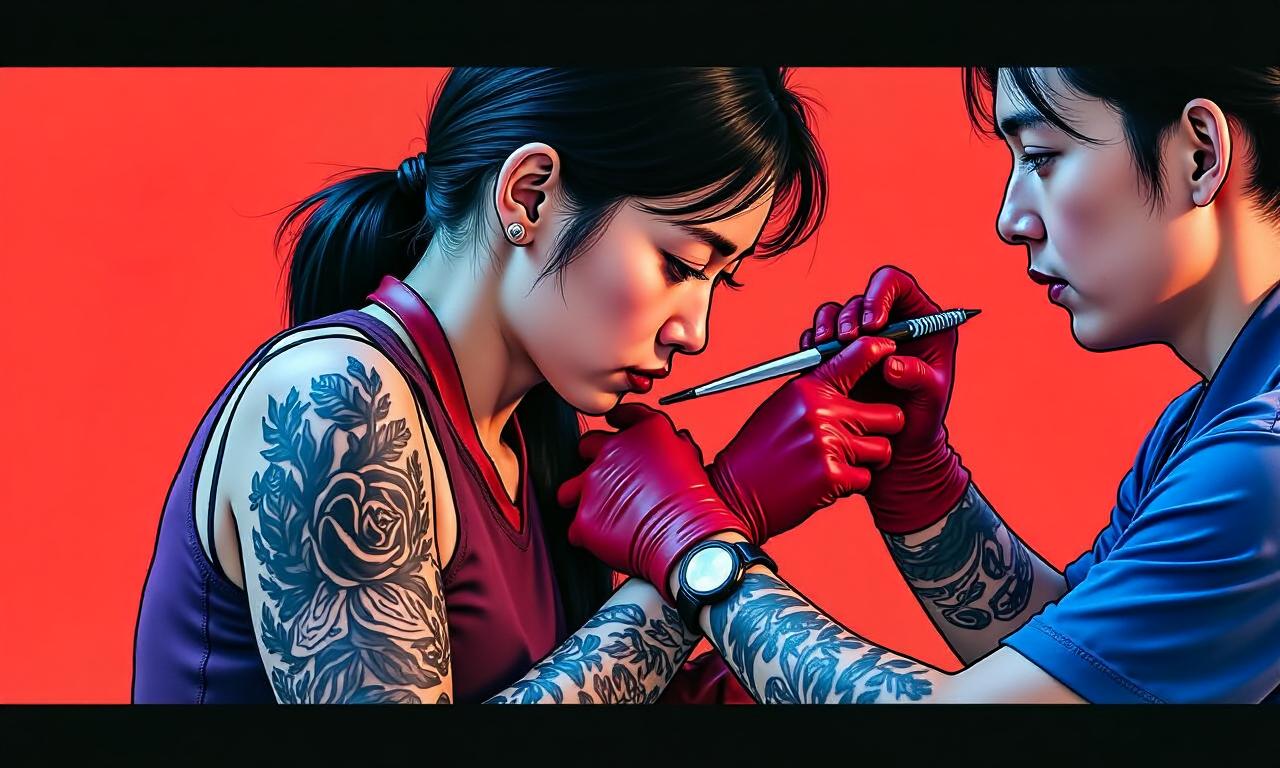
Samael.lol – Last Saturday in Seoul, Kim Tae-nam stepped onto a stage with a sense of triumph that had eluded him for years. The event, titled Ink Bomb, brought together over 90 local tattooists and artists in a vibrant celebration of body art—a craft once shrouded in legal ambiguity. For decades, tattooing in South Korea had been classified as a medical act, a status that left artists in a precarious position. Now, the legal hurdle had been cleared, marking a historic shift for a community that had long fought to be recognized.
From Underground to Spotlight
The gathering in Seongsu, a trendy district in Seoul, was more than just a party. It was a milestone for an industry that had operated in the shadows. Kim, who once used the pseudonym Sunrat Tattoo, described the moment as a long-awaited victory. “This was only possible because of our effort, all your sweat and tears. Let’s hear it from everyone: Tattoos are art!” The crowd responded with cheers, a testament to the cultural movement that had taken root over the years.
“We’ve come a long way,” says Kim. When he began tattooing in 2004, he operated from a basement, hidden from public view. No sign, no invitation—just quiet work in the dark. His first open event in 2008 was met with immediate resistance. “We had to stop because they threatened to arrest or charge us,” he recalls.
The journey to this moment was neither swift nor simple. For 34 years, only licensed doctors could legally perform tattoos, a rule that left artists vulnerable to fines or imprisonment. While the law aimed to ensure hygiene and safety, it also reflected broader social attitudes. In a conservative society, body art remained a symbol of rebellion, often linked to gangsters and criminal activity. This perception only intensified the stigma, making it harder for artists to gain acceptance.
Legal Battles and Cultural Shifts
The turning point came in September when lawmakers finally legalised tattooing by non-medical professionals. This decision followed years of advocacy by artists who had endured fear, harassment, and even violence. According to the Tattoo Union, at least 50 artists received legal support annually, with many facing fines or charges. The struggle was particularly harsh for women, who were frequently targeted by clients who threatened to report them, sometimes leading to self-incrimination.
“The shock from these losses is what moved me to found the union,” says Kim Do-yoon, the organisation’s founder. “Some of the women killed themselves because of the legal struggles they faced.”
Despite these challenges, the profession continued to grow. Government data from 2021 estimated there were around 350,000 tattooists in South Korea, a figure that highlights the resilience of the community. Even as the law changed, the emotional weight of the past lingered. “It still feels surreal to me that I no longer have to worry about this,” says Kali, a tattooist who experienced anxiety throughout her career.
Global Influence and Local Change
The cultural shift was not confined to South Korea. Korean tattooing, with its intricate designs and soft, elegant style, gained international acclaim in the mid-2010s. Artists began sharing their work on social media, introducing the world to a unique aesthetic that combined traditional motifs with modern flair. Fine-line tattoos, in particular, became a hallmark of Korean artistry, appearing in galleries and fashion shows far beyond the borders of the country.
While the law had restricted tattooists for years, the underground scene thrived. Events like Ink Bomb, which drew a diverse crowd—from tattoo artists to punk rockers to parents with their teenagers—were once high-risk ventures. Now, with the new legal status, these gatherings could happen without fear. “We’re back this year for the first time since 2014, and it’s incredible that we can now gather without any fear,” Kim notes.
The Art of Resilience
For many, the event was a long-overdue celebration. Jay Hur, a 48-year-old with a turtle tattoo on his forearm, voiced the sentiment of those in attendance. “It makes no sense that tattooing should be seen as a medical act. Nobody is going to medical school to become a tattooist,” he argues. His words echo the frustrations of a generation that had to navigate a rigid legal framework while preserving their creative identity.
The 1992 ruling, which classified tattooing as a medical procedure, was a cornerstone of the profession’s challenges. It meant that every tattoo session carried the risk of legal repercussions. This created an environment where artists had to be discreet, often working in secret to avoid arrest. “We used to run our studios out of basements,” Kim explains. “There was no sign, and everything was invite-only.”
Breaking Barriers, Building Confidence
As the decades passed, the stigma began to erode. Younger Koreans, influenced by global trends and a growing appreciation for self-expression, embraced tattoos as a form of personal identity. This shift allowed more artists to operate openly, with visible signs and glass windows that invited curiosity. The movement also inspired a new generation to explore the art form, leading to a creative renaissance.
“The new range of tattoos that emerged over the past decade helped lower the barrier,” one artist observes. This evolution coincided with the rise of celebrities who proudly displayed their body art. From Girl’s Generation’s Taeyeon to Big Bang’s Taeyang and rapper Jay Park, public figures played a role in normalizing tattoos, making them a symbol of individuality rather than rebellion.
A New Era for Korean Tattooists
With the recent court decision overturning the 1992 ruling, the future of tattooing in South Korea looks promising. The change has not only granted artists legal freedom but also redefined their place in society. “This was only possible because of our effort,” Kim repeats, his voice filled with emotion. The event in Seongsu was a testament to that hard-fought progress.
Yet, the transition was not without its hurdles. The ban had exposed tattooists to blackmail and sexual harassment, creating a climate of fear. For women, the risk was even greater, as they often faced double standards. The Tattoo Union, founded by Kim Do-yoon, has been instrumental in supporting artists through these challenges, providing a network of legal and emotional aid.
As the community celebrates its newfound legitimacy, there is a sense of both relief and anticipation. The global popularity of Korean tattoos has grown, but the domestic landscape is still evolving. Artists now have the freedom to innovate, experiment, and share their work without the shadow of legal uncertainty. This has sparked a renewed interest in the craft, with more people than ever before exploring its possibilities.
For Kim, the moment was more than just a personal triumph—it was a collective victory. “The crowd hollered in agreement,” he says, reflecting on the energy of the event. “It was a reminder that we’ve earned our place in the art world.” The road to recognition was long, but the end result is a thriving community that has turned the page on decades of struggle.