Canadian from hantavirus-hit cruise ship tests positive
Outbreak on MV Hondius
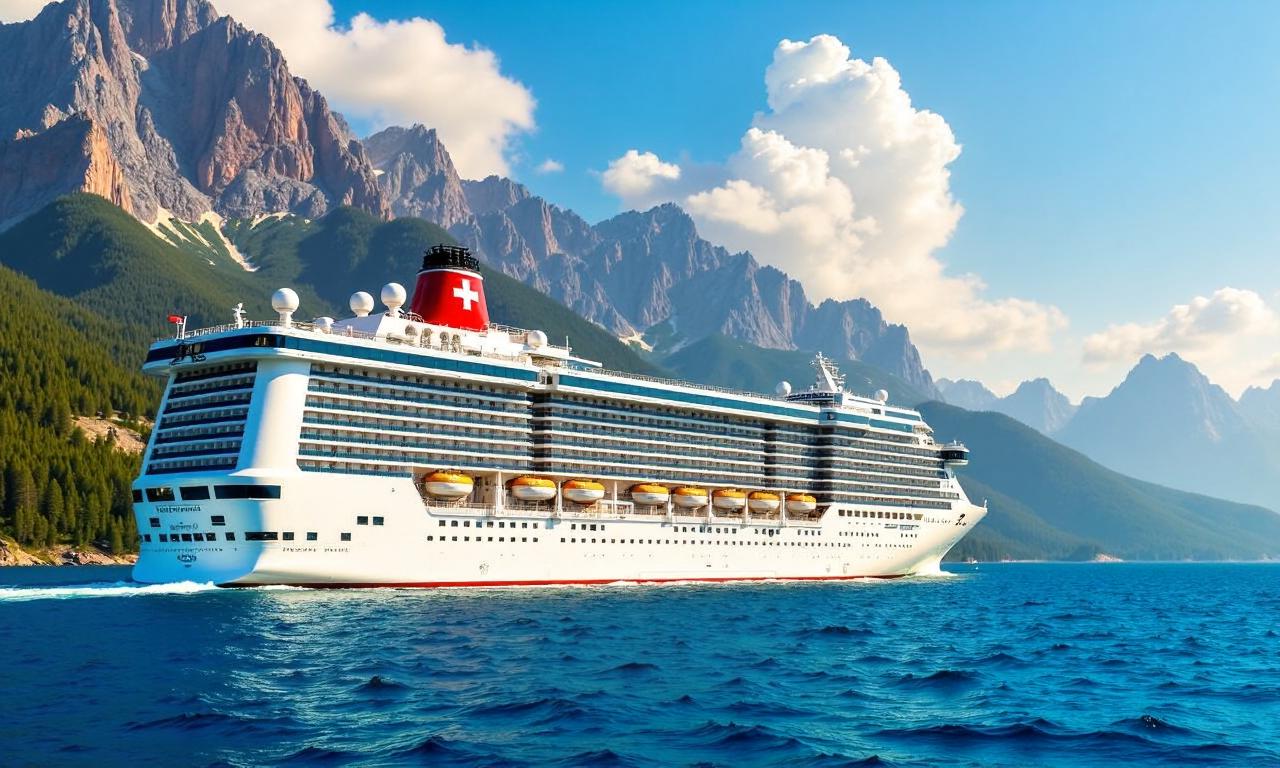
Samael.lol – The MV Hondius, a Dutch cruise ship, experienced a hantavirus outbreak in April, prompting officials in British Columbia to report that a Canadian passenger has now tested positive for the illness. This individual, among four others who were isolated on Vancouver Island after disembarking, showed mild symptoms, according to provincial authorities. The health officer for British Columbia noted that all four had remained in quarantine since their arrival in the country, avoiding public interaction. The confirmed case elevates the total number of hantavirus infections linked to the ship to 11, with all affected individuals being cruise passengers.
The MV Hondius departed from Argentina on 1 April and arrived in Tenerife, Spain’s Canary Islands, less than a week ago. At that point, 147 passengers and crew from 23 countries were given the opportunity to begin isolation procedures. The World Health Organization (WHO) has advised a 42-day isolation period for everyone involved, but British Columbia health officer Bonnie Henry stated that the timeline for Canadians might be modified. The case of the positive test result, which was preliminary, underscores the ongoing vigilance required to monitor the spread of the virus.
Health Officer’s Remarks on the Virus
Dr. Bonnie Henry, the senior health officer for British Columbia, provided clarity on the nature of hantavirus. She emphasized that the virus differs significantly from other respiratory pathogens, such as COVID-19, influenza, and measles, and that it is not classified as having pandemic potential. “Clearly, this is not what we hoped for, but it is what we planned for,” she said, as quoted by the national broadcaster CBC. Her statement aimed to reassure the public about the containment efforts, despite the development of a new case.
“Clearly, this is not what we hoped for, but it is what we planned for,” Dr. Henry said, quoted by national broadcaster CBC.
The health officer added that the hantavirus, which is typically carried by rodents, has a unique transmission pattern. While the Andes strain—believed to have been contracted by some passengers in South America—is capable of spreading between humans, the risk of a large-scale outbreak remains minimal. This assessment is based on the fact that the four individuals in isolation have not interacted with the general public since their arrival in Canada. Dr. Henry’s comments highlight the importance of understanding the virus’s behavior to manage potential risks effectively.
Isolation Measures and Passenger Status
Among the six Canadians on board the MV Hondius, two are currently self-isolating in Ontario, while two additional couples are in quarantine on Vancouver Island. One of these couples is from British Columbia, and the other is from Yukon. The individual who tested positive for hantavirus is identified as being from Yukon. Officials confirmed that the remaining five Canadians have not yet tested positive, although ongoing monitoring is in place.
The cruise ship’s itinerary has been a focal point for health authorities, as it traveled across multiple regions before reaching Tenerife. The WHO’s recommendation of a 42-day isolation period for all individuals involved in the outbreak has led to adjustments in the local guidelines. Initially, the provincial authorities required a 21-day quarantine for Canadians, but Dr. Henry indicated that the duration might be extended if necessary. This flexibility allows for more tailored public health responses based on evolving data.
Transmission and Symptoms
Hantaviruses are primarily transmitted through rodents, but the Andes strain, which is known for its higher fatality rate, can also spread between humans. This mode of transmission raises concerns about the potential for further cases among the passengers who were isolated after the ship’s arrival. Symptoms of hantavirus include fever, severe fatigue, muscle pain, gastrointestinal issues like stomach discomfort and vomiting, as well as respiratory problems such as shortness of breath. These symptoms can develop rapidly, making early detection critical.
Officials have stressed that the risk of a major outbreak is very low, citing the effective isolation measures and the relatively contained nature of the virus. The presence of three fatalities among the passengers has prompted heightened scrutiny of the outbreak’s progression. However, the health officer noted that all confirmed cases so far have been among those who were isolated, with no evidence of community spread.
Global Response and Ongoing Monitoring
The hantavirus outbreak on the MV Hondius has drawn attention from international health bodies, including the WHO, which has recommended a 42-day isolation period for all affected individuals. This recommendation is based on the virus’s incubation period and the need to prevent further transmission. While the Canadian cases are under provincial oversight, the WHO’s guidance ensures consistency in global health protocols.
Dr. Henry highlighted the importance of adhering to isolation guidelines, even as the timeline for Canadians may be adjusted. The four passengers currently in quarantine on Vancouver Island are being monitored closely, with their health status reassessed regularly. The confirmed case serves as a reminder of the virus’s potential to spread in enclosed environments, such as cruise ships, and the need for continued vigilance in public health measures.
As the situation develops, health officials are working to determine the extent of the outbreak and its implications for the broader population. The MV Hondius’s journey from Argentina to Tenerife has been a key part of the containment strategy, with each passenger and crew member required to undergo isolation once they arrived in Spain. The Canadian case, while a setback, is being treated as part of a broader effort to ensure the virus does not gain a foothold in new regions.
Public health authorities are also reviewing the effectiveness of their current protocols. The WHO’s recommendation of 42 days of isolation is designed to cover the maximum time it may take for the virus to manifest, allowing for thorough monitoring. This extended period is particularly important for the Andes strain, which is associated with more severe symptoms and a higher mortality rate. The Canadian case, though mild, contributes to the understanding of how the virus might behave in different populations and settings.
With the confirmed case and the ongoing isolation efforts, the focus remains on preventing any further spread of the hantavirus. The four passengers on Vancouver Island are being tested regularly, and additional cases could lead to adjustments in the provincial and national response strategies. Despite the challenges posed by the outbreak, officials are maintaining a proactive approach to ensure the safety of all affected individuals and the broader community.
The MV Hondius incident has sparked discussions about the role of rodents in hantavirus transmission and the importance of environmental hygiene on cruise ships. Health inspectors are examining the ship’s sanitation practices to identify any potential risk factors that may have contributed to the outbreak. This investigation is part of a larger effort to improve prevention measures for future voyages.
As the Canadian case continues to be studied, it serves as a critical example of how hantavirus can spread beyond its usual rodent hosts. The health officer’s reassurance that the virus does not pose pandemic potential provides a sense of stability, but the incident underscores the need for continued research and vigilance. The WHO’s guidance, combined with local health strategies, will play a key role in managing this outbreak and mitigating any further cases.
In conclusion, the confirmation of a Canadian case linked to the MV Hondius outbreak highlights the effectiveness of isolation protocols in containing the virus. While the situation has presented challenges, the provincial and national responses have been swift and coordinated. The ongoing monitoring of the four passengers on Vancouver Island and the remaining five Canadians ensures that any potential spread is addressed promptly. This case will continue to inform public health strategies and provide valuable insights into hantavirus transmission patterns and management techniques.