Climbers clear path to Everest summit past giant chunk of ice
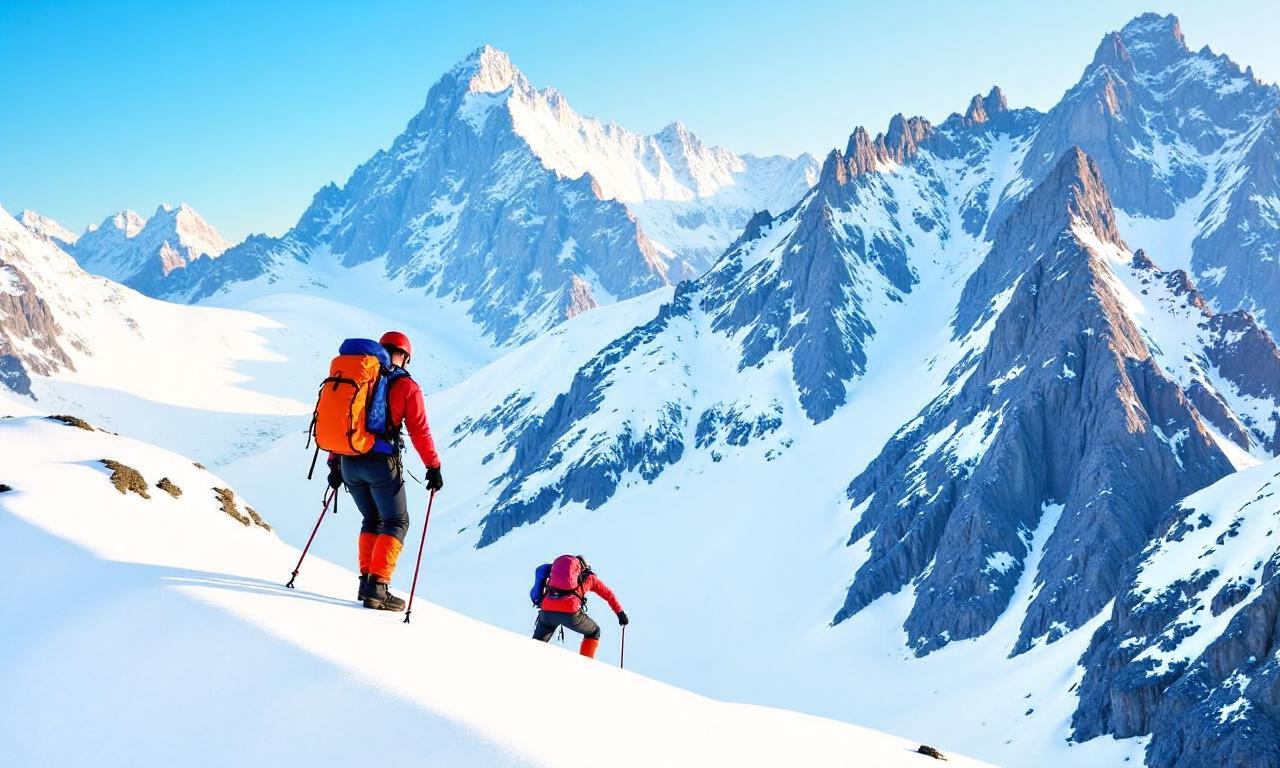
Samael.lol – Mountaineers have made significant progress in re-establishing access to the summit of Mount Everest, overcoming a major obstacle that had delayed their ascent for weeks. A team of highly skilled Nepali climbers successfully navigated a route through a massive, unstable ice formation known as a serac, which had previously blocked the main trail from the base camp to the peak. This breakthrough comes as climbing experts express growing concerns about congestion and safety risks at the world’s highest mountain, especially with a record number of permits issued this season.
Stranded Climbers and the Serac Obstacle
For several weeks, hundreds of climbers and their guides were stuck at Everest Base Camp in Nepal, unable to proceed further due to the ice blockage. The serac, a towering chunk of ice, had created a critical bottleneck, forcing expeditions to halt their attempts. The Nepali team, operating with precision and determination, managed to secure ropes and ladders to bypass the obstacle on Wednesday morning. This development has now allowed other climbers to resume their journey toward the summit, though challenges remain.
The serac, which measures over 10 meters in height, was a persistent threat to climbers. Its instability and size made it difficult to traverse, prompting fears of dangerous conditions for those attempting the ascent. As the climbing season intensifies, the team’s efforts to clear the route have been critical in ensuring the safety of all climbers. However, the delay has already raised concerns about the potential for overcrowding, particularly in the final stretch to the summit.
Record Permits and Climbing Numbers
This year, a record number of permits have been granted for Everest climbs, with almost 500 foreign climbers approved to attempt the summit. Most of these climbers rely on Nepali guides, who do not require permits themselves. This has led to a projected total of approximately 1,000 climbers attempting the ascent in the next two weeks. The increased number of participants, combined with the route’s recent opening, has created a high volume of activity on the mountain.
Climbers who had been acclimatising on the mountain voiced safety concerns earlier in the season, citing the delay in opening the route. “Many climbers are forced to make their attempts in a compressed timeframe,” said Purnima Shrestha, a seasoned climber on her sixth attempt to reach Everest’s summit. She added, “The delay has intensified worries about traffic jams on the peak, which could lead to serious risks for those on the trail.” These concerns are echoed by other experts, who warn that the situation could worsen without proper management.
Traditionally, Everest’s climbing season spans from late April to late May, during which most climbers engage in a multi-stage process involving several camps at high altitudes. This year, however, the inability to fix ropes between these camps has limited the number of acclimatisation treks, forcing climbers to adjust their schedules. The team’s recent success in securing a path has allowed for renewed activity, but the impact of the delay is still evident.
Challenges and Casualties
Despite the progress, the mountain has seen tragic losses. Over the past two weeks, three climbers have died while preparing for the season. One of the casualties was Bijay Ghimere, a milestone figure as the first mountaineer from Nepal’s underprivileged Hindu Dalit community to summit Everest. Ghimere, 35, was reportedly suffering from altitude sickness when the incident occurred.
Two other fatalities were recorded in recent days: Phura Gyaljen Sherpa, 21, slipped on the snow and fell into a crevasse near Camp 3 on Monday, while Lakpa Dendi Sherpa, 51, lost his life on his way to Base Camp on 3 May. These deaths highlight the dangers of the climb, particularly in the face of unpredictable weather and challenging terrain. The increased number of climbers and the lack of a clear trail have compounded these risks.
In addition to the serac on the southern route, China has closed its northern route to foreign climbers this season. This decision is expected to divert more expeditions to the southern path, further increasing the number of people on the mountain. The closure adds to the pressure on the southern route, which is already experiencing higher-than-usual traffic.
Managing Overcrowding and Safety
To mitigate the risks of overcrowding, authorities and expedition operators have taken steps to coordinate ascents more effectively. Rishi Ram Bhandari, Secretary-General of the Expedition Operators Association of Nepal, confirmed that teams are working together to “avoid more climbers attempting the summit simultaneously.” He noted that this strategy will help reduce the strain on the mountain’s limited resources and improve safety for all participants.
At Everest Base Camp, Khim Lal Gautam, a tourism official, reported that his department has deployed a team of five specialists to “create a plan that minimises queues near the summit.” He estimated that nearly 2,000 people are currently present at the base camp, including climbers preparing for other high-altitude expeditions. This figure underscores the scale of activity on the mountain, which has been further amplified by the closure of the northern route.
The increased pressure on the southern route has also been attributed to the recent hike in permit fees. Since September, climbers have had to pay $15,000 for a permit, up from the longstanding fee of $11,000. This marks the first major fee increase in nearly a decade, yet demand for permits has remained high. The higher costs have not deterred climbers, and the surge in tourism continues to raise concerns about environmental impact and safety.
While the team’s efforts have restored some normalcy, the situation remains tense. Mingma G Sherpa, who is currently on the mountain, warned of “intense traffic” if the next window for ascents is limited. “Many climbers could face serious difficulties,” he told ExplorersWeb. This statement reflects the ongoing challenges as expeditions race to complete their climbs before the season reaches its peak.
As the weather improves and the route becomes more accessible, the focus remains on managing the flow of climbers to prevent accidents. The combination of record permits, the serac’s removal, and the closure of the northern route has created a unique set of conditions that will test the resilience of both climbers and organisers. The coming days will be crucial in determining whether these efforts can ensure a safer and more organised climb to the world’s highest peak.