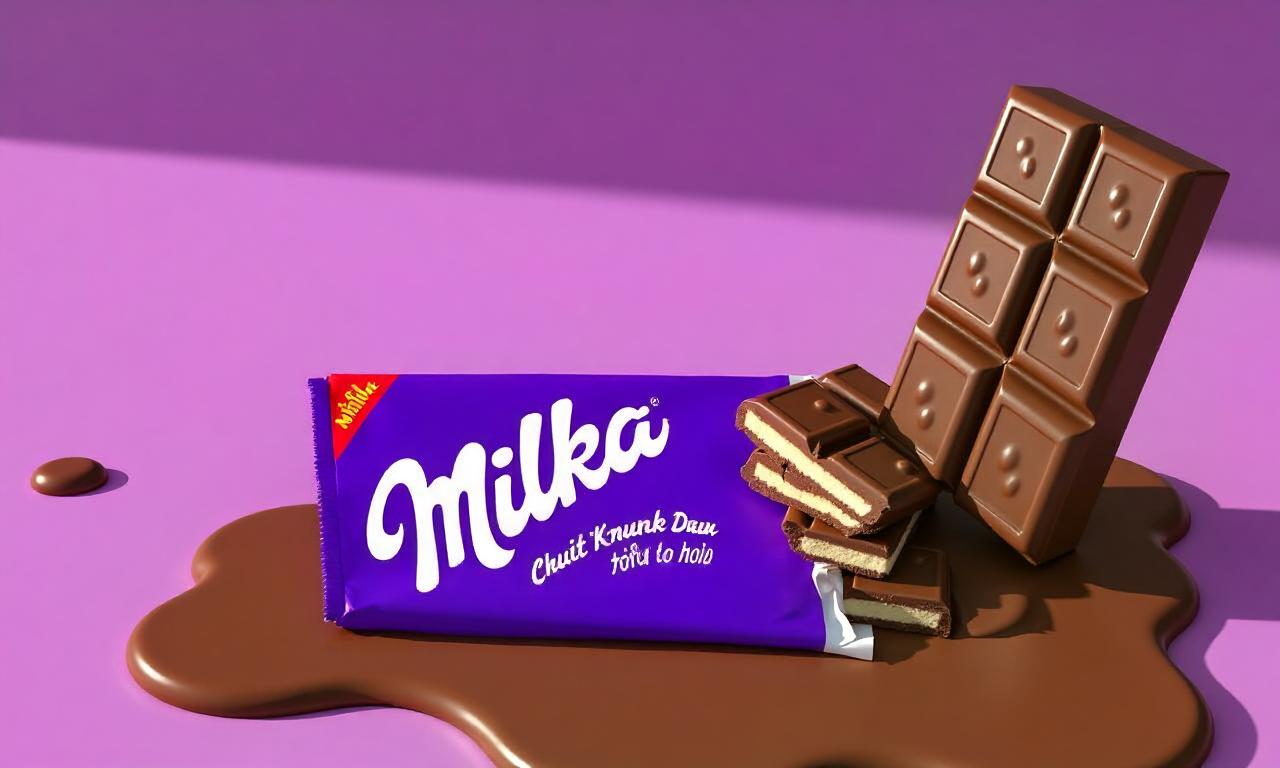
German Court Condemns Milka for Deceptive Chocolate Packaging
Samael.lol – A German legal case has highlighted the growing issue of shrinkflation in the chocolate industry, with a court ruling that Milka’s Alpine Milk bar misled consumers and violated competition laws. The decision, issued by the Bremen regional court, centers on the company’s strategy of reducing the product’s actual chocolate content while maintaining the same packaging, creating a visual illusion of unchanged value. This tactic, known as shrinkflation, has sparked debates across Europe about pricing transparency and consumer deception.
The Legal Case Against Milka
The case was initiated by Hamburg’s consumer protection office (VZHH), which accused Mondelēz International of deceiving shoppers by shrinking the Alpenmilch bar from 100 grams to 90 grams. Despite the weight reduction, the bar retained its original purple wrapper and design, leading customers to believe they were purchasing the same product. The three-week trial revealed that the disparity between the product’s actual contents and its visual presentation was significant enough to constitute a breach of fair competition practices.
“Mondelēz is taking the decision of the court seriously and will look at it in detail now,” the company stated in response to the ruling.
The court emphasized that the unchanged packaging created a false impression, as consumers associated the bar with its previous size and quality. While the company argued that the weight adjustment was necessary due to rising production costs, the judge pointed out that the lack of clear labeling on the wrapper left buyers unaware of the change. The ruling noted that the visual expectations of a product, especially one with a long-standing reputation, must be matched by its actual contents to avoid misleading consumers.
Shrinkflation: A Global Trend
Shrinkflation, the practice of reducing product size or quantity while keeping prices the same, has become a widespread strategy for manufacturers facing economic pressures. In the UK, consumer watchdog Which? has criticized the tactic as “sneaky,” citing a 14.6% surge in chocolate prices over the year to August 2025, driven largely by cocoa shortages in West Africa. The group argued that consumers are often left unaware of these changes, which can subtly erode perceived value over time.
Mondelēz defended its decision by citing the global cocoa supply chain crisis. The company stated that it had communicated the weight reduction to German customers through its website and social media, asserting that the adjustment was an industry-wide response to inflationary pressures. However, the court found that the minimal changes in packaging—such as a millimetre thinner bar—were insufficient to inform buyers of the reduced product size. The ruling stressed that consumers “visually conveyed expectation” must be clearly addressed to prevent confusion.
Consumer Backlash and Packaging Reforms
The controversy over Milka’s Alpenmilch bar culminated in its designation as the “rip-off packaging of the year 2025” by the Hamburg consumer group. Despite the weight cut, the bar’s appearance remained largely unchanged, leading to public frustration. The price increased from €1.49 to €1.99 at the start of 2025, further fueling complaints about value retention. While Mondelēz claimed the reduced weight was visible on the packaging, the court argued that the packaging alone was not enough to convey the change effectively.
The legal battle underscores a broader challenge for consumers in identifying shrinkflation. The Bremen court’s decision to penalize Mondelēz could set a precedent, with the ruling noting that “there is a risk of repetition” if manufacturers continue to rely on visual consistency without clear weight disclosures. The verdict is not yet final, as the company has a month to appeal the decision.
Shrinkflation Beyond Chocolate
The trend of shrinkflation is not limited to the chocolate market. Similar tactics have been observed in other industries, including toothpaste, oats, and instant coffee. However, the chocolate sector has drawn particular attention due to the rapid pace of price increases. According to Which?, chocolate prices have risen sharply in recent years, with the cost of cocoa being a major factor. Poor harvests in West Africa have disrupted supply chains, pushing up production expenses and prompting manufacturers to adjust product sizes to maintain profitability.
Another prominent German chocolate brand, Ritter Sport, has also faced scrutiny for its own shrinkflation practices. The company reduced the weight of three popular varieties from 100 grams to 75 grams while keeping their iconic square packaging unchanged. The lighter bars were marketed as a “new range,” but consumers noticed no visible difference in size. Despite the price remaining stable, the VZHH included Ritter Sport on its list of “rip-off packaging,” citing the misleading nature of the packaging changes. In 2025 alone, the group added 77 products to this list, signaling a rising tide of consumer complaints.
The court’s focus on visual deception has broader implications for how companies present their products. While packaging design is often a key selling point, the ruling suggests that it must now serve as more than just an aesthetic element. Clear, perceptible weight indicators on packaging are deemed essential to ensure transparency, especially for products with long-standing reputations. This decision could force manufacturers to rethink their packaging strategies, balancing visual appeal with informative clarity.
Industry-Wide Implications and Consumer Trust
The case against Milka highlights a critical issue in modern consumer economics: the erosion of trust through subtle pricing tactics. While shrinkflation may help companies offset rising costs, it risks alienating customers who feel they are being shortchanged. The Bremen court’s ruling reinforces the idea that consumers must be explicitly informed of any changes to product size or quantity, particularly when the packaging remains the same.
Consumers in Germany, as well as across Europe, are increasingly vocal about shrinkflation. The VZHH’s annual list of “rip-off packaging” serves as a barometer for public sentiment, with chocolate bars frequently appearing at the top. For instance, Ritter Sport’s 75-gram varieties, though visually identical to their 100-gram predecessors, have drawn similar criticism. This trend suggests that shrinkflation is not just a temporary measure but a systemic issue in the food and beverage sector.
The legal challenge also raises questions about the responsibility of manufacturers to communicate changes effectively. While Mondelēz claimed it had informed consumers through digital channels, the court argued that these efforts were insufficient. Physical packaging, which is often the first point of contact for shoppers, must now carry more explicit weight information. This could lead to a shift in packaging design, with companies potentially incorporating labels or symbols to highlight any reductions in product size.
Looking Ahead: The Future of Shrinkflation
As shrinkflation continues to evolve, its impact on consumer behavior and market trust will likely grow. The German court’s decision may inspire similar lawsuits in other countries, pushing for stricter regulations on packaging and pricing. For now, the case against Milka serves as a cautionary example of how even small changes in product size can have significant consequences for consumer perception and legal accountability.
Manufacturers must now navigate a delicate balance between cost management and consumer satisfaction. While shrinkflation remains a viable strategy in times of inflation, its long-term effects on brand loyalty could be substantial. The court’s emphasis on clear communication underscores the importance of transparency in an era where consumers are more informed and discerning than ever. As the legal battle unfolds, the chocolate industry may be forced to adapt, ensuring that packaging no longer masks a reduction in product value.
With the verdict still pending, the case represents a pivotal moment for both consumers and producers. It challenges companies to rethink their approach to packaging and pricing, while also giving shoppers a powerful tool to advocate for fair practices. As shrinkflation becomes a more prominent issue, the German court’s ruling could shape how brands interact with their customers, demanding greater honesty in their product presentations.