Farage’s Decision to Re-enter the Race
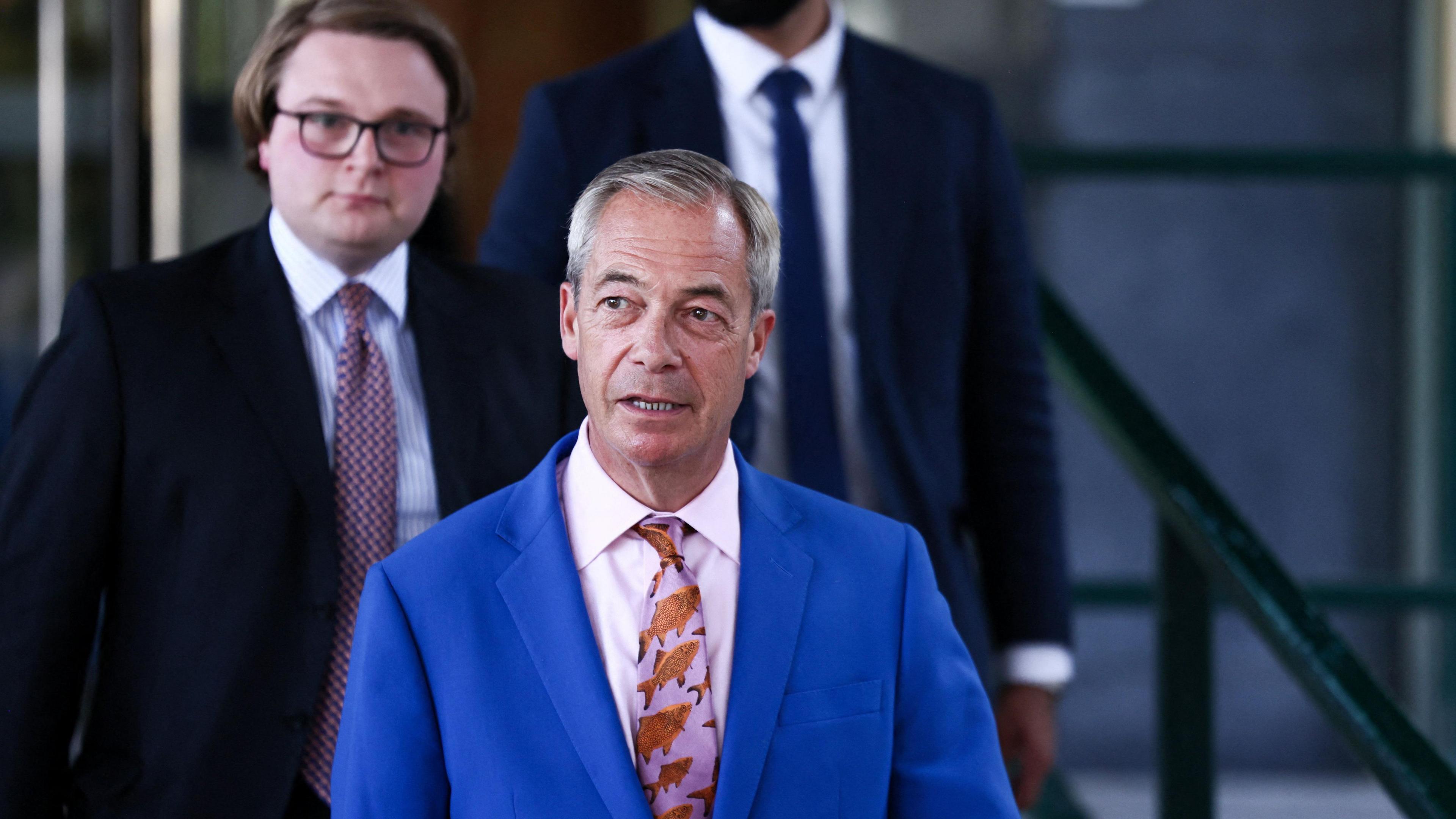
Samael.lol – Nigel Farage, the leader of Reform UK, has announced his intention to contest the Clacton by-election following his resignation from the party. This move has sparked a wave of responses from his political rivals, including Labour, the Conservatives, the Liberal Democrats, the Green Party, and Restore Britain, all of whom have decided not to field candidates in the upcoming election. Farage framed the contest as a symbolic “people versus the establishment” showdown, aiming to rally public support against what he described as systemic political pressures.
Political Rivals’ Responses
Labour’s reaction was swift and critical, with a spokesperson dismissing Farage’s campaign as a distraction. “It’s pathetic, and the Labour Party is not going to indulge it,” they said, accusing Farage of attempting to divert attention from ongoing parliamentary scrutiny. The party emphasized the importance of letting the financial investigation run its course before voters make decisions. Meanwhile, the Conservatives, led by Kemi Badenoch, condemned the by-election as a “fake election” orchestrated by Farage to “distract people from what is happening.” They argued that his resignation was a strategic move to shift focus away from the broader issues under review.
“It’s pathetic, and the Labour Party is not going to indulge it.” — Labour spokesperson
The Liberal Democrats took a more measured approach, urging the government to delay the by-election until the standards inquiry had concluded. They stressed that Farage’s constituents deserved “all the facts before they cast their votes.” Restore Britain, a faction formed after its founder Rupert Lowe was suspended from Reform, also opted out of this race but pledged to run if a second by-election was triggered by the inquiry. The Green Party initially left the decision to local members, but Green MP Hannah Spencer later confirmed that they had chosen not to contest the seat.
The Financial Controversy
Farage’s resignation follows a months-long inquiry into his financial disclosures. Since May, the standards commissioner Daniel Greenberg has investigated whether Farage properly declared a £5 million gift from billionaire donor Christopher Harborne. Farage defended the gift, calling it “the equivalent of a lottery win” and asserting it was a “purely personal” benefit. He claimed it helped cover his personal security expenses, a point he reiterated in a 20-minute video statement recorded at his party’s London headquarters.
“The establishment are using foul means to target my party.” — Nigel Farage
In the video, Farage also criticized the media, arguing they had unfairly targeted him and his family. He framed the by-election as an opportunity to “stick two fingers up” to the political establishment, declaring it a chance to “frankly tell them where to go.” Reform UK sources indicated their desire for the election to proceed quickly, with the possibility of scheduling it as early as August under parliamentary rules.
By-election Costs and Timeline
The financial implications of the by-election have drawn attention. While the government typically covers the cost of such contests, Farage’s party has stated they will bear the expense. A 2016 government estimate placed the average cost of by-elections at £228,964, though this figure has likely increased in recent years. Farage described his decision to run as a “big gamble,” acknowledging the risks but emphasizing the importance of public accountability.
Background on the Investigation
Farage’s campaign in Clacton was already a significant victory in the 2024 general election, where he secured over 8,000 votes and defeated the Conservatives to finish in second place. Labour came third, followed by the Liberal Democrats and the Green Party. The standards commissioner’s inquiry into Farage’s financial practices has now paused, but it could resume if he wins the by-election and returns to Parliament.
Recent revelations from the Sunday Times added fuel to the controversy. The report highlighted support from George Cottrell, a long-time ally of Farage, who provided logistical aid before the 2024 election. This included funding for security staff and social media management, raising questions about whether such assistance should have been declared as a parliamentary benefit. According to parliamentary rules, newly elected MPs must disclose gifts or benefits received within 12 months of their election that relate to their political or parliamentary activities. Gifts deemed purely personal are exempt, a provision Farage has relied on to justify his financial arrangements.
Comedian Jon Harvey’s Entry
Amid the political drama, comedian Jon Harvey has confirmed his participation in the by-election under the pseudonym Count Binface. This adds an unexpected layer to the contest, as Harvey’s entry could influence the outcome with his unique appeal to voters. His decision underscores the broader debate about transparency in political fundraising and the role of public figures in shaping electoral narratives.
Farage’s Political Strategy
Farage’s resignation and subsequent by-election bid reflect a calculated attempt to reclaim narrative control after being thrust into the spotlight over financial allegations. By positioning himself as a victim of political attacks, he seeks to frame the contest as a referendum on the establishment. His speech at the party headquarters emphasized the need for public trust in his actions, asserting that “the people of Clacton should be the judge of my actions.”
While his rivals have united against him, Farage’s ability to mobilize support remains a key factor. The outcome of the by-election could determine whether his efforts to reframe the debate succeed or whether the scrutiny of his finances continues to dominate the discourse. With the election scheduled for August, the political landscape in Clacton is set to shift once again as voters weigh the claims and counterclaims of the candidates.
Conclusion
The Clacton by-election represents more than just a local contest; it is a pivotal moment in Farage’s political career. The decision by his rivals to step aside has created a clear path for him to challenge the establishment, though the success of his campaign will depend on public perception of the financial controversy. As the election approaches, the focus remains on whether Farage can turn the tide in his favor or if the scrutiny will ultimately sway the voters. The results could also set a precedent for future elections, influencing how political accountability is perceived and enforced across the UK.