Gaza Flotilla Activists Claim Abuse by Israeli Forces During Detention
Over 500 Boats Aimed to Break Israel’s Maritime Blockade
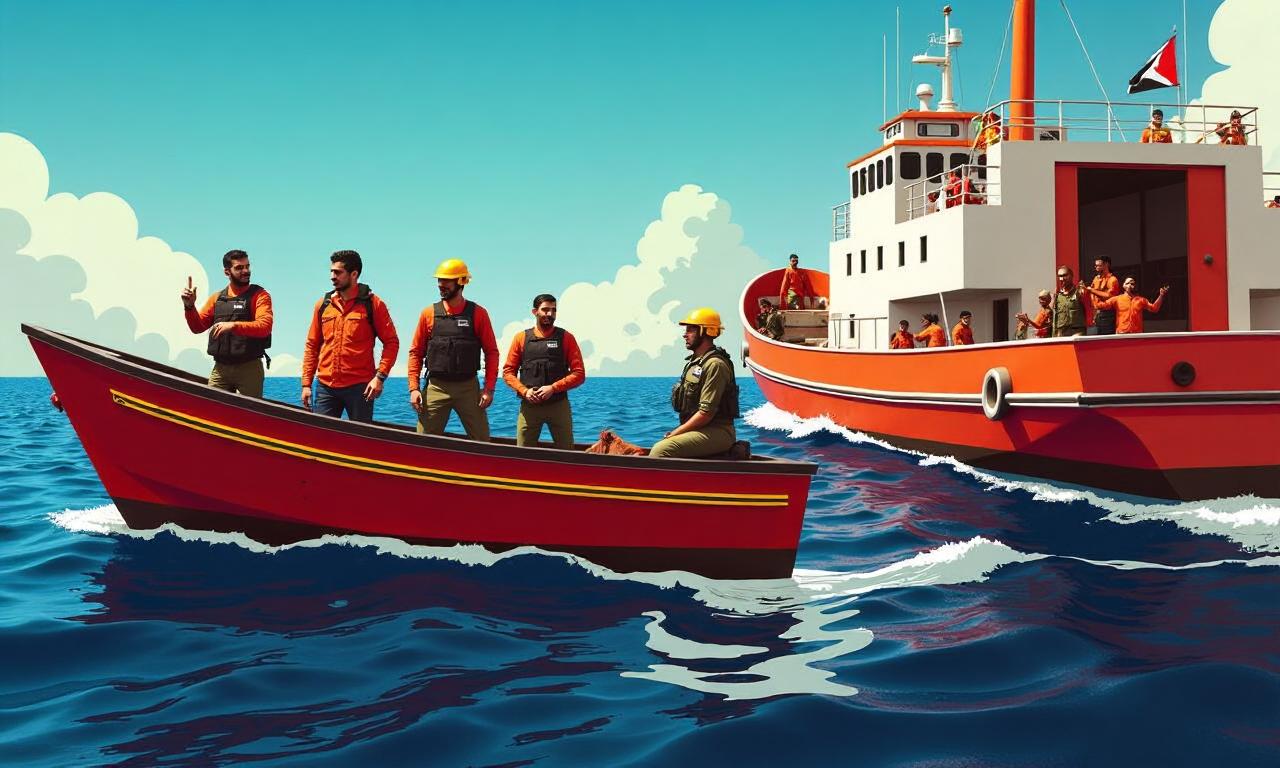
Samael.lol – More than 500 vessels formed part of the Global Sumud Flotilla (GSF), a pro-Palestinian initiative that departed from Turkish shores last week with the goal of breaching Israel’s maritime embargo on Gaza. The fleet was intended to deliver essential supplies, including food and medical aid, to the coastal territory. However, the mission was abruptly halted when Israeli commandos intercepted the flotilla in international waters west of Cyprus. The operation took place on Monday and Tuesday, with the detained activists subsequently transported to an Israeli port and placed in custody.
Following the interception, a group of activists from various nations were deported by Israel. As of Thursday, 422 individuals from 41 countries had been sent back to their home countries. While many have since returned to their respective homes, the incident has sparked widespread concern about the treatment they received during detention. Pro-Palestinian representatives have accused Israeli forces of subjecting detainees to physical and sexual abuse, with some claims detailed in recent statements.
International Reactions to Alleged Abuse
Canada has expressed strong disapproval of the conditions faced by its citizens during the detention. Canadian Foreign Minister Anita Anand stated that officials had provided information indicating “appalling abuse” of Canadians held in Israeli custody. She emphasized that the government “unequivocally condemns the grave mistreatment” of its nationals, calling for accountability from those responsible. However, she did not specify the nature of the abuse or provide further details.
Germany and Spain have also raised concerns about the treatment of their citizens. A German foreign ministry spokesperson confirmed that consular officials had met with the detained activists upon their arrival in Istanbul and reported that several had sustained injuries. The statement highlighted that “humane treatment of German nationals was an absolute priority,” and that the government expects a comprehensive explanation of the alleged incidents. Similarly, Spanish Foreign Minister José Manuel Albares noted that four of the 44 Spanish participants had received medical care for injuries, though no specifics were given.
The organizers of the flotilla provided additional accounts of the abuse, stating that “at least 15 cases of sexual assaults, including rape, were reported” during the detention. They also claimed that some individuals were “shot with rubber bullets at close range” and that “tens of people’s bones were broken.” These allegations, which include both physical and sexual violence, have intensified the scrutiny on Israel’s actions. Activists have since shared personal accounts of their experiences, adding emotional weight to the claims.
Israeli Authorities Deny Abuse Allegations
Israel’s prison service has dismissed the abuse claims as “false and entirely without factual basis.” In a statement, it asserted that all detainees were “held in accordance with the law,” emphasizing that “basic rights were respected” and that “professional and trained prison staff” oversaw their treatment. The service also noted that medical care was administered “according to professional medical judgment and in accordance with ministry of health guidelines,” suggesting that the procedures followed were consistent with international standards.
The Israel Defense Forces (IDF) echoed this defense, stating that their orders required “respectful and appropriate treatment of flotilla participants” on intercepted vessels. They described the procedures as “clear and established,” with no known deviations from these protocols within the military. However, the IDF acknowledged that any complaints would be “examined thoroughly,” leaving room for further investigation.
Personal Accounts of Detention
Several activists have since shared their experiences with journalists, providing firsthand accounts of the abuse. French participant Meriem Hadjal, who returned to Paris on Friday, described being “subjected to sexual violence and groping” during her time in custody. She recounted being hit, slapped, touched, and kneed in the ribs, adding that “my hair was pulled” and that she “was traumatised for hours.” Her testimony underscores the emotional toll of the detention, painting a vivid picture of the distress experienced by some participants.
Two Italian activists, Alessandro Mantovani and Dario Carotenuto, detailed their treatment after arriving in Rome. Mantovani, a journalist for Il Fatto Quotidiano, described being beaten by Israeli forces upon arrival at a detention facility he called a “place of terror.” Carotenuto, a member of parliament for the Five Star Movement, also shared his ordeal, highlighting the physical brutality he endured. Meanwhile, British activist Richard Johan Anderson, speaking at Istanbul airport, said the detainees had been “beaten, tortured, systematically dehumanised,” and that they “have just had a little taste of what the Palestinians go through every day.”
Global Sumud Flotilla’s Mission and Impact
The Global Sumud Flotilla was organized to challenge Israel’s maritime blockade of Gaza, a measure that has restricted the movement of goods and people into the territory. The mission’s goal was to deliver aid and symbolically support the Palestinian cause. However, the interception and subsequent detention of the activists have raised questions about the effectiveness and safety of such efforts. The allegations of abuse have not only impacted the individuals involved but have also sparked a broader debate about the treatment of civilians in conflict zones.
While the BBC has not been able to independently verify all the claims, the testimonies from the activists and the reports from their home countries have provided compelling evidence of the conditions endured. The international community is now closely monitoring the situation, with some nations calling for more transparency and others demanding accountability. The incident has also highlighted the importance of humanitarian efforts in the face of political tensions, as the flotilla aimed to provide aid while challenging Israel’s policies.
Call for Further Investigation and Accountability
Despite the Israeli authorities’ denials, the evidence of abuse continues to mount. Activists and their supporters argue that the systematic nature of the incidents warrants a deeper inquiry into the treatment of detainees. The calls for accountability are not limited to the individuals involved but extend to the broader system of detention and the procedures followed by Israeli forces. As the international response grows, the incident remains a focal point for discussions on human rights, military conduct, and the impact of such actions on global perceptions of the conflict.
Warning: This article contains details of alleged abuse some may find distressing