How Did Tattoo Artists Become Legal in South Korea?
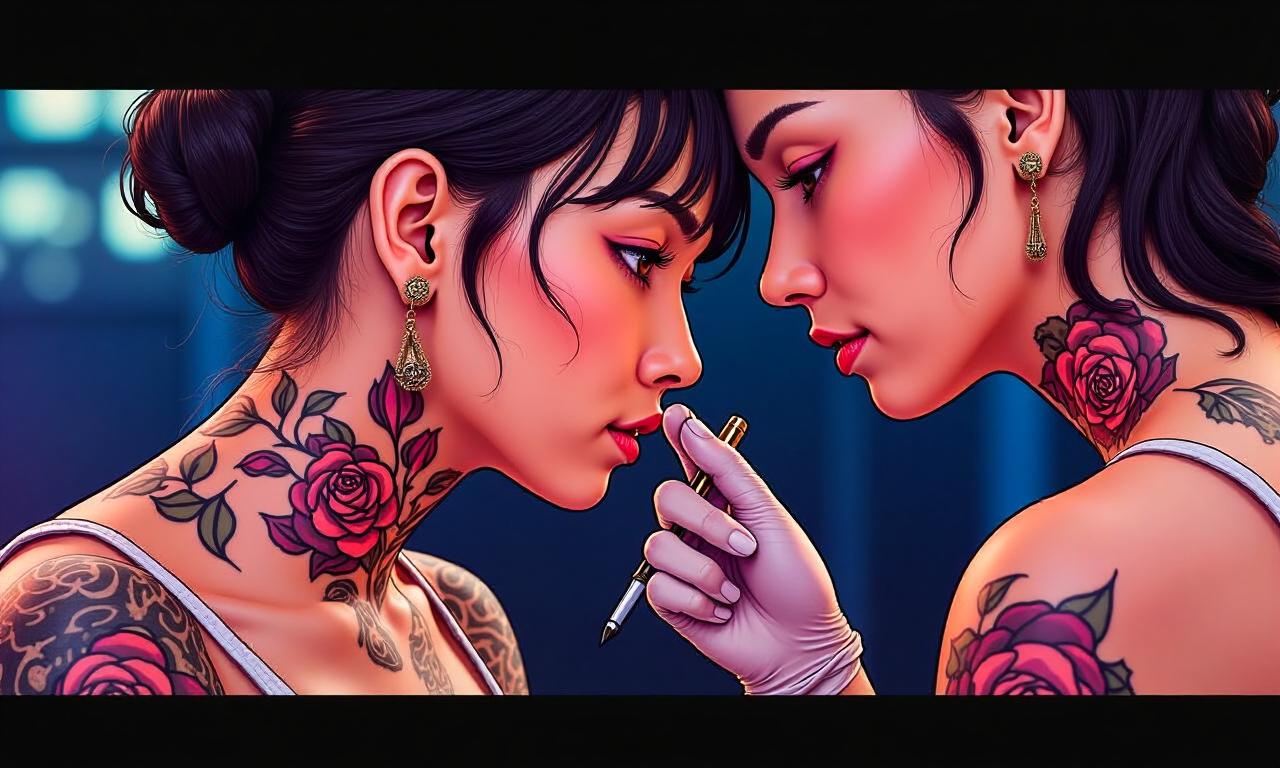
Samael.lol – Tattoo artists in South Korea have long operated in the shadows of legal restrictions, but a significant shift has finally granted them official recognition. For over three decades, only licensed medical professionals were allowed to perform tattooing, a law rooted in concerns about hygiene and potential health risks. Breaking this rule could result in hefty fines or even jail time, leaving many talented artists to work illegally, often in cramped spaces or under the radar of authorities. However, after years of persistent advocacy and growing public demand for body art, lawmakers recently overturned this longstanding prohibition, marking a historic milestone for the tattoo industry.
The Historical Context of Tattoo Laws in South Korea
South Korea’s strict tattoo regulations date back to the 1980s, when the government classified tattooing as a medical procedure. This decision was driven by the perception that tattoos could spread infections, particularly in the early days of the country’s rapid industrialization and limited healthcare access. At the time, the law was seen as a necessary measure to protect public health, but it also stigmatized tattoo artists as unqualified and untrustworthy. As a result, many artists faced not only legal challenges but also social discrimination, forcing them to operate discreetly while catering to a niche clientele.
The Artists’ Campaign for Legal Recognition
Over the past decade, tattoo artists in South Korea began organizing to challenge the outdated regulations. They argued that modern tattooing techniques and equipment had eliminated most health risks, and that their craft deserved recognition as a legitimate art form. The movement gained momentum with the support of influential figures in the arts and culture sectors, as well as social media campaigns that highlighted the personal stories of artists and their customers. This grassroots effort eventually led to widespread public sympathy, pressuring lawmakers to reconsider the law and grant tattooists a legal status.
A New Era for South Korea’s Tattoo Industry
The change in legislation, passed in September 2023, allows non-medical professionals to legally perform tattoos, provided they meet certain standards. This includes obtaining certification from a newly established regulatory body and adhering to hygiene protocols. The move has been celebrated as a victory for creativity and cultural expression, with many artists expressing relief at finally being able to work openly. It also reflects a broader societal shift toward embracing tattoos as a form of personal identity and artistic freedom, rather than a marker of deviance or criminality.
With the new law, South Korea’s tattoo industry is expected to flourish. Estimates suggest that thousands of artists will now be able to operate legally, creating more opportunities for innovation and growth. The cultural landscape is also changing, as younger generations increasingly view tattoos as a normal part of self-expression. This legalisation has not only boosted the confidence of artists but also attracted more customers, leading to a surge in demand for tattoos across the country. The government has expressed optimism that this development will further integrate the industry into the mainstream economy.
Additionally, the legalisation has sparked discussions about the role of regulation in the tattoo industry. While the new rules provide a framework for safety and professionalism, they also introduce a tiered system that separates certified artists from those who remain unregistered. This structure aims to balance accessibility with quality control, ensuring that consumers have a clear standard to follow. The change has also prompted debates about the future of body art in South Korea, with some questioning whether it will eventually be seen as a symbol of mainstream acceptance or remain a niche pursuit.
“This is a turning point for the tattoo community in South Korea,” said a local artist who has been operating underground for years. “Finally, we can be recognized as professionals rather than just people who break the law.”
As the tattoo industry gains legitimacy, it is likely to influence other areas of culture and commerce. For instance, the demand for tattoo parlors has already increased, with many opening new studios in urban centers. The legalisation also opens the door for tattoo artists to collaborate with designers and influencers, further expanding the art form’s reach. While challenges remain, the new law has set the stage for a more vibrant and regulated tattoo scene in South Korea, one that reflects the evolving attitudes toward body art and personal expression.