Trump and Xi Conclude ‘Very Successful’ Talks but No Deals Confirmed
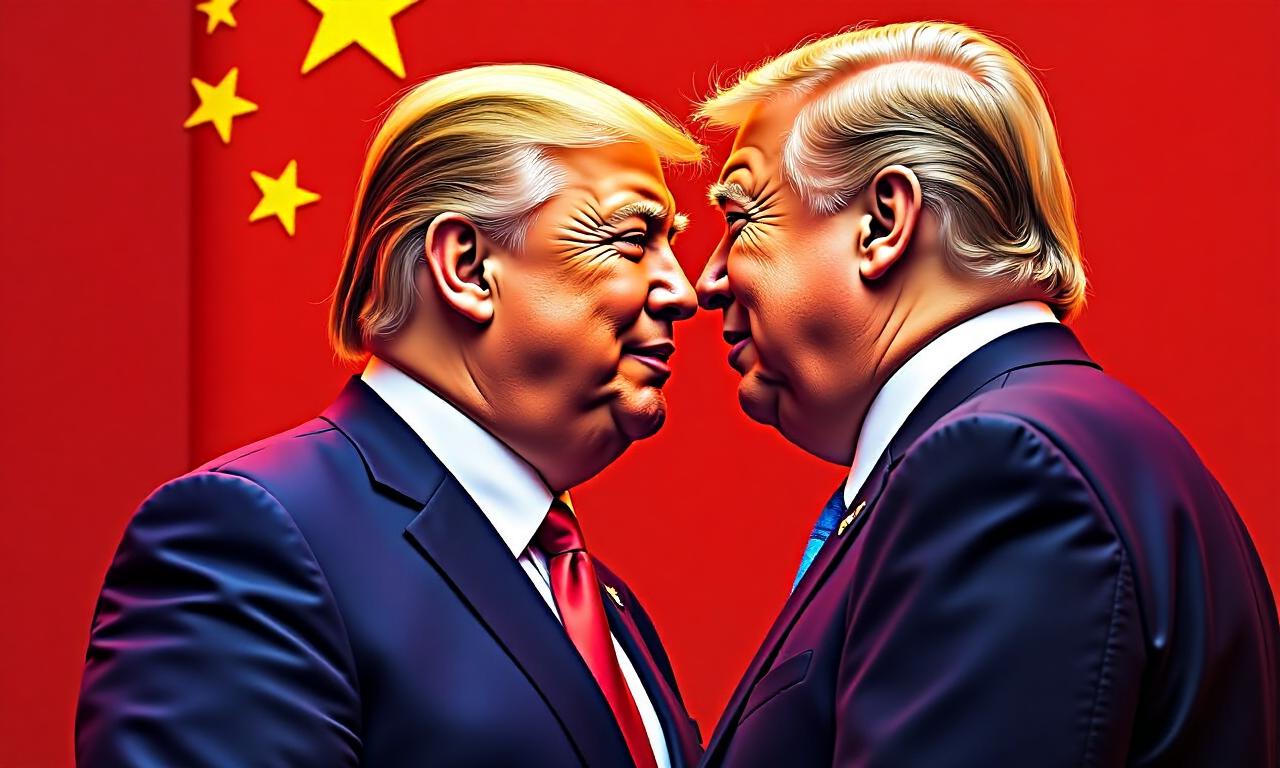
Samael.lol – US President Donald Trump concluded his two-day summit in Beijing with Chinese leader Xi Jinping, describing the meetings as “very successful.” However, the outcomes remain unclear, with few concrete details released about the agreements reached between the two nations. Trump’s visit, marked by a blend of strategic discussions and symbolic gestures, has left analysts divided on whether it heralds a new phase in US-China trade relations or merely signals a temporary reprieve from ongoing disputes.
A High-Stakes Delegation and Strategic Agenda
Trump arrived in Beijing on Wednesday, accompanied by a high-profile business delegation that included CEOs from diverse sectors such as agriculture, aviation, electric vehicles, and artificial intelligence (AI) chips. This gathering underscored the economic significance of the summit, which aimed to address trade tensions despite recent flashpoints over the Iran conflict. The delegation’s presence reflected the hopes of private sector leaders for key breakthroughs, including an extension of the existing tariff truce set to expire in November.
The itinerary was carefully curated to emphasize warmth and diplomacy, featuring a state banquet, an honor guard, and a visit to the exclusive compound where China’s Communist Party leaders reside. These symbolic elements highlighted the importance of the visit, with Trump expressing admiration for the hospitality and even inviting Xi to the White House in September. Despite the ceremonial aspects, the core focus remained on economic cooperation, a topic that dominated the agenda and remained central to both leaders’ objectives.
Uncertain Outcomes and Unconfirmed Commitments
While Trump claimed progress, no significant deals were publicly announced. During a press conference aboard Air Force One, he mentioned that China had agreed to purchase 200 Boeing jets, with the possibility of an additional 750 planes in the future. The BBC has reached out to Boeing for clarification on these commitments. Trump also expressed optimism about agricultural deals, stating that Chinese buyers would acquire “billions of dollars” worth of soybeans, a crucial export for American farmers.
However, these assurances have not been confirmed by the Chinese side. The absence of definitive announcements has raised questions about the solidity of the agreements. For Boeing, securing this order would mark its first major Chinese deal in nearly a decade, as the company had been sidelined from the second-largest aviation market due to escalating trade tensions between Washington and Beijing. The potential deal could signal a shift in the balance of power, but its success hinges on the Chinese government’s willingness to commit to long-term purchases.
Trade Truce and the Road Ahead
The trade truce, suspended in October, temporarily halted steep tariff increases on Chinese goods while Beijing eased restrictions on rare earth exports. This agreement was designed to stabilize the trade relationship, yet its future remains uncertain. During the summit, Trump claimed that tariffs were not discussed, a surprising departure from the usual focus on this contentious issue. Instead, the White House highlighted the creation of a “Board of Trade” to oversee the bilateral relationship without necessitating further tariff negotiations.
US Treasury Secretary Scott Bessent, who led trade talks for Washington, told CNBC in a pre-recorded interview that progress was expected on mechanisms to support future investments. Yet, officials emphasized that the path to implementation is still complex, requiring sustained effort and alignment between the two nations. The summit’s outcomes, while promising, are likely to be the first of many steps in resolving the broader trade conflict.
AI and Tech: A Growing Priority
Electric vehicles, artificial intelligence, and semiconductors emerged as critical battlegrounds in the US-China rivalry, with both Tesla and Nvidia playing pivotal roles in the discussions. Elon Musk, CEO of Tesla, took a prominent position during the welcome ceremony, showcasing the company’s reliance on China’s market and its Shanghai gigafactory. Similarly, Jensen Huang, head of Nvidia, was closely associated with Trump, hinting at the importance of AI and semiconductor access in the talks.
Beijing has long advocated for greater technological autonomy, while Washington seeks to limit China’s access to frontier AI capabilities. Despite this, the summit’s focus on collaboration suggests a potential compromise. Trump mentioned “guardrails” as a key point of discussion, indicating a possible framework for shared development in AI. However, the specifics of these guardrails remain elusive, with Guo Jiakun, a Chinese foreign ministry spokesperson, reiterating that the essence of the economic relationship is “mutual benefit and win-win co-operation.”
Symbolism and Subtlety in Diplomacy
The summit was a masterclass in diplomatic symbolism, with Trump’s visit to the Communist Party compound serving as a testament to the mutual respect between the leaders. Yet, beneath the surface, the talks were driven by strategic interests. The inclusion of Musk and Huang in the delegation highlighted how private sector influence is shaping the discourse on critical industries. Their proximity to Trump during the event suggested that AI and semiconductors are not just peripheral topics but central to the negotiations.
Despite the emphasis on AI, export controls remained a backdrop to the discussions. While these regulations aim to curb China’s access to cutting-edge technology, they were not a major talking point during the summit. Instead, the focus shifted to cooperative frameworks, with both leaders signaling a desire to avoid repeated cycles of trade wars. The success of these talks may depend on the ability to translate rhetoric into actionable agreements, a challenge that continues to define US-China relations.
Remaining Challenges and Future Prospects
Analysts caution that the summit’s outcomes are preliminary, and the true impact of the discussions will only become apparent in the coming months. The lack of confirmed deals has left some skeptical, with concerns about the durability of the trade truce. If the Boeing orders are finalized, they could represent a significant milestone for the company, but their long-term viability will depend on China’s economic stability and the global demand for aviation products.
Meanwhile, the agricultural component of the negotiations underscores the broader economic interdependence between the two nations. China’s potential purchase of soybeans could alleviate pressure on US farmers, yet it remains to be seen whether this commitment will translate into tangible benefits. The summit has thus far delivered a mix of optimism and ambiguity, with both leaders leaving Beijing with a shared vision of progress, but also acknowledging the work that lies ahead to solidify this vision into lasting cooperation.