Iranian Activist Describes Deepening Trauma Amid Escalating Repression
Samael.lol – Shirin, a political activist in Tehran, now lives in constant vigilance. Each day, she remains indoors, listening for the distant hum of aircraft engines and the telltale thud of bombs. Her nerves are frayed, her mind preoccupied with the fate of friends who might be held in solitary confinement. The lingering fear of war resuming has become a relentless companion, exacerbating the psychological toll of years under authoritarian rule.
The Weight of Silent Watchfulness
Shirin’s anxiety has manifested in physical ways. Her left hand, once steady, now trembles involuntarily. “Whenever a sharp noise pierces the air, my body betrays me,” she explains. “It’s as if the trauma has frozen this part of my hand, making it unresponsive.” The mental anguish of living in a society where dissent is met with swift punishment has taken its toll. She speaks of a deepening sense of powerlessness, a feeling that no matter how fiercely she resists, the regime will always find a way to silence her.
“I used to believe that resistance could change things, but now I see it as a cycle. Every time we protest, they arrest us. Every time we speak out, they threaten us. The streets are no longer ours.”
Regime Displays of Strength and Suppression
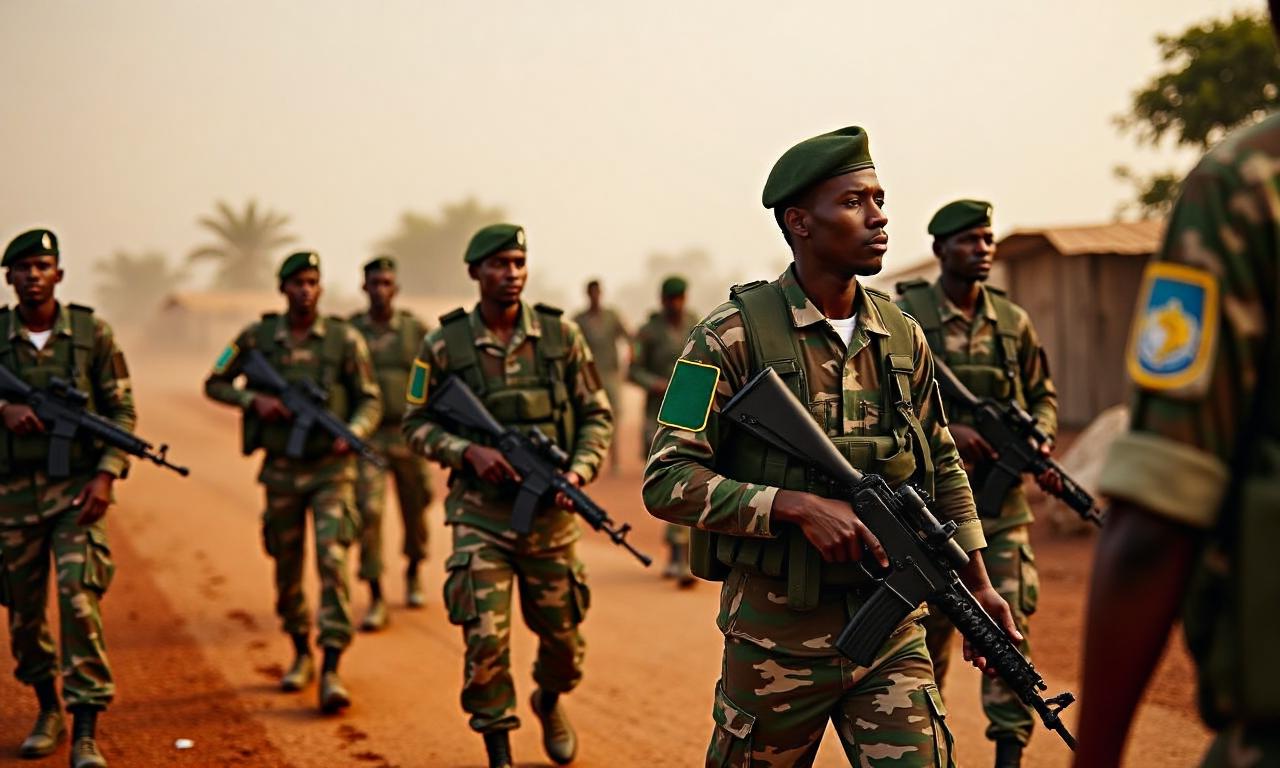
Despite the pervasive fear, the government continues to assert its dominance through public spectacles. Marches and parades feature women driving jeeps equipped with heavy machine guns, their presence a stark reminder of the regime’s military might. These displays are designed to instill compliance, to remind citizens that even in times of crisis, the state remains in control.
The BBC relies on anonymous sources within Iran to amplify voices that have been stifled by the regime. These individuals, like Shirin, share stories of surveillance, detention, and psychological manipulation. “They don’t just arrest people—they erase their confidence,” says one source. “Every act of defiance is met with calculated intimidation.”
The Arrest That Shaped a Life
Shirin’s fear was once abstract, but it became visceral in 2024. During the aftermath of the “Woman, Life, Freedom” protests, which erupted following the death of Mahsa Amini—a 22-year-old woman arrested by the morality police for not wearing her hijab properly—she found herself on the wrong side of the regime’s wrath. One evening, while discussing dinner plans with her mother, she heard the unmistakable sound of a car pulling up beside her.
“A man and a young woman stepped out. They asked, ‘Are you Mrs. …?’ I nodded, trying to keep my composure. I told my mother I’d call her back and hung up, unaware of what was to come.”
The couple was part of the secret police, their uniforms and weapons a symbol of the regime’s authority. “They said, ‘You’re under arrest,'” Shirin recalls. “In seconds, I was inside the car, my hands forced to comply with the state’s demands.” The confrontation was brief but chilling. A young woman attempted to impose the hijab on her, but Shirin resisted, pulling her down. “I refused to let them touch me,” she says. “Even as they threatened solitary confinement, I stood my ground.”
Repression Intensifies with War
Since the war began in February, the pressure on activists has escalated. Human Rights Watch reports that detainees, often arrested without cause, face systematic abuse, including physical harm and psychological torment. Over 50,000 individuals have been detained in the months following the January uprising, many held incommunicado for extended periods. “The regime no longer offers choices,” a rights group official notes. “It’s a matter of punishment or silence.”
Shirin’s ordeal reflects this trend. After signing a pledge to remain silent for two months, she was released. Yet, the threat of arrest looms over her daily. “If they come for me again, there won’t be a warning,” she says. “This time, I might not get a chance to speak.”
Shifting Perspectives Amid Crisis
While Shirin’s opposition to the regime remains unshaken, her view of the war has evolved. Initially, she felt a sense of triumph when regime forces were targeted in attacks. But the civilian casualties have altered her mindset. “When I saw a half-finished building hit by a missile, killing 25 people, including a toddler who lost his mother, I was overwhelmed,” she admits. “That’s when the fear became personal.”
The combined impact of state violence and the US-Israeli bombing campaign has deepened Iran’s mental health crisis. The Iranian Red Crescent reports a surge in calls to its helplines, with thousands seeking support after experiencing trauma from attacks on medical facilities. “The system is overwhelmed,” says a hospital worker who spoke to the BBC. “People come with nightmares, panic attacks, and stories of loss. We’re trying to keep up, but the pressure is relentless.”
Quotes from the Frontlines
A senior Iranian police commander, Ahmadreza Radan, recently warned: “Anyone who takes to the streets at the behest of the enemies is not a protester—they are the enemy itself. We will treat them as such.” This statement underscores the regime’s strategy of labeling dissent as treason, ensuring that even the most minor acts of resistance are met with harsh consequences.
Shirin’s experience is not isolated. Many activists have lost their jobs, accused of inciting unrest or aligning with foreign adversaries. “Colleagues blamed us for the Israeli-American strike on Iran,” she says. “But the real blame is on the system that uses them as tools.” Despite the personal cost, her resolve has not wavered. “I fight because I believe in change, but the war has made me question how far that change will come.”
The psychological strain of living in this environment is palpable. Shirin, like countless others, now lives in a state of perpetual alert. Her story is a microcosm of a nation grappling with the dual crises of internal repression and external conflict. As she waits for the next knock on her door, the fear of war remains a constant shadow, shaping her every thought and action.
A Nation in Psychological Turmoil
The war has not only reshaped Iran’s physical landscape but also its mental terrain. With 18 medical facilities reported as targets by the World Health Organization, the already strained healthcare system faces an even greater burden. Patients arrive with anxiety, depression, and trauma, their conditions compounded by the uncertainty of daily life. “We’re seeing more people than ever seeking help,” says a Red Crescent official. “The war has turned the streets into a battlefield for the mind.”
Shirin’s struggle is emblematic of this broader crisis. Her left hand, once functional, now serves as a reminder of the body’s response to unrelenting stress. The fear of war, intertwined with the trauma of repression, has created a cycle of psychological suffering. “I used to feel proud when we fought for our rights,” she says. “Now, I just feel the weight of every moment.”
As the conflict drags on, the lines between state and civilian life blur. Shirin’s story is a testament to the resilience of those who resist, even as the regime tightens its grip. Her voice, though quiet now, remains a powerful echo in a nation where fear and determination walk hand in hand. The war may have changed her perspective, but it has not silenced her fight.