Netanyahu Says Israel Will Escalate Attacks on Hezbollah
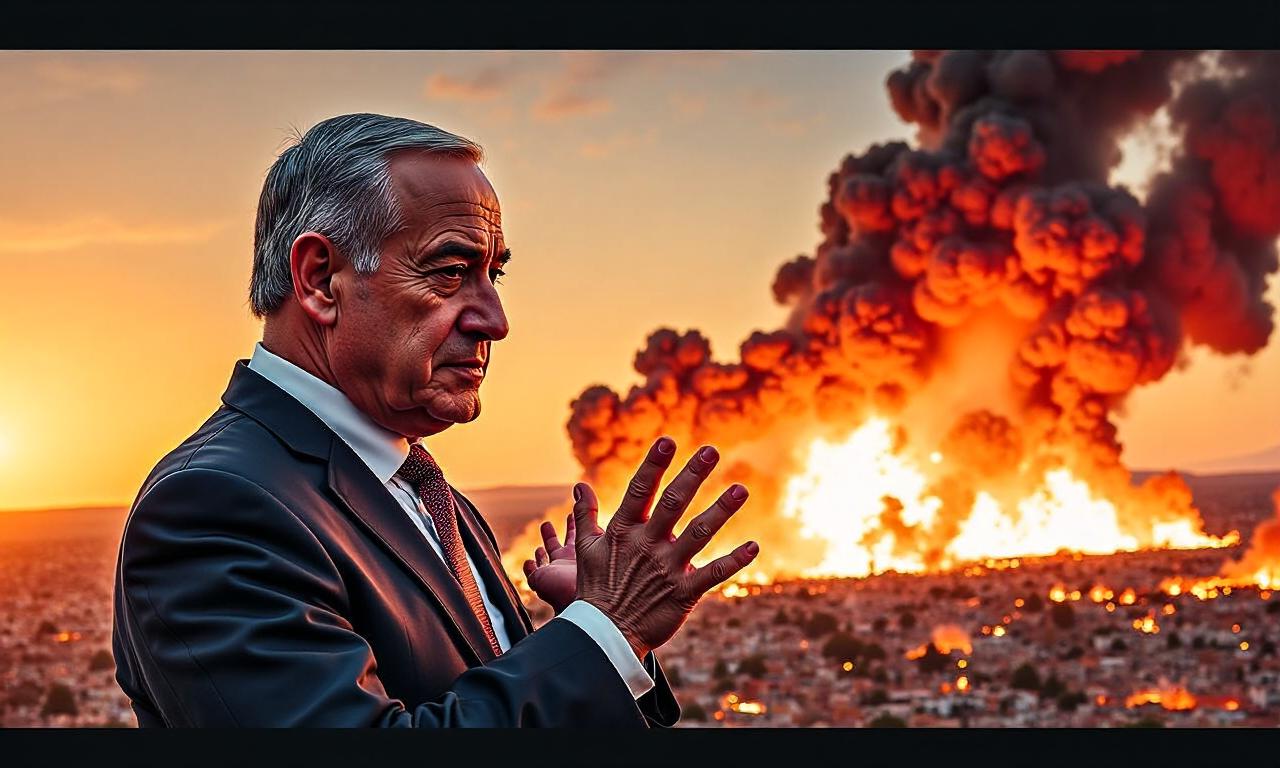
Samael.lol – Prime Minister Benjamin Netanyahu of Israel declared that his country would increase its military pressure on Hezbollah, leading the Israeli military to initiate a series of strikes across Lebanon. The Israel Defense Forces (IDF) confirmed operations targeting the Shia Muslim armed group in the Bekaa Valley, a region in eastern Lebanon near the Syrian border, and other areas. Hezbollah, which is backed by Iran, responded by launching 22 drone and rocket attacks, hitting Israeli military installations, including barracks and buildings. The group accused Israel of breaching the ceasefire agreement, which was recently extended for 45 days between the two nations.
Escalation Amid Ceasefire Tensions
Earlier this month, Lebanon and Israel agreed to prolong their ceasefire, but skirmishes have persisted. In a video address on Monday, Netanyahu stated that Israel is “at war with Hezbollah” and instructed the military to deliver a “crushing blow” to the group. He claimed that the ongoing offensive had “eliminated over 600 terrorists,” emphasizing the need for heightened operations. Two far-right Israeli ministers, Bezalel Smotrich and Itamar Ben Gvir, pushed for expanding the campaign into Beirut, signaling internal support for further escalation.
“Israel is at war with Hezbollah, and the military has been told to deal them a crushing blow.”
Hezbollah’s retaliation included attacks on southern Lebanon and northern Israel, targeting military assets. The group described these strikes as a response to Israel’s “violation of the ceasefire,” which it argues has disrupted its ability to regroup. Meanwhile, officials from both countries are set to discuss the conflict in Washington, where they aim to resolve lingering disputes. Lebanese President Joseph Aoun has called for an Israeli full withdrawal from southern Lebanon, a region that has seen heavy bombardment since the ceasefire was signed on April 16.
Regional Dynamics and Casualties
The conflict has caused significant casualties. Over 400 Lebanese citizens have been killed in Israeli airstrikes during the ceasefire period, including many emergency workers. Israeli forces have reported ten soldiers lost since the agreement was reached. In addition to fatalities, more than one million people have been displaced in Lebanon due to the military operations, with new evacuation orders issued nearly every day in southern areas.
Lebanon’s government has sought to disarm Hezbollah while maintaining the ceasefire, citing the complexity of the task. However, Israel has resisted ending hostilities against the group, viewing it as a key threat. The current round of fighting began in February when the US and Israel launched a campaign against Iran, prompting Hezbollah to retaliate with rocket attacks. This retaliation killed Iranian Supreme Leader Ayatollah Ali Khamenei, which led to Israel’s ground invasion and air campaign in Lebanon. The Lebanese Ministry of Health reported over 3,000 deaths in Israeli attacks since the war began.
Iran’s Peace Deal and Strategic Implications
The Iranian government has insisted that a peace deal with the US must include a complete ceasefire in all regional conflicts. Israel, however, has opposed this stance, as it continues to target Hezbollah. The Bekaa Valley, struck by Israeli forces on Monday, has become a focal point of the escalating tension. Analysts suggest the expansion of the campaign could shift the balance of power in the region, with potential consequences for Lebanon’s stability.
Hezbollah’s involvement in the conflict has been critical, as it serves as a proxy for Iran in the Middle East. The group’s ability to launch drones and rockets from southern Lebanon has been a key factor in the ongoing hostilities. Israel argues these attacks justify its military response, while Lebanon contends that the ceasefire is essential for rebuilding and de-escalating the situation. The upcoming negotiations in Washington are seen as a crucial opportunity to address these diverging priorities.
Historical Context and Current Challenges
The current conflict traces its roots to the February 28 attack on Iran, which Lebanon joined as a consequence. Hezbollah’s rocket strikes into Israel during this period drew a swift military response, escalating the situation. Since the ceasefire was established on April 16, Israeli operations have largely focused on southern Lebanon, where its troops are stationed and from which the group claims drones and rockets are launched. The recent strikes in the Bekaa Valley mark a new phase of this strategy.
Despite the ceasefire, both nations face challenges in maintaining peace. Lebanon’s government has been working to disband Hezbollah’s military capabilities, but progress has been slow. The group’s entrenched position in the country, coupled with Iranian support, has made it a persistent adversary. Israel’s military, meanwhile, remains committed to its objectives, with Netanyahu’s statements reflecting the government’s determination to continue the campaign.
Regional Impact and Future Outlook
The conflict has drawn broader regional attention, with Iran and the US playing pivotal roles. The Iranian government’s push for a comprehensive ceasefire highlights its desire to stabilize the Middle East, but Israel’s focus on Hezbollah suggests a different approach. As the situation evolves, the involvement of external actors like the US and Syria could influence the outcome. The Bekaa Valley, located close to Syria, adds another layer of complexity, given its strategic importance and the potential for cross-border coordination.
Hezbollah’s continued attacks and the Israeli response have kept the region in a state of heightened alert. The group’s actions, including drone strikes and rocket launches, have not only targeted military installations but also civilian infrastructure, raising concerns about the humanitarian toll. With over one million people displaced, the pressure on Lebanon’s government to manage the crisis grows. The upcoming Washington talks may determine whether the ceasefire holds or if the conflict spirals further into violence.
Conclusion and Ongoing Efforts
As the Israeli military intensifies its operations, the balance between war and ceasefire remains precarious. Netanyahu’s assertion that the attacks are necessary to achieve a “crushing blow” underscores the government’s resolve. However, the toll on both sides—Lebanon’s civilian population and Israeli soldiers—highlights the human cost of the conflict. The expansion of the campaign into Beirut could mark a turning point, but it also risks deepening the divide between Lebanon and Israel. With regional powers monitoring the situation, the next phase of hostilities may shape the future of the Middle East for years to come.