Paris ‘punishingly hot’ as Western Europe hit by heatwave
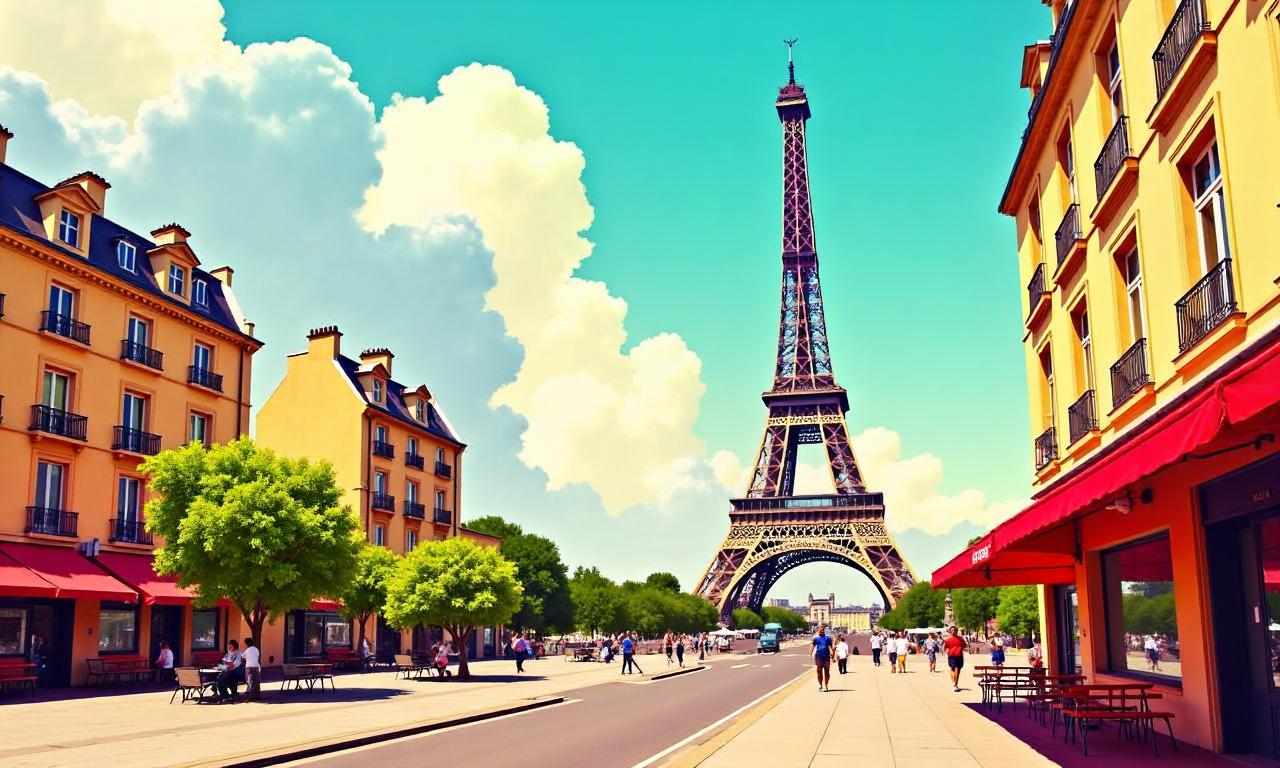
Samael.lol – Parisians have been scrambling to find relief from the scorching weather, with temperatures in the French capital reaching 34°C (93.2°F) on Tuesday. The BBC’s Paris correspondent, Hugh Schofield, noted that the heat felt familiar to locals, likening it to the usual August conditions. This intense heat has been attributed to a “heat dome” lingering over Western Europe, according to France’s national weather service, which reported temperatures 10 to 15 degrees Celsius higher than average for May.
Travelers seek respite from summer heat
A tourist from Australia, Brent, shared his decision to visit Paris in May rather than the traditional summer months. “We know it can be really bad in June, July, and August,” he told the BBC, adding that he hoped the cooler climate would make the trip more comfortable. His remarks highlight the growing awareness among visitors of the region’s extreme weather patterns, which have become more frequent in recent years.
“We’d thought that if we came up in May, it’d be a bit easier,” said Brent, who traveled to the city for its cultural landmarks and historical sites.
Heatwave linked to global climate shifts
Scientists have pointed to climate change as a contributing factor to the prolonged heatwave, with Western Europe experiencing unseasonably high temperatures. The anomaly has sparked concerns among meteorologists, who warn that such events may become more common in the future. In France, the heat has led to power outages and disruptions in public transport, as people rush to cool off in parks and shaded areas.
Tragic incident in Dublin highlights tensions
While Paris grappled with the heat, a somber event unfolded in Dublin. Hundreds of mourners gathered to pay tribute to Yves Sakila, who lost his life in an incident that underscored the complex relationship between Russia and NATO. The BBC’s Frank Gardner explained how the tragedy brought to light the lingering hostilities between the two sides, with Russia recently launching one of its largest air strikes on Kyiv since the war began.
“The incident highlighted the deepening divide between Russia and NATO, even as the war rages on,” Gardner remarked.
Health risks feared on Tenerife
Meanwhile, in the Canary Islands, concerns over a potential health crisis have emerged as locals await the arrival of the MV Hondius. The BBC’s Guy Hedgecoe reported that the ship’s docking has raised alarms about the spread of diseases and the strain on local healthcare systems. Residents in Tenerife have expressed anxiety, fearing that the vessel’s cargo or passengers could introduce new challenges to the region’s public health infrastructure.
Rescue operation in Ukraine
In a separate development, the Ukrainian army responded to a dramatic rescue mission in a war-torn village. A woman, spotted using a drone, was saved by soldiers as she attempted to flee the area. The BBC highlighted the incident as a testament to the resilience of civilians and the adaptability of military forces in the face of escalating conflict. “It was a race against time,” said one witness, who described the chaos of the battlefield.
“The drone helped us locate her quickly, but the environment was extremely dangerous,” the witness added.
Charity event sparks emotional reflection
Back in the UK, a charity draw organizer shared heartfelt thoughts about the painting that now belongs to a new owner. Speaking on BBC Radio 4’s Front Row, the individual described the bittersweet nature of the event, which was held in memory of a fallen hero. “It’s hard to imagine that the man I once trusted could have committed these horrors,” they said, reflecting on the emotional weight of the occasion.
Political drama in Hungary
Amid the global turmoil, political tensions in Hungary took center stage. Rajini Vaidyanathan, broadcasting from outside the country’s parliament, reported on the public reaction to Prime Minister Victor Orbán’s recent concessions. The BBC’s Europe Editor, Katya Adler, covered the event in Orbán’s hometown of Felscút, where supporters and critics alike gathered to voice their opinions. “The crowd was divided, but the energy was electric,” Adler observed.
“Crowds heard about the prime minister’s compromises, but the debate over his policies remains fierce,” Vaidyanathan noted.
Personal tragedy and public grief
The loss of a 16-year-old girl killed by a scrambler has left her family in a “living nightmare,” as reported by the BBC. The mother, who spoke to the media, described the emotional toll of the incident, which occurred during a routine encounter. “Every day feels like a battle to move forward,” she said, emphasizing the ongoing impact of the tragedy on her family’s life.
“Life has been a constant struggle since the day she died,” the mother added, her voice steady but filled with sorrow.
Global implications of the war
A commercial flight from Dubai arrived in Dublin on Wednesday night, marking the first such journey in several days following the U.S.-Israeli strikes on Iran. This event has been seen as a symbolic step toward normalcy, despite the ongoing geopolitical tensions. Meanwhile, in the outskirts of Moscow, the BBC’s Russia editor, Steve Rosenberg, reported on the aftermath of an attack that left Lt Gen Vladimir Alexeyev injured. The incident has intensified fears of a prolonged conflict in the region.
Italian carnival and natural disasters
On the other side of the world, a northern Italian town kicked off its annual carnival with the traditional Battle of the Oranges, a spectacle that involves hurling fruit at each other in a display of joy and camaraderie. The BBC highlighted the event as a cultural highlight, contrasting it with the devastation caused by storms Marta and Leonardo in Spain. Thousands of residents were displaced as floods swept through the country, creating a stark reminder of nature’s unpredictability.
“Residents have been forced to evacuate their homes, and the damage is still being assessed,” a local official said.
Legacy of a controversial figure
Norway’s Crown Princess Mette-Marit reflected on her past while speaking at a public event. “I wish I had never met Jeffrey Epstein,” she said, acknowledging the late U.S. sex offender’s influence on her life. Her comments added a personal dimension to the ongoing discussions about his legacy, which continues to shape public perception in Europe and beyond.
The heatwave in Paris, coupled with these global developments, underscores the interconnected nature of modern challenges. From climate anomalies to political upheavals and personal tragedies, the world remains in a state of flux, with each event shaping the narrative in unique ways.