Seven Flotilla Activists Detained in Israel Arrive Back in UK
Samael.lol – Seven activists who were intercepted by Israeli forces in international waters during a Gaza aid mission have returned to the United Kingdom following their deportation. The group, part of the Global Sumud Flotilla (GSF), embarked on a journey to challenge the maritime blockade of Gaza and transport essential supplies such as food and medical aid. After being detained in Israel, they arrived in London Stansted on Saturday, having traveled through Turkey, and shared their experiences with the BBC. Their accounts highlight a tense two-day ordeal involving alleged physical and psychological abuse while aboard Israeli vessels and in custody.
Flotilla’s Mission and Detention
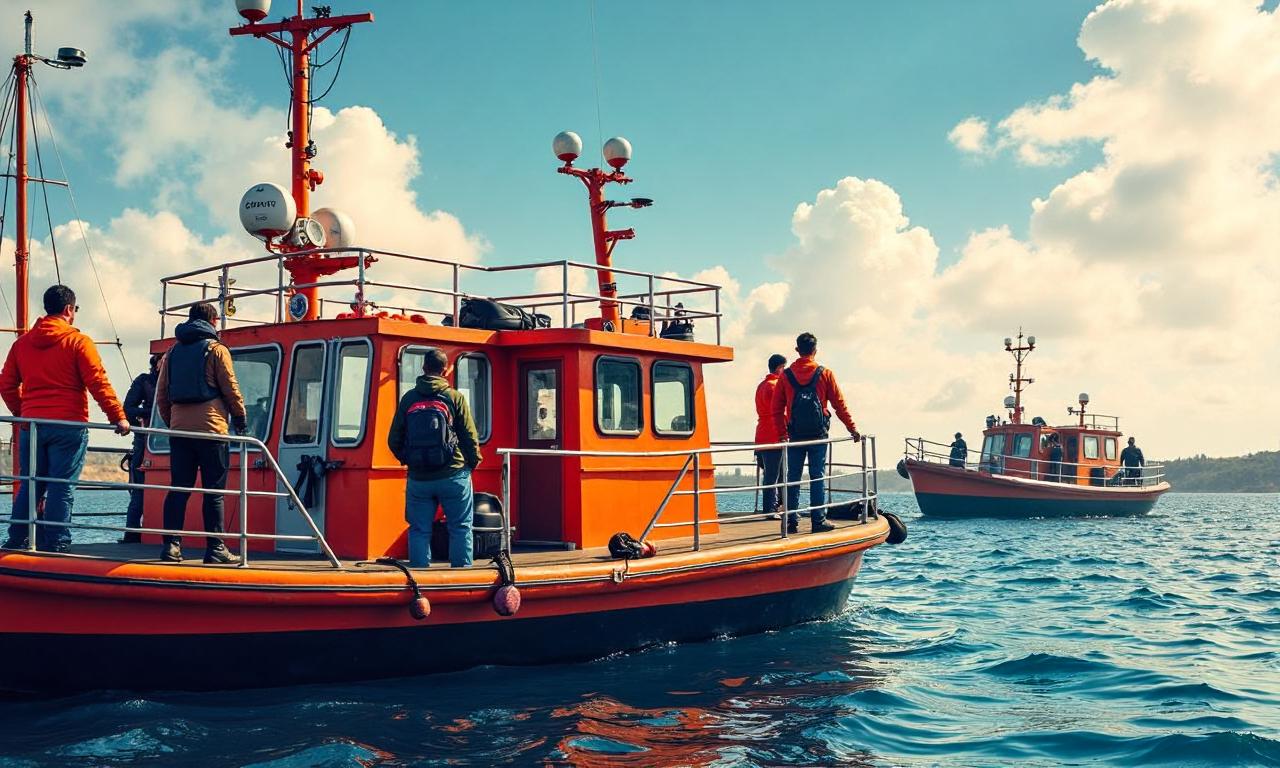
The GSF, which involved over 422 participants, set sail from Turkey last Thursday, carrying a symbolic amount of aid to emphasize the broader goal of humanitarian relief. Israeli authorities claimed the operation was a “PR stunt” aimed at supporting Hamas, the Palestinian militant group. Commandos boarded the boats west of Cyprus on Monday and Tuesday, intercepting the fleet and detaining its members. The activists were then transferred to Israeli vessels and taken to a detention facility in Ashdod, where they reportedly endured harsh treatment.
Among the detainees, Katy Davidson, a 49-year-old from Cornwall, described the conditions she faced. She stated that her belongings were discarded upon arrival, forcing her to wear a grey tracksuit. “These marks are from the handcuffs,” she said, recounting how Israeli officers tightened the restraints even after she requested relief. “They didn’t care about human rights or whether I lost my hand. When I finally got my hands through to adjust them, they tightened again and laughed.” Her testimony underscores the emotional and physical toll of the detention.
Allegations of Systematic Abuse
Participants in the flotilla claimed to have witnessed “systematic torture and abuse” over the course of two days. Hannah Schafer, a 62-year-old sailing instructor, described the experience as a “humanitarian corridor” opening to Gaza, but added that members were taken onto “two prison ships” for interrogation. “They were subjected to relentless mistreatment,” Schafer said, emphasizing the goal of the mission as a collective effort to highlight the plight of Palestinians.
Dáša Raimanová, a 44-year-old documentary filmmaker, shared her own harrowing experience. She recalled moments when she feared she might never see her daughter again, though she noted that her ordeal was “nothing compared to the people of Palestine.” Her perspective adds a personal dimension to the activists’ claims, framing the event as a critical step in raising awareness about the ongoing crisis in Gaza.
Elliott Roberts, a 34-year-old resident of Lincoln and Torquay, recounted being attacked by Israeli soldiers as soon as he stepped off the vessel. “They lifted me up, turned me over, and smashed me into the ground,” he said, describing the injury he believes left him with a broken spine. Roberts also alleged that he was denied immediate medical care, which he claims exacerbated his condition. These accounts, while conflicting with official Israeli statements, provide a vivid portrayal of the activists’ suffering.
Israeli Defense Force’s Response
Israeli authorities have consistently denied allegations of serious abuse against the flotilla participants. In a statement, the Israel Defense Forces (IDF) emphasized that their orders mandate “respectful and appropriate treatment” of individuals on intercepted vessels. They further stated that established procedures ensure detainees are handled in accordance with international standards. “No specific incidents of deviation from these procedures are known within the IDF,” the statement claimed, adding that any complaints would be thoroughly examined.
Despite these assertions, the activists’ testimonies paint a starkly different picture. The flotilla’s organizers alleged at least 15 cases of sexual assaults, while others reported being beaten and mistreated. The BBC has attempted to verify these claims but stated that it has not found conclusive evidence to support them. The Israeli prison service has also dismissed the allegations as false, asserting that all detainees were treated “in accordance with the law.”
The conflict between the activists’ firsthand accounts and Israeli official statements has fueled debate over the humanitarian efforts of the GSF. While the flotilla aimed to break the blockade and deliver aid, it also served as a platform for activists to challenge Israel’s policies and draw global attention to the situation in Gaza. The mission’s symbolic significance is underscored by the organizers’ insistence that it represented the power of civil society to act when governments fail to address large-scale crises.
As the activists prepare to share their stories with UK audiences, their return marks the end of a journey that has sparked international discourse. The incident raises questions about the treatment of detainees and the broader implications of Israel’s maritime blockade. While the Israeli government maintains its stance, the testimonies of those on board continue to highlight the human cost of the conflict. The BBC’s coverage of the event has played a pivotal role in amplifying these voices, ensuring that the experiences of the flotilla participants remain at the forefront of public awareness.
For many involved in the mission, the ordeal was a defining moment that reinforced their commitment to the cause. Katy Davidson, despite her injuries, described the experience as a necessary sacrifice. “We were determined to make a difference, even if it meant enduring hardship,” she said. The GSF’s organizers have vowed to continue their efforts, emphasizing that the mission was not merely about delivering supplies but about demonstrating the resilience of those advocating for Gaza’s people.
As the UK welcomes the activists, their accounts serve as a reminder of the complex realities faced by those challenging Israel’s policies. The debate over the flotilla’s impact and the treatment of its members is far from settled, with both sides presenting compelling arguments. The event has become a focal point for discussions on humanitarian intervention, human rights, and the role of international solidarity in addressing crises. The BBC’s role in documenting these testimonies ensures that the story remains accessible to a global audience, even as the details of the incident continue to evolve.
With the seven activists now in the UK, the focus shifts to their recovery and the broader implications of their detention. Their experiences have not only shaped their personal narratives but also highlighted the international dimension of the conflict. The GSF, though a small group, has become a symbol of resistance and hope, illustrating the enduring spirit of those committed to supporting Gaza. As the story unfolds, the balance between accountability and denial remains a central issue in the ongoing dialogue about the mission and its aftermath.