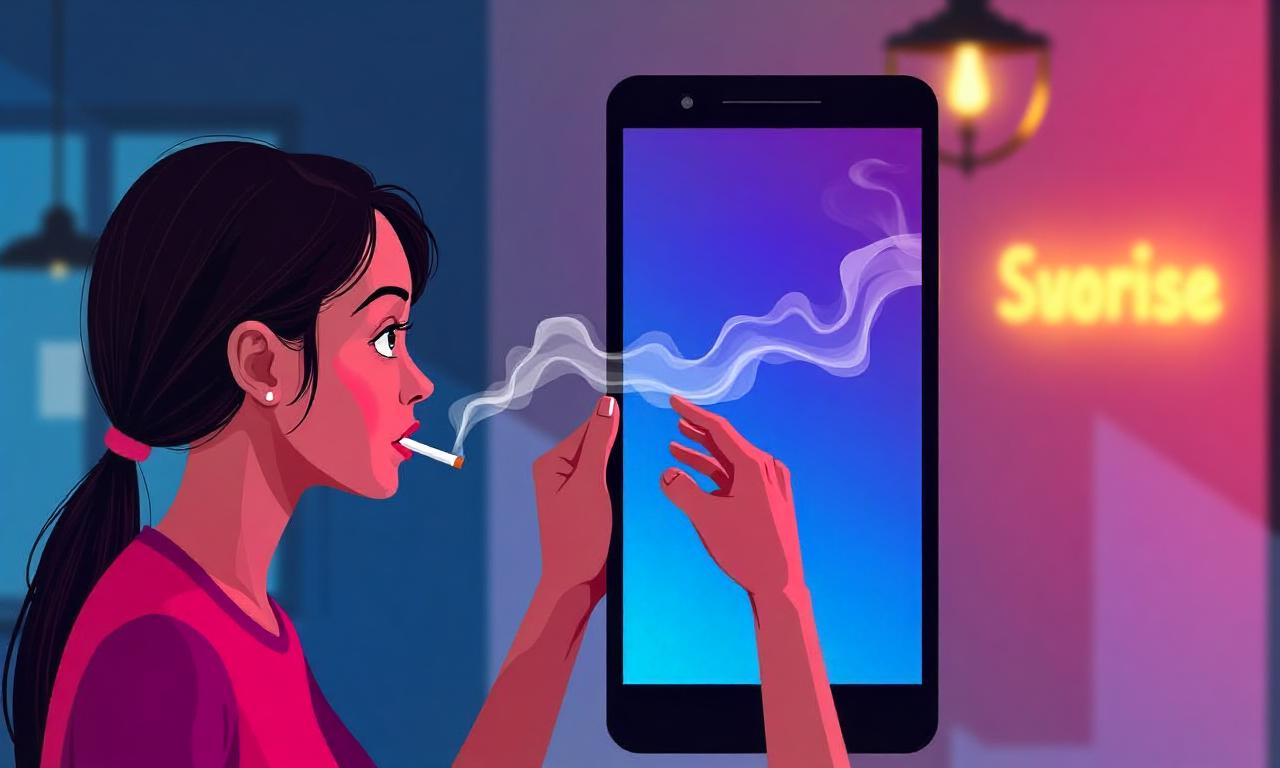
Social Media Risks Match Smoking for Young People, Doctors Warn
Samael.lol – The UK’s leading medical professionals have raised alarms, stating that social media platforms pose health risks comparable to smoking for children and adolescents. In a recent submission to a government review on social media use by those under 16, the Academy of Medical Royal Colleges emphasized the need for routine inquiries about screen time and online activity during medical consultations. This recommendation underscores growing concerns about the impact of digital engagement on physical and mental well-being, particularly among younger generations.
Government Consultation on Social Media Use
As part of an ongoing review, the UK government has been evaluating potential measures to enhance online safety for children. Technology Secretary Liz Kendall confirmed that new regulations targeting under-16s will be implemented by year’s end, following the conclusion of the consultation process. The review, which has gathered over 70,000 responses from charities, advocacy groups, and the public, is exploring options such as app curfews and stricter age verification systems. Kendall noted that the government aims to address a wide range of issues, including features like auto-play and infinite scroll, which could be restricted to limit exposure to harmful content.
While some stakeholders advocate for a complete ban on social media for children, others argue that such an approach may not be sufficient. Kendall stressed that the consultation would conclude at the end of the week, with the government committed to delivering a comprehensive response in the summer. “We’ve got to get this right, and we’ve got to make it last,” she added, highlighting the importance of long-term solutions.
Medical Experts Highlight Health Concerns
The Academy of Medical Royal Colleges has cited several examples of social media’s negative effects on health, including the exposure to extreme violence and the potential for addiction. These issues, they argue, are as pressing as the health risks associated with smoking. Consultant child psychiatrist Dr. Emily Sehmer, in a recent interview with BBC Breakfast, expressed her belief that the dangers of excessive social media use are “much, much worse” than those of smoking. She pointed out that harmful content can be accessed by children in just seconds, making the risks more immediate and severe.
“It’s getting younger and younger,” Sehmer said, stressing the urgency for health professionals to address social media habits in a non-judgmental manner. “This is a huge proportion of their life that we are missing,” she added, warning that without systematic monitoring, the full extent of the problem remains unknown. The Academy recommends that doctors and healthcare workers be equipped with guidelines to identify and assess the impact of unhealthy online behaviors, creating a more robust framework for intervention.
Debate Over Ban and Alternatives
The proposal to ban social media for under-16s has sparked a divide among campaigners. While some, including police leaders, support the idea, they argue that platforms failing to implement certain features should be restricted. Others, however, contend that a total ban may not be the most effective solution. For instance, reports from Australia indicate that children still manage to access websites that are supposed to be blocked for those under 16, raising questions about the enforceability of such measures.
Ellen Roome, a mother whose son Jools died at the age of 14 in 2022, is among the advocates pushing for stricter regulations. She plans to meet with Prime Minister Sir Keir Starmer to urge him to raise the minimum age for social media access. “Social media is a product, and like any other faulty product causing the deaths of children, it should be restricted until the companies responsible have fixed it and proven it is safe,” Roome said during the meeting. Her personal experience has fueled the argument that digital platforms need to be held to the same standards as traditional health risks.
Lord Nash, a former Conservative education minister, has called for the government to fulfill its promise to introduce age or functionality restrictions on social media. “The government gave a commitment to Parliament that they would take action,” he said, urging a swift and decisive response. His message aligns with the broader push from medical experts and families affected by online harms, emphasizing the need for immediate intervention.
Meanwhile, the consultation has also considered the role of AI chatbots in children’s lives. Some groups have called for stronger enforcement of age checks to ensure that younger users are not exposed to content or interactions that could be detrimental. This debate reflects the complexity of addressing social media’s impact, as it involves balancing safety with the benefits of digital connectivity.
Expanding the Scope of Regulation
Kendall hinted that the UK may look beyond the scope of Australia’s restrictions, which apply to platforms like TikTok and Instagram. The government is now considering other platforms, such as Roblox and Discord, which have gained popularity among younger users. This expansion aims to cover a wider range of online activities and features, ensuring that all potential risks are addressed.
The Academy of Medical Royal Colleges’ submission to the consultation has been instrumental in shaping the discussion. By recommending that healthcare professionals document the effects of social media, they hope to fill gaps in data that currently hinder comprehensive understanding. These recommendations could influence future policies, providing a clearer picture of the scale and nature of the problem.
As the consultation draws to a close, the government is expected to release its findings and decide on the most appropriate measures. The debate over social media’s impact on health continues to intensify, with stakeholders from various sectors contributing their perspectives. The final decision will likely hinge on the evidence gathered and the recommendations made by experts, including the medical community and families who have witnessed the consequences of unchecked digital use.
With the summer response anticipated, the focus will be on implementing changes that not only protect children but also ensure they can benefit from the opportunities social media offers. The challenge lies in crafting regulations that are effective yet adaptable to the rapidly evolving digital landscape. As the government moves forward, the voices of those directly affected by these issues will play a critical role in shaping the outcome.