US Launches Fresh Strikes on Iran, Targeting Strategic Sites
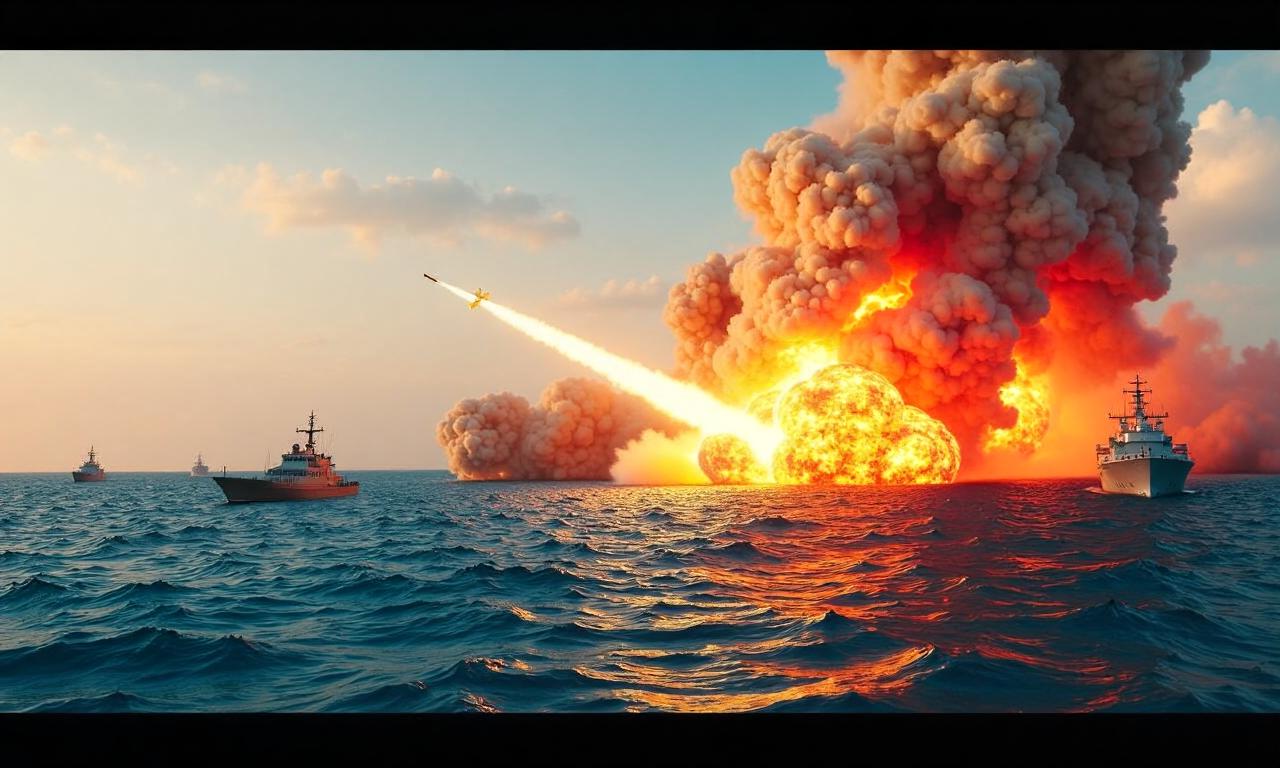
Samael.lol – The United States announced fresh military action against southern Iran, striking facilities linked to the country’s missile capabilities and vessels engaged in mine-laying operations. According to US Central Command, the attacks were conducted under the banner of “self-defense” to safeguard American personnel from escalating Iranian threats. The operation, carried out during an ongoing ceasefire, marks a renewed effort to assert control over critical maritime routes and disrupt Iran’s military infrastructure.
Strategic Focus on Bandar Abbas and the Strait of Hormuz
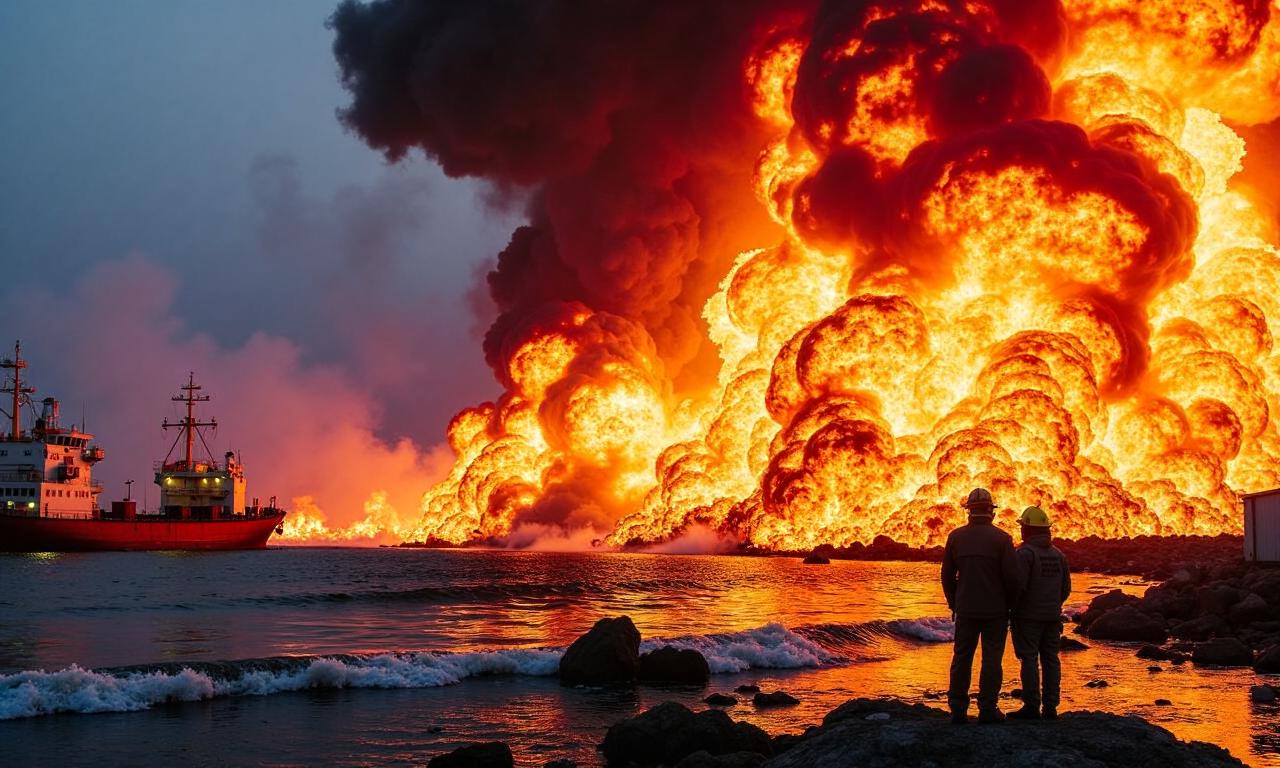
Captain Tim Hawkins, a Central Command spokesperson, confirmed that the strikes targeted a region near Bandar Abbas, a southern port city housing a key Iranian naval base. The area is strategically vital as it lies adjacent to the Strait of Hormuz, a narrow waterway that serves as a crucial artery for global oil trade. The New York Times reported that local officials in Bandar Abbas were investigating the explosions that followed the attack. While Iran has yet to formally respond, its foreign ministry expressed cautious optimism about ongoing peace talks, though the timeline for a finalized agreement remains uncertain.
Iranian Foreign Ministry spokesman Esmail Baqai noted that “significant progress” had been made in discussions aimed at ending the conflict, but he emphasized that a deal “is not imminent.” This statement suggests that while diplomatic efforts are underway, Iran remains hesitant to commit to immediate concessions. The strikes, which occurred during the ceasefire, have sparked speculation about their potential impact on the delicate negotiations between the two nations.
Escalating Tensions and the Role of the Ceasefire
US Secretary of State Marco Rubio, speaking during a visit to India, reiterated that a peace agreement remains achievable. He highlighted the complex negotiations taking place between Iran’s top diplomats and Qatar’s prime minister, suggesting that the talks would require careful maneuvering to align interests. “We’ll see if we can make progress,” Rubio stated, adding that “a lot of talking back and forth is happening about specific language in the initial document, so it’ll take a few days.” He also noted that President Donald Trump had “expressed his desire to make it,” framing the ceasefire as a potential bridge to resolution.
“He’s either going to make a good deal or no deal,” Rubio said, underscoring the high stakes of the current diplomatic phase. When pressed further about the strikes, he declared: “The straits have to be open. They’re going to be open one way or another, so they need to be open. What’s happening there is unlawful, it’s illegal, it’s unsustainable for the world, it’s unacceptable.”
The recent strikes come amid a broader geopolitical landscape where the US and Iran have been engaged in a tense standoff since early 2024. The conflict began on 28 February when US and Israeli forces launched coordinated attacks on Iran, targeting its nuclear facilities and military installations. This initial strike prompted Iran to retaliate by launching missile attacks at Israel and US-aligned Gulf states, effectively closing the Strait of Hormuz to commercial and military traffic. The closure sent global oil prices surging, highlighting the region’s economic significance.
Since 8 April, both nations have observed a ceasefire, though the terms of this truce have been tested by recent developments. The US Navy has sought to maintain a blockade on Iranian ports, while Iran has retained control of the Strait of Hormuz, a critical chokepoint for oil exports. The current strikes near Bandar Abbas appear to be a test of this ceasefire, with the US aiming to demonstrate its resolve to neutralize threats without fully breaking the fragile agreement.
Background of the Conflict and Key Issues at Stake
As the ceasefire continues, the memorandum of understanding under discussion includes a 60-day extension, the reopening of the Strait of Hormuz, and plans for further negotiations on Iran’s nuclear program. However, the recent strikes have raised concerns about the stability of this arrangement. US intelligence reports suggest that Iran’s Supreme Leader Mojtaba Khamenei, who was injured in an Israeli airstrike on the first day of the conflict—killing his father and predecessor—has been operating from an undisclosed location. This situation, according to US media, has complicated internal communications, slowing the pace of diplomatic talks.
Iran’s strategic position in the region has also been a focal point of the conflict. The country’s control over the Strait of Hormuz has been a recurring point of contention, with the US accusing Iran of using the waterway to hinder international shipping. The strikes near Bandar Abbas may be intended to pressure Iran into opening the strait, a move that could ease global supply concerns. Yet, the effectiveness of these actions remains unclear as the country continues to assert its sovereignty over the area.
Ongoing Negotiations and Future Challenges
The ceasefire has allowed both sides to focus on diplomatic channels, but several contentious issues persist. Among these are the details of Iran’s sanctions relief, the release of frozen funds, and the US demand for Iran to limit its nuclear ambitions. The current talks, which include Iran’s top negotiator and foreign minister, are expected to address these points, though a final resolution may take time. According to reports, the enriched uranium at the heart of the nuclear program remains a central concern.
At the start of the conflict, Iran was believed to have approximately 440kg of uranium enriched to 60% purity, a level close to weapons-grade enrichment (90%). This stockpile, which can be rapidly upgraded, has been a key leverage point in negotiations. On Monday night, Trump reiterated the US’s stance on the uranium, stating it would either be “immediately” transferred to American authorities or “preferably” destroyed in place with Iranian cooperation. This dual approach underscores the strategic importance of the material in both military and diplomatic contexts.
Despite the ceasefire, the recent strikes near Bandar Abbas signal that the conflict is far from over. The US’s decision to act may be seen as a demonstration of strength, but it also risks destabilizing the peace talks. While Rubio remains hopeful, Baqai’s caution suggests that the path to agreement is fraught with challenges. The outcome of these strikes could influence the trajectory of the ceasefire and the broader diplomatic process, with implications for regional security and global energy markets.
As the situation unfolds, the balance between military action and diplomatic engagement remains precarious. The US and Iran continue to navigate a complex web of interests, with the Strait of Hormuz and nuclear programs serving as central flashpoints. The coming days will be critical in determining whether these strikes will pave the way for a lasting peace or escalate tensions further.