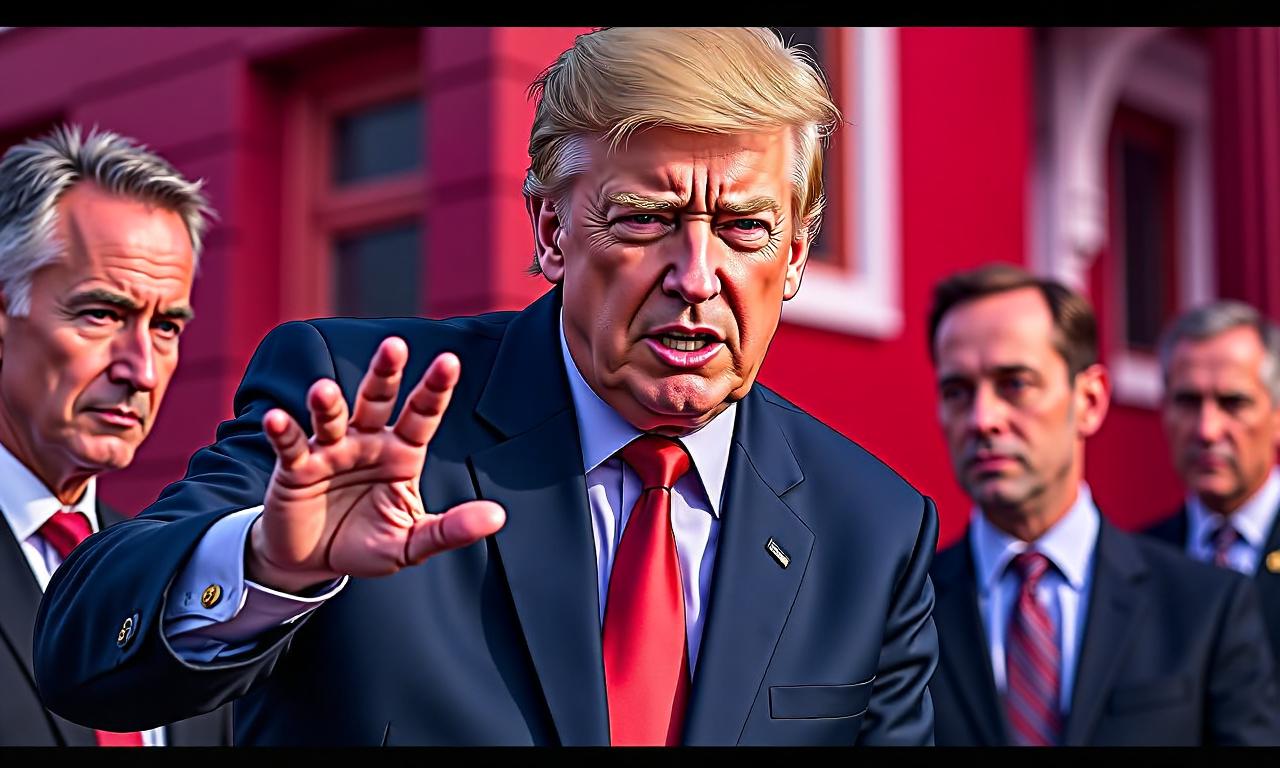
Starmer Declares Commitment to Labour Leadership Contest
Samael.lol – This weekend, Sir Keir Starmer made a decisive statement to his supporters, confirming his willingness to participate in any Labour leadership contest that may be initiated. While the prime minister and his allies had previously maintained a stance that they would not step down from the leadership if a contest emerged, uncertainty lingered about their actual course of action. However, the situation has shifted after Greater Manchester Mayor Andy Burnham announced his intention to enter a potential leadership race. According to the BBC, Starmer’s position has grown firmer, suggesting a stronger resolve to contest the leadership if necessary.
Starmer, who remains confident in his role as Labour leader, emphasized his belief that a leadership contest could lead to political instability. He pointed to his overwhelming majority in the last general election as a foundation for his current leadership, stating that he is determined to fulfill the mandate he received. The prime minister’s decision to stay in the race has intensified speculation about a potential leadership battle, with several high-profile figures, including former Health Secretary Wes Streeting and Burnham, positioning themselves as possible contenders.
Burnham’s Strategic Move
Burnham, who has long been seen as a frontrunner in leadership races, took a significant step this week by declaring his intent to run if a contest is triggered. During a discussion on the BBC’s Any Questions programme, he stated, “I think Wes Streeting seems to have launched a leadership contest, so if that is running, I would seek to join it. But I’d have to persuade members of the Parliamentary Labour Party to do the same.” This remark signals Burnham’s readiness to challenge Starmer, though he acknowledges the need for broader support within the party.
Burnham’s strategy hinges on securing a victory in the Makerfield by-election, scheduled for 18 June. Winning this contest would not only bolster his credibility as a leadership candidate but also provide a platform to rally support among Labour members. The by-election, a key test for the party’s current leadership, has become a focal point of political maneuvering. Streeting, who has also confirmed his intention to enter any leadership contest, has actively endorsed Burnham’s campaign, encouraging members to back him as he seeks a “proper contest with the best candidates on the field.”
The stakes have escalated following Labour’s poor performance in the recent elections. The party lost control of the Welsh Senedd and nearly 1,500 councillors across England, marking a historic setback. In the aftermath, several junior ministers, including Streeting, resigned from the government, signaling growing dissatisfaction with Starmer’s leadership. This has created an environment ripe for internal competition, with Burnham emerging as a central figure in the potential race.
Starmer’s Resilience and the Political Landscape
Despite the mounting pressure, Starmer has remained steadfast in his commitment to lead. His decision to stay in the race reflects both personal conviction and a strategic calculation about the risks of stepping down. The prime minister’s ability to retain control of the party’s machinery, including its membership and decision-making processes, gives him a structural advantage in any contest. However, the challenge lies in maintaining unity within the party, which has grown increasingly divided over recent months.
Labour MPs have been vocal in their calls for Starmer to resign, with some arguing that his leadership has contributed to the party’s electoral woes. The debate over who should succeed Starmer has intensified, particularly as Burnham’s campaign gains momentum. His focus on the Makerfield by-election underscores the importance of local and regional support in shaping the leadership race. If Burnham secures a win, it could serve as a catalyst for a broader contest, with Starmer facing a formidable challenge from multiple fronts.
The political implications of a leadership contest are far-reaching. For Starmer, it represents a test of his ability to unify the party and maintain his authority. For Burnham, it offers an opportunity to reassert his influence and position himself as a viable alternative. Meanwhile, Streeting’s involvement adds another layer of complexity, as his departure from the government could influence the dynamics of the race. The outcome of the Makerfield by-election will likely determine the trajectory of the contest, with Burnham’s victory seen as a prerequisite for his candidacy.
Looking Ahead: A Contested Future
As the Labour Party navigates this critical juncture, the path forward remains uncertain. Starmer’s decision to contest the leadership, combined with Burnham’s and Streeting’s readiness to challenge him, has set the stage for a potentially divisive race. The party’s membership, which holds the power to vote in the contest, will play a pivotal role in deciding the outcome. With multiple candidates vying for the leadership, the next few weeks will be crucial in determining which figures will dominate the debate.
The leadership contest is not just a matter of personal ambition but also a reflection of the broader political landscape. Labour’s recent losses have raised questions about its future direction, and the party is now looking to its leaders to chart a new course. Starmer’s resolve to fight suggests that he is prepared to defend his position, while Burnham’s calculated approach highlights his strategic mindset. Streeting’s endorsement of Burnham further indicates a shift in internal party dynamics, with some members favoring a more competitive leadership race.
As the Makerfield by-election approaches, the focus of Labour’s internal politics is shifting. The result will not only impact Burnham’s candidacy but also signal the party’s confidence in its leadership. If Burnham wins, he could emerge as the most likely challenger to Starmer, potentially reshaping the party’s strategy for the future. Meanwhile, Starmer’s determination to stay in the race has increased the likelihood of a full-blown leadership contest, which could have lasting effects on Labour’s stability and prospects.
Ultimately, the decision to contest or resign will depend on how the party members and MPs respond to the leadership challenge. The next phase of the campaign will be defined by the balance of power within Labour, as well as the broader political climate. With the Makerfield by-election as a critical turning point, the party faces a pivotal moment that could either solidify its leadership or spark a major upheaval. The coming weeks will be decisive in determining the future of Labour and its ability to recover from recent setbacks.
A full list of the candidates for the Makerfield by-election can be found here. As the race intensifies, all eyes will be on the results, which could shape the future of the Labour Party and its leadership for years to come.